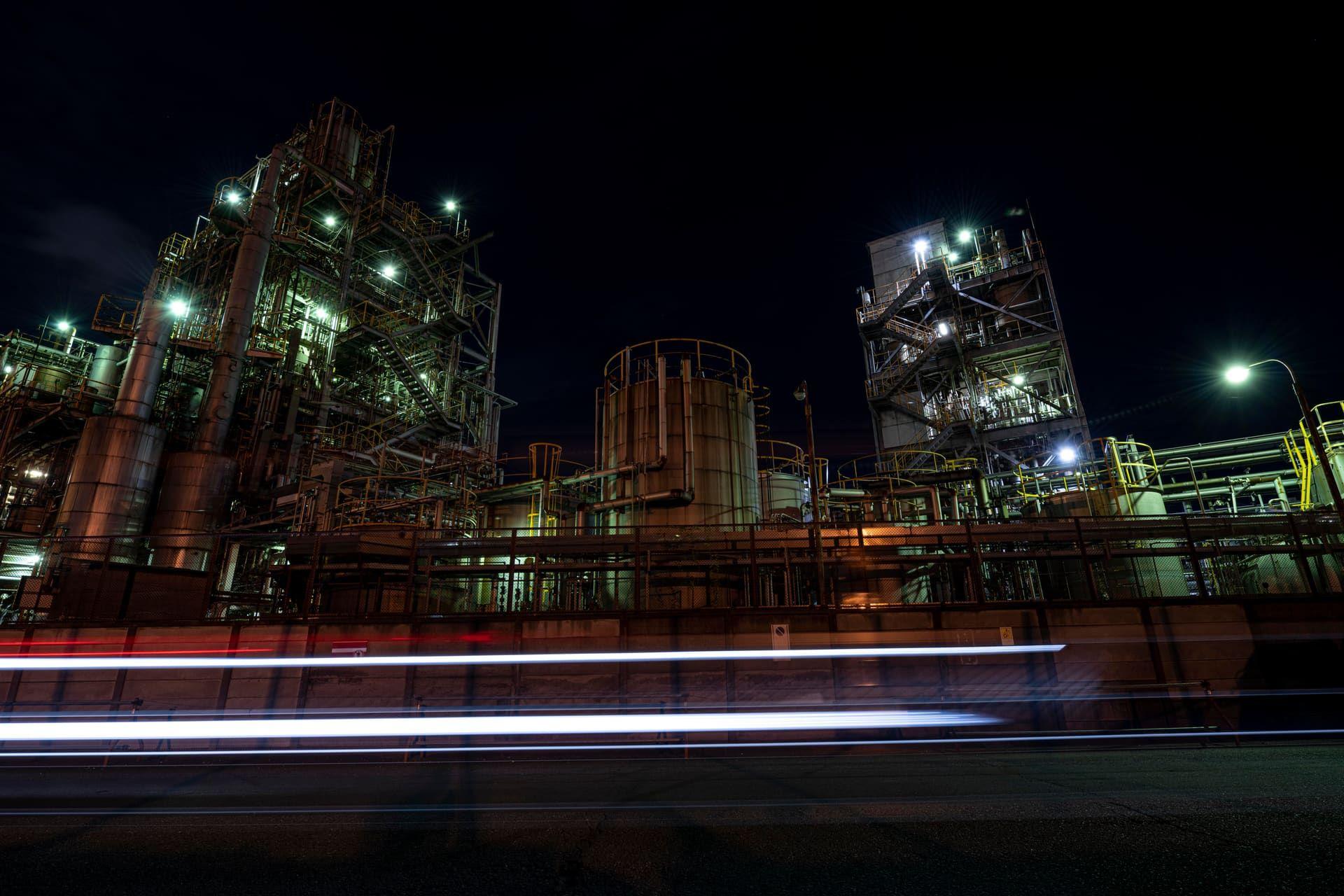
Rosemary Extraction Plant
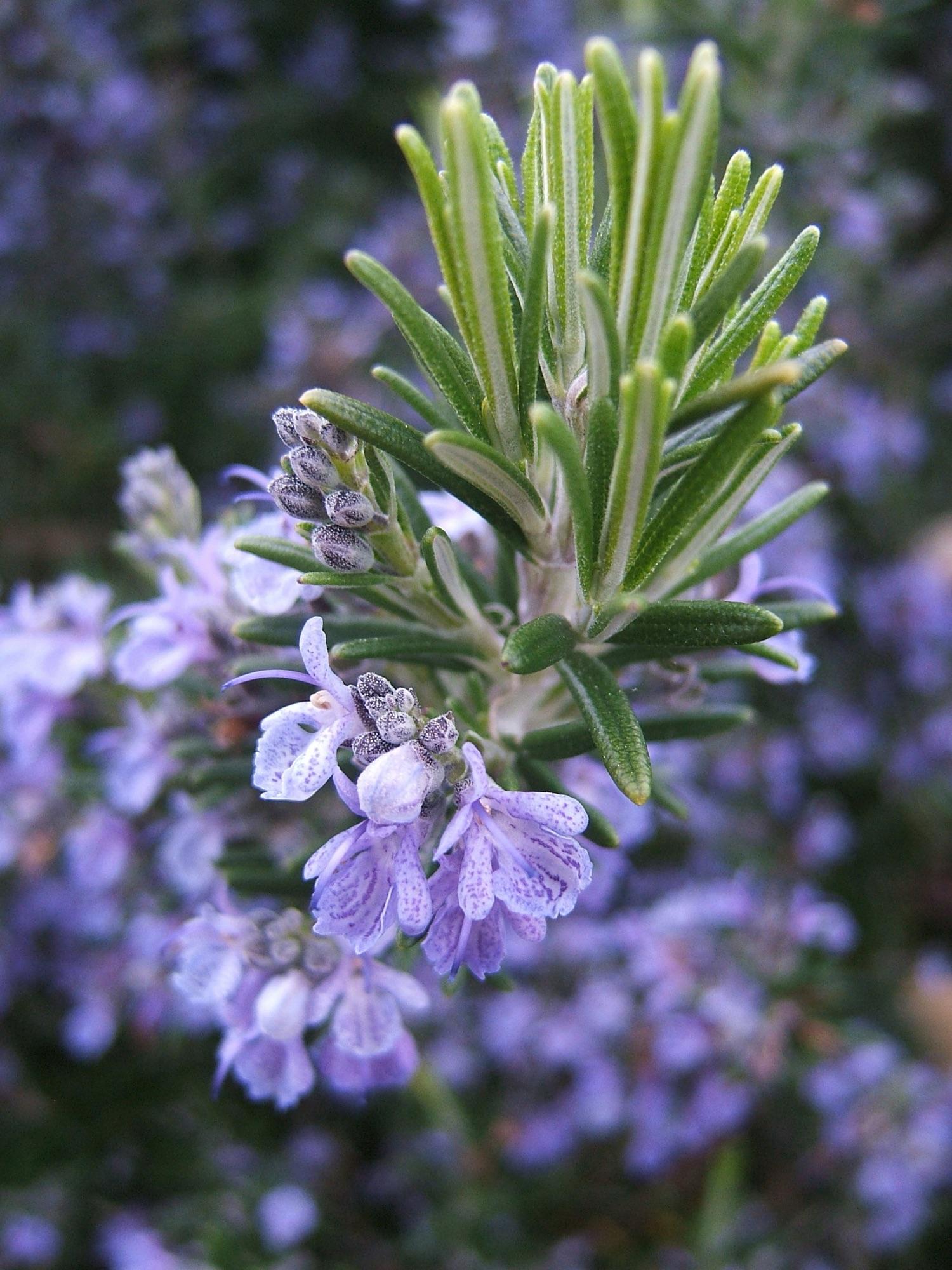
Rosemary Extraction Plant
Mechotech designs and manufactures turnkey plants for rosemary (Rosmarinus officinalis, syn. Salvia rosmarinus), engineered and built at our Hyderabad, India works. The catalogue lists two different rosemary routes: essential oil by distillation, and a carnosic-acid antioxidant extract by solvent or CO2 extraction, which is a separate product for a separate market. The exact plant type (essential oil distillation, carnosic-acid antioxidant extract or a CO2 route) is confirmed in engineering review of the customer's target product, and this page is a route guide, not a single standard rosemary plant.
Rosemary is processed to two quite different products, so the equipment differs. An oil plant is built around an SS 316L still, a multi-tube condenser with chilled-water circulation, a Florentine flask, polish filtration and an oil drying unit. An antioxidant-extract plant uses closed jacketed extractors or a supercritical CO2 unit, filtration, a low-temperature vacuum evaporator under nitrogen blanketing with solvent recovery, HPLC standardisation and protected drying. The design is GMP-oriented and hygienic, with documentation to support the customer's own qualification. Final configuration depends on raw material, process requirement, capacity and engineering review, and the plant type is confirmed in that review.
Technical Specifications
| Plant Type | Confirmed in engineering review of the customer's target product: essential oil distillation, carnosic-acid antioxidant extract or CO2 route |
|---|---|
| Raw Material | Rosemary (Rosmarinus officinalis, syn. Salvia rosmarinus); the oil page lists leaves, flowers and buds, the extract page lists dried leaf; fresh or dried form confirmed with the client |
| Essential Oil Route | Steam, hydro, vacuum or pressure distillation; marker compound 1,8-cineole |
| Oil Catalogue Figure | The Sureka Life Sciences catalogue offers rosemary oil at 15-53% 1,8-cineole, a wide range and not a delivered specification |
| Antioxidant Extract Route | Solvent (ethanol / hexane-class) or supercritical CO2 extraction; the product page lists 6% to 15% Carnosic Acid by HPLC as a configurable range |
| Candidate Technologies (Extract) | Counter-current, supercritical CO2, ultrasound-assisted and microwave-assisted extraction (4 screened on the product page) |
| Oxidation Control (Extract) | Moderated temperature, nitrogen-blanketed low-temperature vacuum concentration and oxidation-protected drying |
| Oil Train | SS 316L still, multi-tube condenser, stainless-steel Florentine flask, polish filtration, drying over anhydrous sodium sulphate or by vacuum |
| Extract Train | Plate-and-frame filter press, falling-film / vacuum evaporator with closed-loop solvent recovery, vacuum tray dryer or spray dryer |
| Product-contact Material | SS 316L, CIP-cleanable |
| Plant Capacity | Configured to requirement |
Manufacturing Process
Engineering Review & Route Confirmation
Your target product (oil, antioxidant extract or CO2 extract), rosemary form and specification are reviewed first, because the plant type is confirmed there rather than assumed.
Raw Material Preparation
Rosemary herb is cleaned and sorted, and size-reduced where required, so the charge packs evenly or exposes the leaf's diterpene-bearing tissue. Fresh or dried form and particle size are set during process development.
Oil Route: Charging & Distillation
The charge is loaded into the SS 316L still and distilled by steam, hydro, vacuum or pressure distillation, selected during process development for the volatility and heat-sensitivity of the target oil.
Oil Route: Condensation, Separation & Polishing
Vapours are condensed in a multi-tube condenser; the oil is collected in a Florentine flask and the hydrosol can be recovered as a co-product. The crude oil is polish-filtered and dried.
Oil Route: Quality Control
Each batch is sampled for GC-MS profile and physical parameters (specific gravity, refractive index, optical rotation) against the client's specification.
Extract Route: Solvent or CO2 Extraction
Milled leaf is extracted in closed jacketed SS 316L extractors, or in a pressure-rated vessel for CO2, at moderated temperature, since carnosic acid oxidises to carnosol on exposure to heat and air.
Extract Route: Filtration & Nitrogen-Blanketed Concentration
The extract is clarified through a filter press and cartridge polish filters, then concentrated in a low-temperature vacuum evaporator under nitrogen blanketing, with solvent recovered in a closed loop.
Extract Route: HPLC Standardisation & Protected Drying
The concentrate is assayed by HPLC for carnosic acid, adjusted to the declared specification and dried under oxidation-protected handling before release testing.
Major Plant Equipment
- Herb cleaning and size-reduction system
- Perforated basket or false-bottom charge support (oil route)
- SS 316L distillation still (oil route)
- Multi-tube condenser with chilled-water circulation
- Stainless-steel Florentine flask (oil-water separator)
- Polish filtration and oil drying unit
- Stainless-steel jacketed solvent extraction vessels or supercritical CO2 extraction unit (extract route)
- Plate-and-frame filter press and cartridge polish filters
- Nitrogen blanketing system
- Falling-film / low-temperature vacuum evaporator with closed-loop solvent recovery
- Vacuum tray dryer / spray dryer
- CIP (clean-in-place) system
- PLC-based automation and instrumentation
Plant Output
Applications
- Hair and scalp-care products (essential oil)
- Skin-care products and aromatherapy applications (essential oil)
- Muscle and pain-relief products (essential oil)
- Hair and skin-hydration products from the hydrosol
- Natural food-preservative applications (antioxidant extract)
- Cosmetic and personal-care antioxidant actives (antioxidant extract)
- Nutraceutical and functional food and beverage formulations (antioxidant extract)
Key Features
Two Routes Kept Distinct
Rosemary essential oil targets the volatile terpene fraction by distillation. The antioxidant extract targets the polar diterpene-acid fraction by solvent or CO2 extraction. They are different products and different plants.
Plant Type Confirmed in Engineering Review
We do not assume a standard rosemary plant. The route is confirmed against your target product, raw material and specification before configuration.
Oxidation-Controlled Extract Processing
On the antioxidant route, extraction, concentration and drying run at moderated temperature with nitrogen blanketing to protect carnosic acid.
Hydrosol Recovery on the Oil Route
Integrated oil-water separation lets the aromatic hydrosol be drawn off and recovered as a co-product.
SS 316L and CIP
SS 316L product-contact surfaces with CIP capability between batches, designed for hygienic operation with documentation to support the customer's qualification.
Frequently Asked Questions
Which rosemary plant do I need?
How are rosemary oil and rosemary antioxidant extract different?
Why is the plant type for rosemary not listed as a fixed configuration?
What rosemary raw-material details do you need?
Can carnosic acid be extracted with CO2 instead of solvent?
Can I trial my rosemary before deciding on a plant?
What is the turnkey scope for a rosemary plant?
What should I send to request a rosemary plant quote?
Project Enquiry Pages
Country pages that include this equipment among their project areas:
Ready to discuss your project?
Get a free quote and technical consultation from our engineering team.