Activated Carbon Purification System
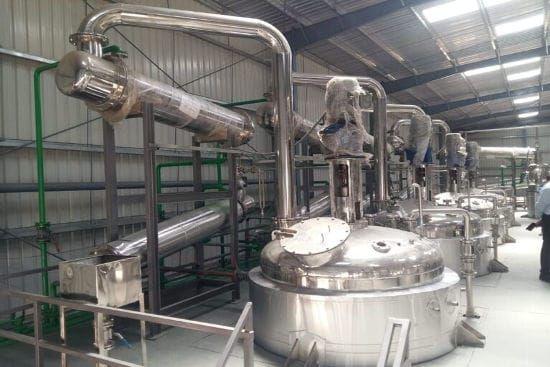
Activated Carbon Purification System
Activated carbon purification is an adsorption-based technique that removes color bodies, odor, trace organic impurities and dissolved contaminants from liquids by contacting them with the highly porous surface of activated carbon. The enormous internal surface area of activated carbon attracts and holds unwanted molecules, clarifying and decolorizing the process stream while leaving the target product in solution. It is one of the most widely used polishing and purification steps in pharmaceutical, fine-chemical, food, beverage and water processing because it is simple, effective and gentle on the product. Mechotech engineers turnkey activated carbon purification systems designed around each stream's impurity profile and purity target.
An activated carbon purification system works by passing the liquid either through a fixed carbon bed or by dosing powdered activated carbon into a stirred vessel, allowing adsorption of impurities onto the carbon surface, followed by filtration to separate the spent carbon from the purified product. Adsorption efficiency is governed by contact time, temperature, carbon type and dosage, all of which are tuned to the specific contaminants being removed. The result is a clarified, decolorized and deodorized stream with strong impurity removal, consistent quality and minimal product loss. Mechotech fabricates the contact vessels, carbon columns, agitation and filtration circuits in SS 304 with product-contact SS 316L to hygienic, GMP-oriented standards, with PLC/SCADA control of dosing, temperature and filtration. Capacity, treatment mode and construction are configured to the specific product and process requirement.
Technical Specifications
| Technology | Activated carbon purification / adsorption-based liquid treatment |
|---|---|
| Working Principle | Impurities, color and odor adsorb onto the porous surface of activated carbon and are then removed by filtration |
| Treatment Modes | Powdered-carbon batch contact and granular fixed-bed columns (configurable) |
| Operating Temperature | Configured to the stream and adsorption requirement |
| Contact Time | Configurable to impurity load and purity target |
| Product-contact Material | SS 304 / SS 316L |
| Filtration | Sparkler / cartridge / pressure filtration with fines polishing |
| Automation | PLC/SCADA (configurable) with recipe management and batch data logging |
| Capacity | Configured to requirement - pilot to commercial |
| Utilities | Steam / thermic fluid or electric heating, cooling water, vacuum, power, compressed air |
| Compliance | GMP / cGMP hygienic design |
| Final Output | Clarified, decolorized and deodorized purified liquid with spent carbon separated |
Manufacturing Process
Feed conditioning
The liquid stream is brought to the correct temperature and concentration for effective adsorption. Warming the feed within safe limits improves diffusion of impurities to the carbon surface.
Carbon selection & dosing
A powdered or granular activated carbon grade is chosen and dosed to match the impurity load. Grade and dosage are set by the color, odor or trace organics that must be removed.
Contact & adsorption
The liquid contacts the carbon in a stirred vessel or fixed bed for a controlled residence time. Impurities diffuse into the carbon pores and are held on the internal surface.
Equilibration & hold
The batch is held under agitation or steady flow until adsorption approaches equilibrium. Adequate contact time ensures color and odor bodies are captured to the target level.
Carbon separation by filtration
The spent carbon is separated from the purified liquid using a sparkler, cartridge or pressure filter. Fine polishing filtration removes any carbon fines carried over.
Polishing & clarity check
The clarified filtrate is checked for color, clarity and residual impurities against specification. A second carbon pass is applied if a higher purity is required.
Purified product collection
The decolorized, deodorized liquid is routed to collection or the next process stage. The product is recovered with minimal loss to the carbon cake.
Spent carbon handling & cleanup
Spent carbon is discharged for disposal or regeneration and the system is CIP flushed. Clean changeover prepares the unit for the next batch.
Applications
- Decolorization of pharmaceutical solutions and intermediates
- Deodorization and clarification of food and beverage liquids
- Trace organic and impurity removal from fine chemicals
- Purification of sugar, glucose and sweetener syrups
- Edible oil and glycerine polishing
- Solvent and process-water clean-up
- Endotoxin and color-body reduction in API processing
- R&D, pilot studies and process scale-up
Key Features
Effective decolorization & deodorization
The high internal surface area of activated carbon adsorbs color bodies, odor compounds and trace organics, clarifying the stream while leaving the product in solution.
Flexible batch or fixed-bed operation
Powdered-carbon batch dosing or granular fixed-bed columns are configured to suit the impurity load, contact-time needs and throughput of each stream.
High purity with low product loss
Optimised carbon grade, dosage and contact time deliver strong impurity removal while thorough washing of the carbon cake keeps product recovery high.
Integrated adsorption & filtration
The contact stage is paired with sparkler, cartridge or pressure filtration so spent carbon and fines are cleanly separated from the purified liquid in one train.
Hygienic, GMP-oriented build
Product-contact parts in SS 316L with smooth finishes and CIP-friendly design support pharmaceutical, nutraceutical and food-grade production.
Full automation & data logging
PLC/SCADA control of dosing, temperature, contact time and filtration with recipe management and batch records ensures repeatable, traceable purification.
Frequently Asked Questions
What is activated carbon purification?
How does activated carbon purification work?
Where does activated carbon purification fit in a process line?
What are the benefits of activated carbon purification?
What capacity is available?
What material of construction and compliance does Mechotech use?
Does Mechotech provide turnkey design, manufacture, installation and commissioning?
Ready to discuss your project?
Get a free quote and technical consultation from our engineering team.