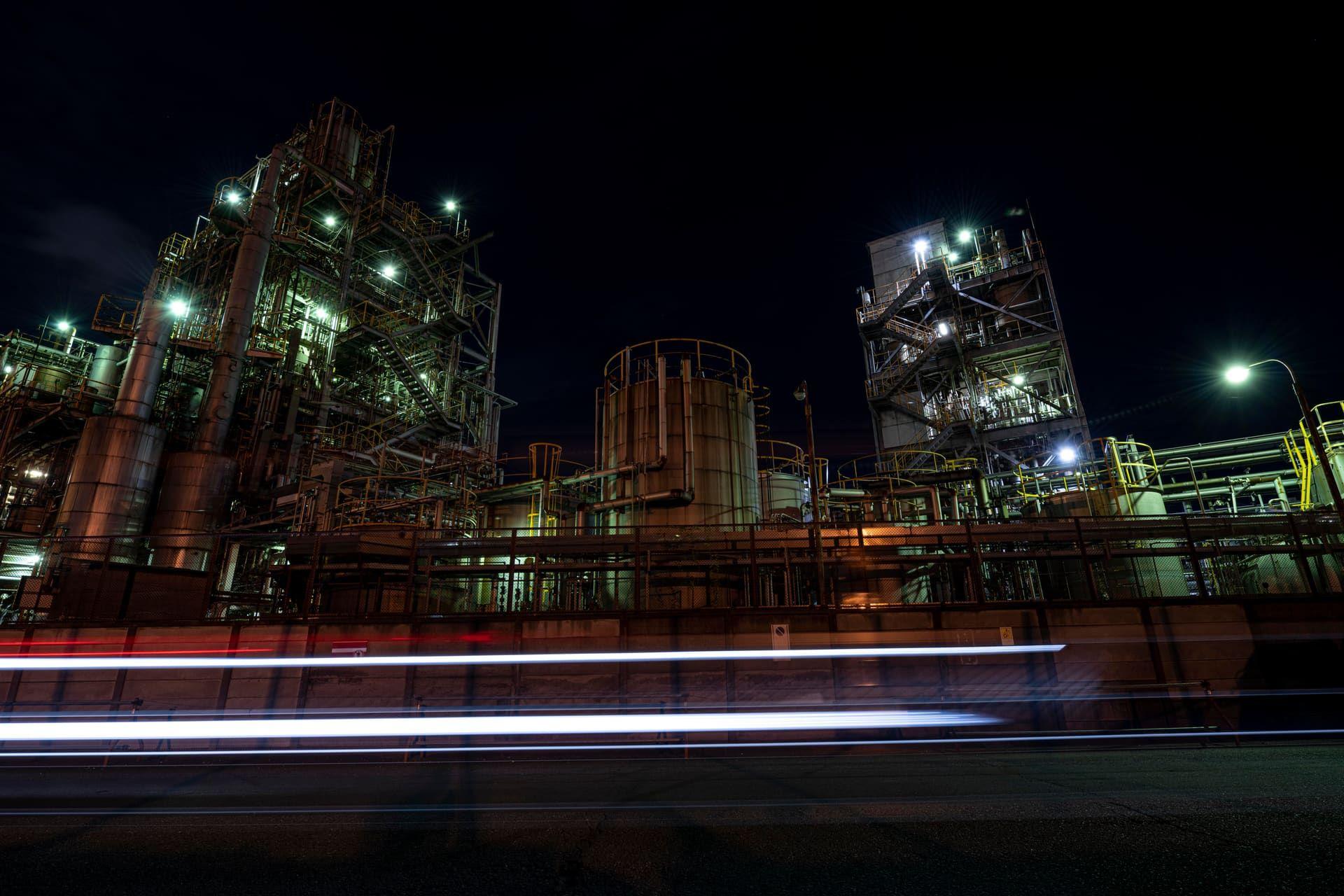
Subcritical Water Extraction (SWE) Plant
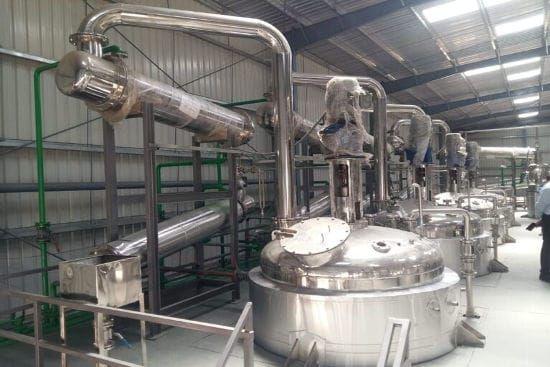
Subcritical Water Extraction (SWE) Plant
Subcritical Water Extraction (SWE), also known as pressurized hot water extraction, uses liquid water heated above its normal boiling point but held below its critical point, with sufficient pressure applied to keep it in the liquid state. In this range the dielectric constant of water falls sharply, so the medium behaves progressively like a mid-polarity organic solvent and dissolves a wide spectrum of phenolics, flavonoids, polysaccharides and aroma compounds from botanicals. Because water is the only solvent, the process is clean, non-flammable and free of residual solvent concerns. Mechotech engineers turnkey SWE systems tailored to each feedstock and target compound.
Subcritical Water Extraction works by tuning temperature (typically in the sub-critical band up to around 374 degrees C) and pressure so that ordinary water gains organic-like solvating power without vaporising. Raising temperature lowers water polarity, viscosity and surface tension while improving mass transfer, which delivers strong yields and adjustable selectivity by simply changing the operating temperature rather than switching solvents. The result is a green, low-cost process with an excellent thermal profile for heat-sensitive natural products and no organic-solvent recovery burden. Mechotech fabricates the extraction vessels, heat exchangers and high-pressure circuit in SS 304 and product-contact SS 316L to hygienic, GMP-oriented standards, with PLC/SCADA control of temperature, pressure and flow. Capacity is configured from pilot to commercial scale to suit each process requirement.
Technical Specifications
| Technology | Subcritical Water Extraction (SWE) / Pressurized Hot Water Extraction |
|---|---|
| Working Principle | Pressurized liquid water heated below its critical point; falling dielectric constant makes water act as a tunable organic-like solvent |
| Operating Temperature | Configurable within the subcritical range up to approx. 374 degrees C |
| Operating Pressure | Configurable, set to keep water liquid at the chosen temperature |
| Solvent | Water (deionised / process water); no organic solvents required |
| Operating Modes | Static soak and dynamic flow-through (configurable) |
| Product-contact Material | SS 304 / SS 316L |
| Automation | PLC/SCADA (configurable) with recipe management and batch data logging |
| Capacity | Configured to process requirement - pilot to commercial |
| Utilities | Steam / thermic fluid or electric heating, cooling water, chilled water, power, compressed air |
| Compliance | GMP / cGMP hygienic design |
| Final Output | Aqueous extract; optional concentrate or dried powder via downstream evaporation and drying |
Manufacturing Process
Feed preparation & loading
Milled or sized botanical material is loaded into the extraction vessel and the system is sealed. Correct particle size improves contact area and mass transfer during extraction.
Filling & pressurisation
Deionised or process water fills the vessel and a high-pressure pump raises system pressure. Pressure is set high enough to keep water liquid at the chosen operating temperature.
Heating to subcritical range
The water is heated through a heat exchanger or jacket into the subcritical band. As temperature rises the dielectric constant drops, turning water into a tunable, organic-like solvent.
Static or dynamic extraction
The hot pressurised water contacts the matrix in static soak or continuous flow-through mode. Target compounds dissolve into the water phase as mass transfer proceeds.
Cooling & pressure let-down
The loaded extract stream is cooled through a heat exchanger and the pressure is reduced in a controlled manner. Rapid, controlled cooling helps protect thermally sensitive actives.
Separation & collection
The aqueous extract is separated from spent solids and routed to collection. Fines are removed by filtration to yield a clean liquid extract.
Concentration & drying
The clarified extract can be concentrated by evaporation and converted to powder by spray or freeze drying downstream. This delivers a shelf-stable finished extract.
Cleaning & batch turnaround
Water flushing and CIP prepare the system for the next batch. Because only water is used, changeover and cleaning are simplified.
Applications
- Nutraceutical and dietary-supplement actives
- Phytochemicals such as polyphenols, flavonoids and antioxidants
- Essential oils, oleoresins and natural aroma compounds
- Pharmaceutical botanical actives and standardised extracts
- Food, beverage and natural flavour ingredients
- Pectin, polysaccharides and functional carbohydrates
- Cosmetic and personal-care botanical extracts
- R&D, pilot studies and process scale-up
Key Features
Green, solvent-free process
Water is the only solvent, eliminating flammable organic solvents, residual-solvent testing and solvent-recovery costs for a cleaner, safer plant.
Tunable selectivity by temperature
Lowering the dielectric constant of water with temperature lets a single medium target different compound classes, so selectivity is adjusted without changing solvents.
High yield and fast mass transfer
Reduced viscosity and surface tension of subcritical water improve penetration into the matrix, giving strong yields in shorter extraction times.
Controlled thermal profile
Integrated heat exchangers and rapid, regulated cooling help protect heat-sensitive natural products while still exploiting elevated-temperature kinetics.
Hygienic, GMP-oriented build
Product-contact parts in SS 316L with smooth finishes and CIP-friendly design support pharmaceutical, nutraceutical and food-grade production.
Full automation & data logging
PLC/SCADA control of temperature, pressure and flow with recipe management and batch records ensures repeatable, traceable operation.
Frequently Asked Questions
What is Subcritical Water Extraction (SWE)?
How does subcritical water extraction work?
What are the advantages of SWE compared with conventional solvent extraction?
What can a subcritical water extraction plant process?
What capacity is available?
What material of construction and compliance does Mechotech use?
Does Mechotech provide turnkey design, manufacture, installation and commissioning?
Ready to discuss your project?
Get a free quote and technical consultation from our engineering team.