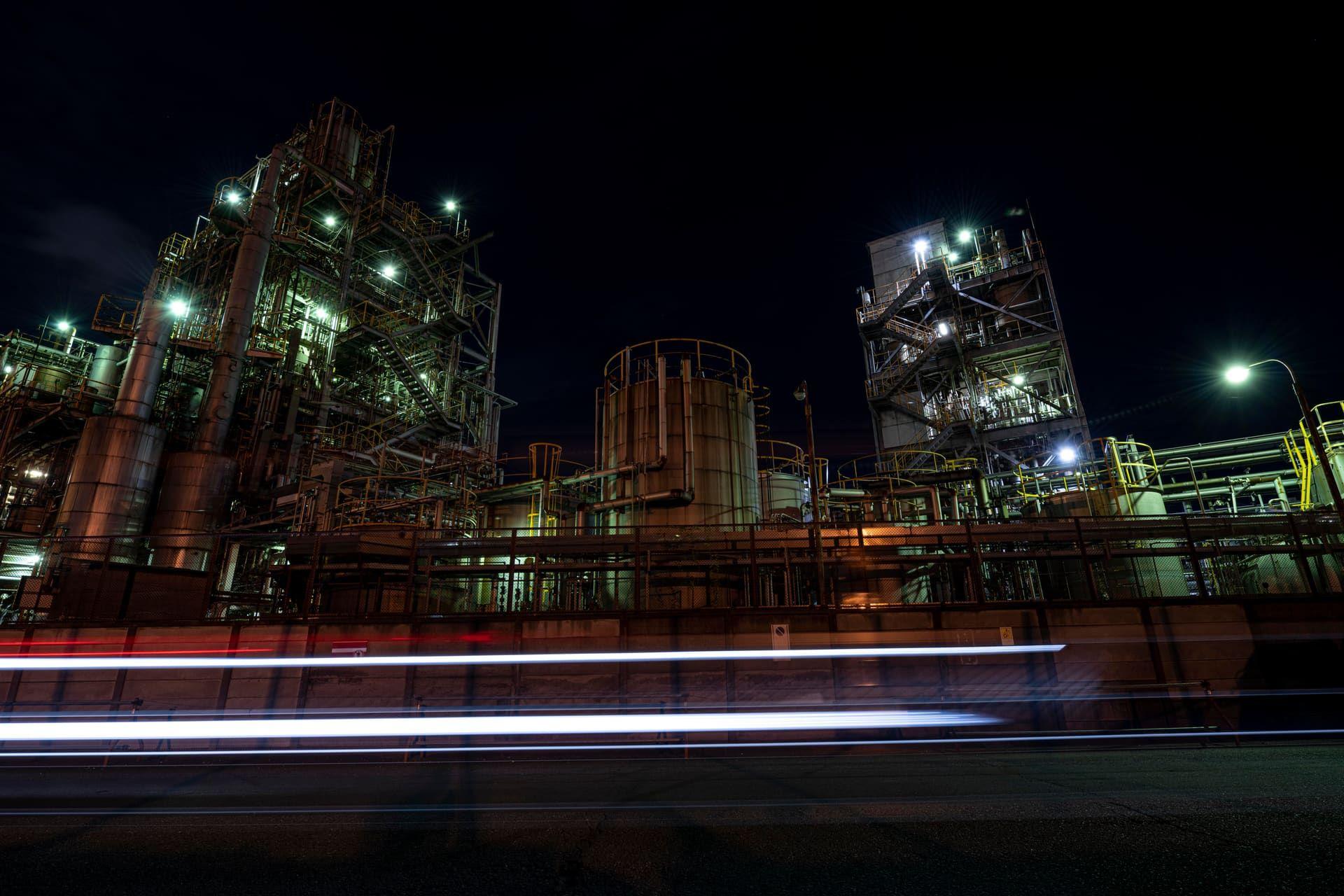
Pressurized Liquid Extraction Plant
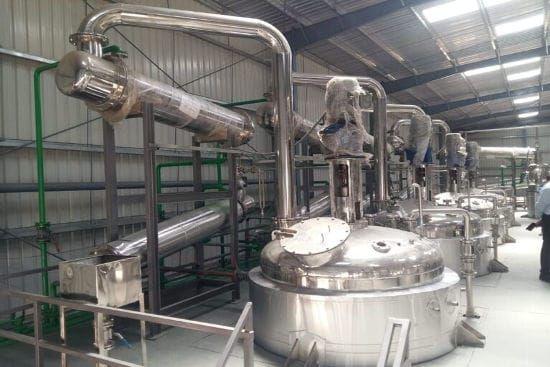
Pressurized Liquid Extraction Plant
Pressurized Liquid Extraction (PLE), also known as accelerated solvent extraction, uses common liquid solvents at elevated temperature under enough pressure to keep them liquid well above their normal boiling points. The combination of heat and pressure dramatically speeds up mass transfer, dissolves target compounds faster and uses far less solvent than conventional soaking or reflux methods. It works with water, ethanol, methanol, hydro-alcoholic blends and other food- or pharma-grade solvents, and suits a wide range of botanicals and process residues. Mechotech engineers turnkey PLE systems configured to each feedstock, solvent and target compound.
Pressurized Liquid Extraction works by holding a solvent above its atmospheric boiling point while pressure keeps it in the liquid phase. Higher temperature lowers solvent viscosity and surface tension and disrupts analyte-matrix interactions, so extraction is faster, yields improve and solvent consumption and cycle times fall sharply compared with maceration or Soxhlet. Selectivity can be adjusted by choosing the solvent, its polarity and the operating temperature, giving flexible control over which compounds are recovered. Mechotech fabricates the extraction cells, heaters, high-pressure pumps and solvent-handling circuit in SS 304 with product-contact SS 316L to hygienic, GMP-oriented standards, with integrated solvent recovery. PLC/SCADA automation manages temperature, pressure, flow and purge cycles, and capacity is configured from pilot to commercial scale.
Technical Specifications
| Technology | Pressurized Liquid Extraction (PLE) / Accelerated Solvent Extraction (ASE) |
|---|---|
| Working Principle | Liquid solvent held above its atmospheric boiling point under pressure to accelerate mass transfer and dissolution |
| Operating Temperature | Configurable elevated range above the chosen solvent's boiling point |
| Operating Pressure | Configurable, set to keep the solvent liquid at the operating temperature |
| Solvent | Water, ethanol, methanol, hydro-alcoholic and other process-grade solvents (as applicable) |
| Operating Modes | Static and dynamic flow-through (configurable) |
| Product-contact Material | SS 304 / SS 316L |
| Automation | PLC/SCADA (configurable) with recipe management, purge cycles and batch logging |
| Capacity | Configured to process requirement - pilot to commercial |
| Utilities | Steam / thermic fluid or electric heating, cooling water, nitrogen / inert gas, power, compressed air |
| Solvent Recovery | Integrated evaporation and recovery for solvent reuse (configurable) |
| Compliance | GMP / cGMP hygienic design |
| Final Output | Liquid extract; optional concentrate or dried powder via downstream recovery and drying |
Manufacturing Process
Feed loading
Sized botanical material is loaded into the extraction cell or vessel and sealed. Uniform particle size promotes even solvent penetration and consistent yield.
Solvent fill & pressurisation
The selected solvent is pumped into the cell and pressure is raised to keep it liquid at the target temperature. Pressure eliminates boiling and helps the solvent enter the matrix pores.
Heating
The cell is heated to the chosen operating temperature above the solvent's normal boiling point. Elevated temperature accelerates diffusion and weakens compound-matrix binding.
Static / dynamic extraction
The pressurised hot solvent contacts the matrix in a static hold or continuous flow-through mode. Target compounds dissolve rapidly into the solvent phase.
Extract flush & collection
Fresh solvent flushes the loaded extract from the cell into a collection vessel. A controlled rinse maximises recovery of dissolved actives.
Purge & depressurisation
An inert-gas or nitrogen purge clears residual solvent from the cell and the system is depressurised. This recovers solvent held in the spent solids and prepares for the next step.
Solvent recovery & concentration
The extract is routed to evaporation where solvent is recovered for reuse and the product is concentrated. Recovered solvent lowers operating cost and waste.
Finishing & drying
The concentrate can be dried to powder by spray or vacuum drying downstream. The system is then flushed and readied for the next batch.
Applications
- Nutraceutical and dietary-supplement actives
- Phytochemicals including polyphenols, alkaloids and flavonoids
- Essential oils, oleoresins and natural colours
- Pharmaceutical botanical actives and standardised extracts
- Food, beverage and natural flavour ingredients
- Cosmetic and personal-care botanical extracts
- Environmental and residue extraction from solids
- R&D, pilot studies and process scale-up
Key Features
Fast extraction, short cycles
Elevated temperature and pressure accelerate mass transfer, cutting extraction times sharply versus maceration, percolation or Soxhlet reflux.
Low solvent consumption
Efficient contact and flush recovery reduce solvent use per batch, and integrated recovery returns solvent for reuse to lower cost and waste.
Flexible solvent selectivity
Water, ethanol, methanol and hydro-alcoholic blends can be used and matched to the target, so polarity and temperature together tune what is extracted.
High and repeatable yields
Controlled pressure keeps solvent liquid and drives it into the matrix, delivering consistent, high recovery across batches.
Hygienic, GMP-oriented build
Product-contact parts in SS 316L with CIP-friendly, smooth-finish design support pharmaceutical, nutraceutical and food-grade production.
Full automation with safety interlocks
PLC/SCADA control of temperature, pressure, flow and purge, with interlocks suited to solvent handling, ensures safe, repeatable, traceable operation.
Frequently Asked Questions
What is Pressurized Liquid Extraction?
How does pressurized liquid extraction work?
What are the advantages of PLE compared with conventional extraction?
What can a pressurized liquid extraction plant process?
What capacity is available?
What material of construction and compliance does Mechotech use?
Does Mechotech provide turnkey design, manufacture, installation and commissioning?
Ready to discuss your project?
Get a free quote and technical consultation from our engineering team.