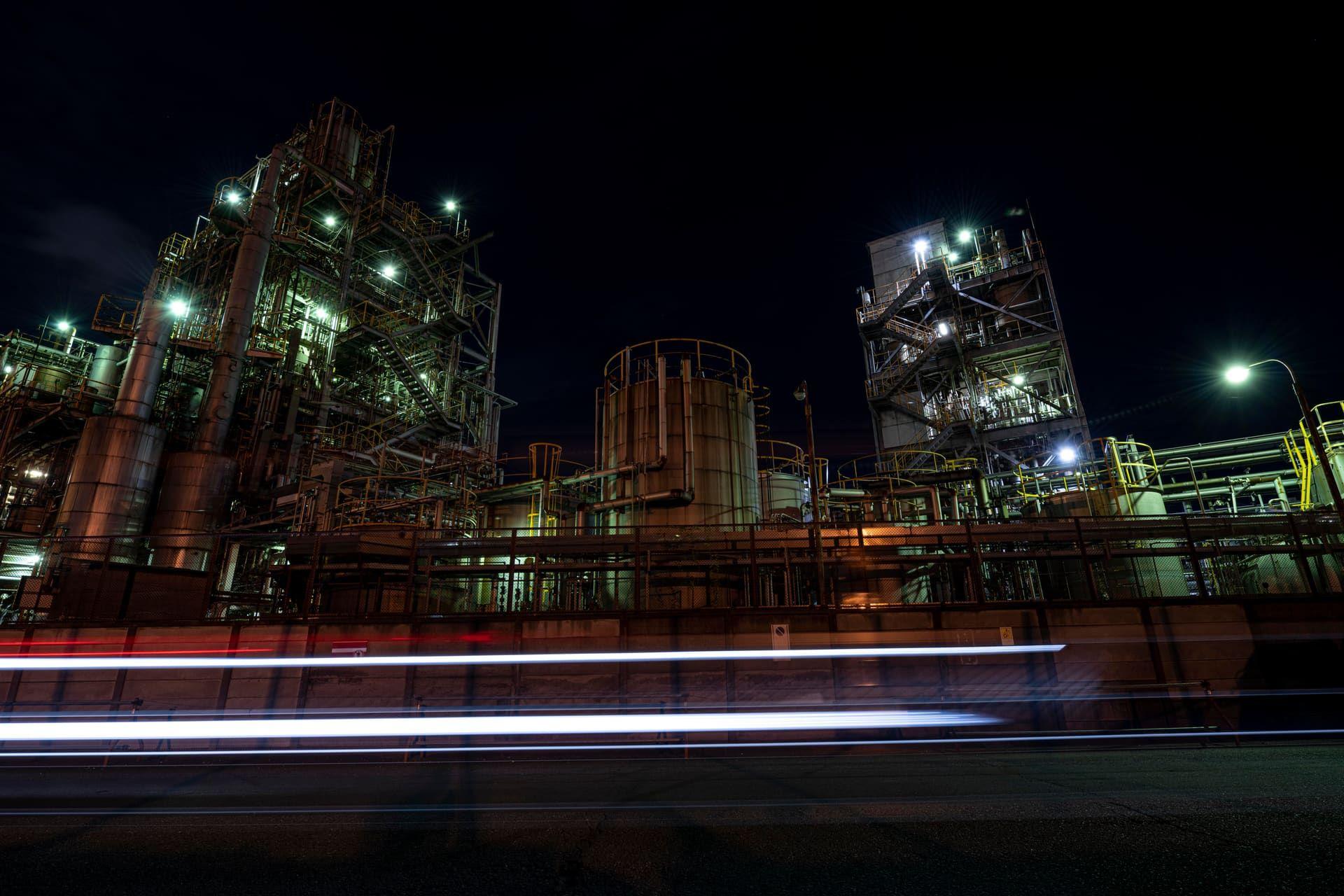
Acetonitrile & Solvent Recovery System
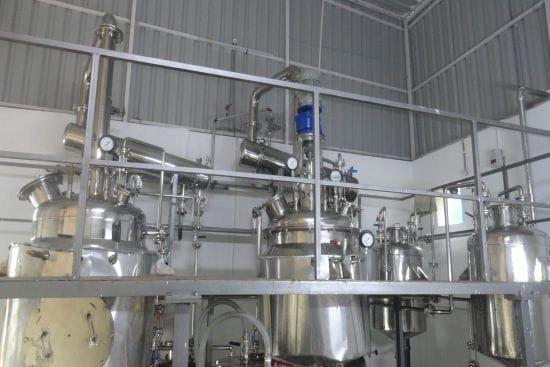
Acetonitrile & Solvent Recovery System
Mechotech designs and manufactures acetonitrile recovery systems that reclaim spent acetonitrile — and other process solvents — from peptide and pharmaceutical purification streams, returning them to high-purity, reusable grade. In preparative HPLC and peptide purification the mobile phase consumes large volumes of acetonitrile, and the used solvent is otherwise an expensive waste stream; a Mechotech recovery system distils and dehydrates that spent acetonitrile back to a low-UV-absorbance quality suitable for reuse in the same demanding applications. Engineered as an energy-efficient, closed-loop plant with capacities from 300 L/day to 10000 L/day, it distils the collected mobile phase, removes water and impurities, and delivers recovered solvent that meets tight UV-transmittance targets. The result is a substantial cut in raw-solvent purchasing, disposal cost and environmental footprint across peptide, generic-API and fine-chemical manufacturing.
A Mechotech acetonitrile recovery system combines fractional distillation with a dehydration stage to separate acetonitrile from water, buffer salts, trifluoroacetic-acid or formic-acid modifiers and trace organics carried over from the purification column. Spent mobile phase is collected and fed to a distillation column where acetonitrile is taken overhead, then dried to break the acetonitrile-water azeotrope and reach the low residual moisture needed for chromatography-grade reuse. The recovered solvent is polished to meet UV-transmittance targets across the low-wavelength range where prep-HPLC detection operates, so it performs like fresh solvent on the column. Built in stainless steel with chemically resistant seals and full vapour containment, the plant runs as a closed loop with heat integration to minimise steam and cooling duty. Capacity, column configuration, degree of dehydration and automation level are all specified to the customer's solvent mix, throughput and target purity, with PLC control for consistent, hands-off operation.
Technical Specifications
| Technology | Fractional distillation with dehydration |
|---|---|
| Primary Solvent | Acetonitrile (general process solvents also recoverable) |
| Feed Source | Spent prep-HPLC mobile phase and process washes |
| Capacity | 300 L/day to 10000 L/day (configurable) |
| Operation | Closed-loop, energy-efficient with heat integration |
| Recovered Purity Basis | Low-UV-absorbance, chromatography-grade reuse |
| UV Transmittance @ 200 nm | ≥ 90% (typical) |
| UV Transmittance @ 210 nm | ≥ 94% (typical) |
| UV Transmittance @ 220 nm | ≥ 96% (typical) |
| UV Transmittance @ 240 nm | ≥ 98% (typical) |
| UV Transmittance @ 250 nm | ≥ 99% (typical) |
| Construction | Stainless steel with chemically resistant seals |
| Automation | PLC control (configurable) |
| Output | Recovered high-purity acetonitrile ready for reuse |
Plant Capacities
| Capacity | Scale / Usage | Configuration | Recovered Purity |
|---|---|---|---|
| 300 L/day | Small purification suite | Distillation + dehydration, PLC | Low-UV-absorbance grade |
| 500 L/day | Pilot / small production | Distillation + dehydration, PLC | Low-UV-absorbance grade |
| 1000 L/day | Production | Distillation + dehydration, PLC | Low-UV-absorbance grade |
| 2000 L/day | Production | Distillation + dehydration, PLC | Low-UV-absorbance grade |
| 5000 L/day | Large production | Distillation + dehydration, PLC | Low-UV-absorbance grade |
| 10000 L/day | High-volume manufacturing | Distillation + dehydration, PLC | Low-UV-absorbance grade |
Capacity is configured to the customer's solvent mix, throughput and target purity; the column, dehydration stage, condensers, heat integration and controls are scaled to each plant. Capacities shown are typical steps in the ladder — intermediate and larger custom sizes on request.
Manufacturing Process
Spent Solvent Collection
Used prep-HPLC mobile phase and process washes are collected to a feed tank, where solids may settle and the batch is homogenised before recovery.
Pre-Filtration & Feed
The feed is filtered to remove particulates and metered into the distillation section, protecting the column and reboiler from fouling.
Fractional Distillation
Acetonitrile is boiled and fractionated overhead, separating it from water, buffer salts, acid modifiers and higher-boiling organic impurities.
Dehydration
A dehydration stage breaks the acetonitrile-water azeotrope and drives down residual moisture to the level required for chromatography-grade reuse.
Purity Polishing
The recovered solvent is polished to meet low-wavelength UV-transmittance targets so it behaves like fresh acetonitrile on the HPLC column.
Condensation & Collection
Purified acetonitrile vapour is condensed under cooling and collected to the recovered-solvent tank, ready for reuse or storage.
Residue & Water Discharge
Concentrated aqueous residue, salts and impurities are discharged for controlled disposal, leaving a much-reduced waste volume.
Closed-Loop Reuse
Recovered solvent is returned to mobile-phase preparation, closing the loop and cutting fresh-solvent purchase, disposal cost and emissions.
Applications
- Acetonitrile recovery from preparative HPLC mobile phase
- Solvent recovery in peptide purification and downstream processing
- Reclaiming acetonitrile in pharmaceutical and generic-API manufacturing
- Recovery of chromatography solvents in fine-chemical production
- Solvent recycling for contract research and manufacturing organisations
- Reducing hazardous-solvent disposal volumes and cost
- General process-solvent distillation and dehydration
- Closed-loop solvent management for green-chemistry initiatives
Key Features
High-Purity, Low-UV-Absorbance Recovery
Distillation and polishing return acetonitrile to a low-UV-absorbance grade that performs like fresh solvent on prep-HPLC columns.
Distillation Plus Dehydration
A combined fractional-distillation and dehydration route breaks the acetonitrile-water azeotrope to reach the low moisture needed for reuse.
300–10000 L/day Capacity
Configurable throughput from 300 L/day for small purification suites up to 10000 L/day for high-volume manufacturing.
Energy-Efficient Closed Loop
Heat integration and closed-loop operation minimise steam and cooling duty while keeping solvent vapour fully contained.
Cuts Solvent Cost & Waste
Recovering and reusing acetonitrile sharply reduces raw-solvent purchasing, hazardous-waste disposal volumes and environmental footprint.
Stainless-Steel Build & PLC Control
Chemically resistant stainless-steel construction with vapour containment and PLC control for consistent, hands-off recovery.
Frequently Asked Questions
What does an acetonitrile recovery system do?
Why is recovering acetonitrile worthwhile?
Is the recovered solvent good enough for prep-HPLC?
How does it remove water from acetonitrile?
What capacities are available?
Can it recover solvents other than acetonitrile?
Does Mechotech supply the system turnkey?
Ready to discuss your project?
Get a free quote and technical consultation from our engineering team.