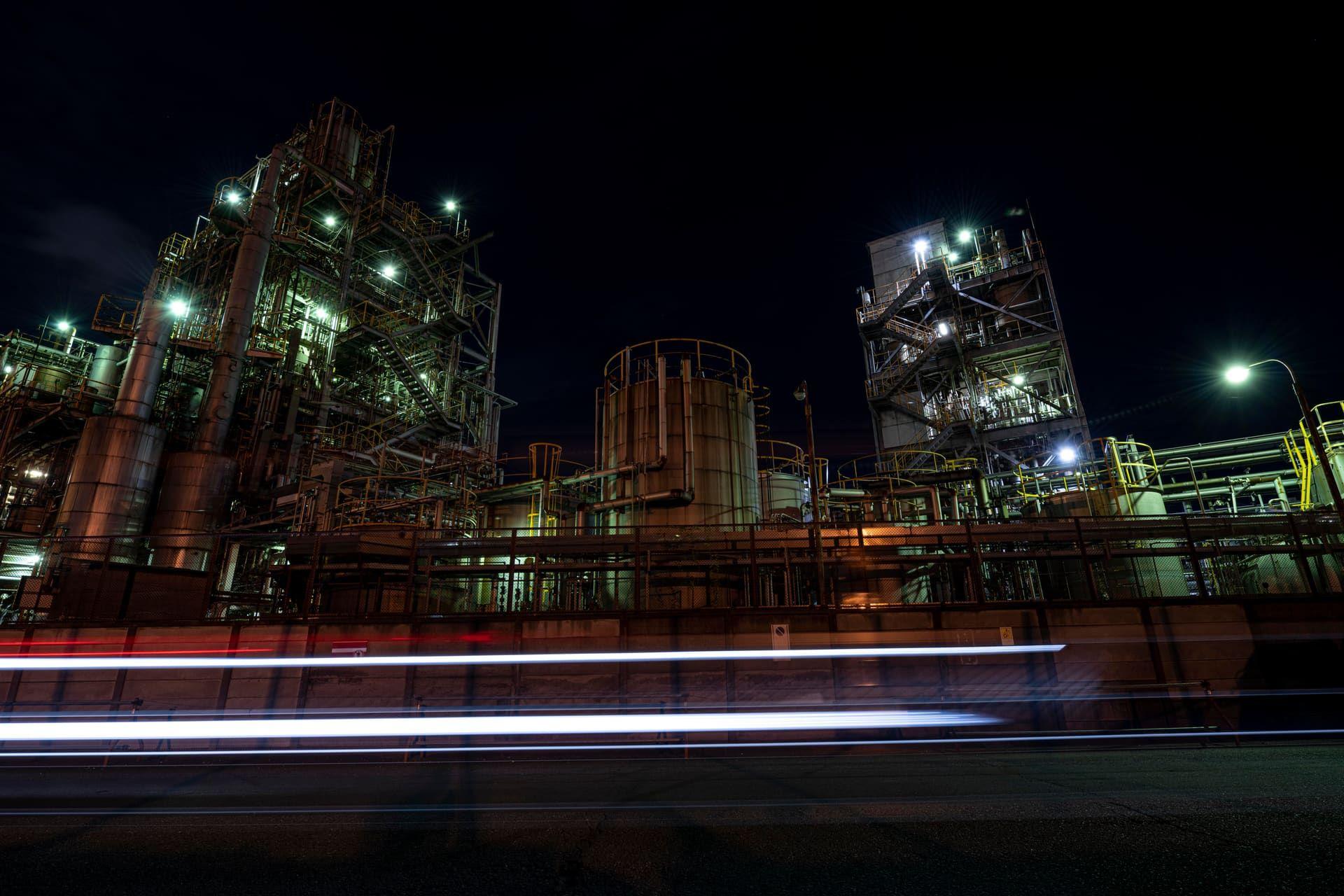
Condensation & Recovery System
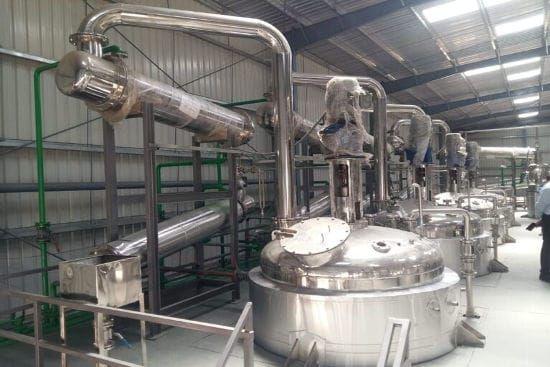
Condensation & Recovery System
Condensation and recovery systems capture solvent and process vapors by cooling them below their dew point so they condense back into a liquid that can be collected, reclaimed and reused, rather than being lost to atmosphere. Serving distillation overheads, reactor and dryer vents, storage-tank breathing and process off-gas, these systems recover valuable solvent while sharply reducing volatile organic emissions. They are essential for both solvent economy and environmental compliance, turning vapor that would otherwise be vented or flared into a recovered product stream. Mechotech engineers turnkey condensation and recovery systems designed around each vapor load and target recovery specification.
A condensation and recovery system works by passing the vapor-laden stream through primary and, where required, secondary condensers cooled by cooling water, chilled water or brine, so the solvent vapor gives up its latent heat and condenses to liquid that drains to a receiver for collection. Staged cooling to progressively lower temperatures, correct heat-transfer area and adequate residence time drive high vapor capture and low breakthrough, and a chilled or cryogenic final stage lifts recovery on low-boiling solvents. The result is strong solvent recovery with a typical target above 95 percent on suitable streams, real solvent economy and markedly lower emissions, supporting CPCB-aligned vent and solvent management. Mechotech fabricates the condensers, receivers, vapor lines and separators in SS 304 with product-contact SS 316L to hygienic, GMP-oriented standards, with PLC/SCADA control of coolant flow, temperature and level. Capacity, number of cooling stages and construction are configured to the specific process requirement.
Technical Specifications
| Technology | Condensation and recovery / staged vapor condensation for solvent reclamation |
|---|---|
| Working Principle | Solvent vapor is cooled below its dew point across cooling stages so it condenses to liquid for collection and reuse |
| Cooling Stages | Primary water, secondary chilled/brine and optional cryogenic (configurable) |
| Operating Temperature | Staged from cooling-water to chilled or cryogenic temperatures per solvent volatility |
| Operating Pressure | Configurable, matched to the vent or process stream |
| Product-contact Material | SS 304 / SS 316L |
| Solvent Recovery | Typical target greater than 95 percent on suitable streams |
| Automation | PLC/SCADA (configurable) with coolant, temperature and level control and data logging |
| Capacity | Configured to requirement - pilot to commercial |
| Utilities | Cooling water, chilled water / brine, optional cryogenic coolant, power, compressed air |
| Compliance | GMP hygienic design; CPCB-aligned for solvent recovery and emissions |
| Final Output | Recovered liquid solvent for reuse or purification, with cleaned non-condensable vent gas |
Manufacturing Process
Vapor collection & routing
Solvent-laden vapor from distillation overheads, reactor vents, dryers or tanks is gathered and routed to the recovery train. Proper vapor-line design avoids condensate traps and pressure loss.
Primary condensation
The vapor is cooled in a primary condenser using cooling water so the bulk of the solvent condenses. This stage recovers the largest share of the vapor load as liquid.
Secondary chilled condensation
Residual vapor passes to a chilled-water or brine condenser held at lower temperature. Deeper cooling captures the more volatile fraction and reduces breakthrough.
Cryogenic or deep-cooling polishing
Where very low emissions are required, a deep-cooling or cryogenic stage condenses the last traces of solvent. This polishing step maximises recovery on low-boiling solvents.
Vapor-liquid separation
Condensate is separated from any non-condensable gas in a knockout or separator. Clean separation prevents carry-over and protects downstream recovery.
Condensate collection
The condensed solvent drains to a receiver and is routed to storage for reuse or further purification. Recovered solvent is captured with minimal loss.
Non-condensable venting
The cleaned residual gas is vented within permitted limits or sent to further abatement. Low solvent carry-over supports CPCB-aligned emission compliance.
Level control & cleanup
Receiver levels and coolant flows are managed automatically and the system is flushed as needed. Steady operation keeps recovery high across the campaign.
Applications
- Solvent recovery from distillation and rectification overheads
- Reactor, dryer and process vent vapor capture
- Storage-tank breathing and loading vapor recovery
- Volatile organic emission reduction and compliance
- Recovery of low-boiling solvents with chilled condensation
- Pharmaceutical and API off-gas solvent recovery
- Agrochemical and specialty-chemical vapor recovery
- R&D, pilot studies and process scale-up
Key Features
High solvent vapor recovery
Staged cooling condenses solvent vapor to liquid with a typical target recovery above 95 percent on suitable streams, reclaiming solvent that would otherwise be vented.
Multi-stage condensation
Primary, chilled and optional cryogenic stages are configured to the vapor load and solvent volatility, capturing both bulk and low-boiling fractions efficiently.
Emission reduction & compliance
Deep cooling minimises solvent carry-over in the vent gas, sharply reducing volatile organic emissions in support of CPCB-aligned vent and solvent management.
Solvent economy
Recovered condensate is returned for reuse or purification, cutting fresh-solvent purchases and hazardous-waste disposal for a more economical plant.
Hygienic, GMP-oriented build
Product-contact parts in SS 316L with smooth finishes support pharmaceutical, nutraceutical and food-grade solvent recovery duty.
Full automation & data logging
PLC/SCADA control of coolant flow, condensation temperature and receiver level with data logging ensures repeatable, traceable recovery.
Frequently Asked Questions
What is a condensation and recovery system?
How does a condensation and recovery system work?
Where does a condensation and recovery system fit in a process line?
What are the benefits for solvent economy and emissions?
What capacity is available?
What material of construction and compliance does Mechotech use?
Does Mechotech provide turnkey design, manufacture, installation and commissioning?
Ready to discuss your project?
Get a free quote and technical consultation from our engineering team.