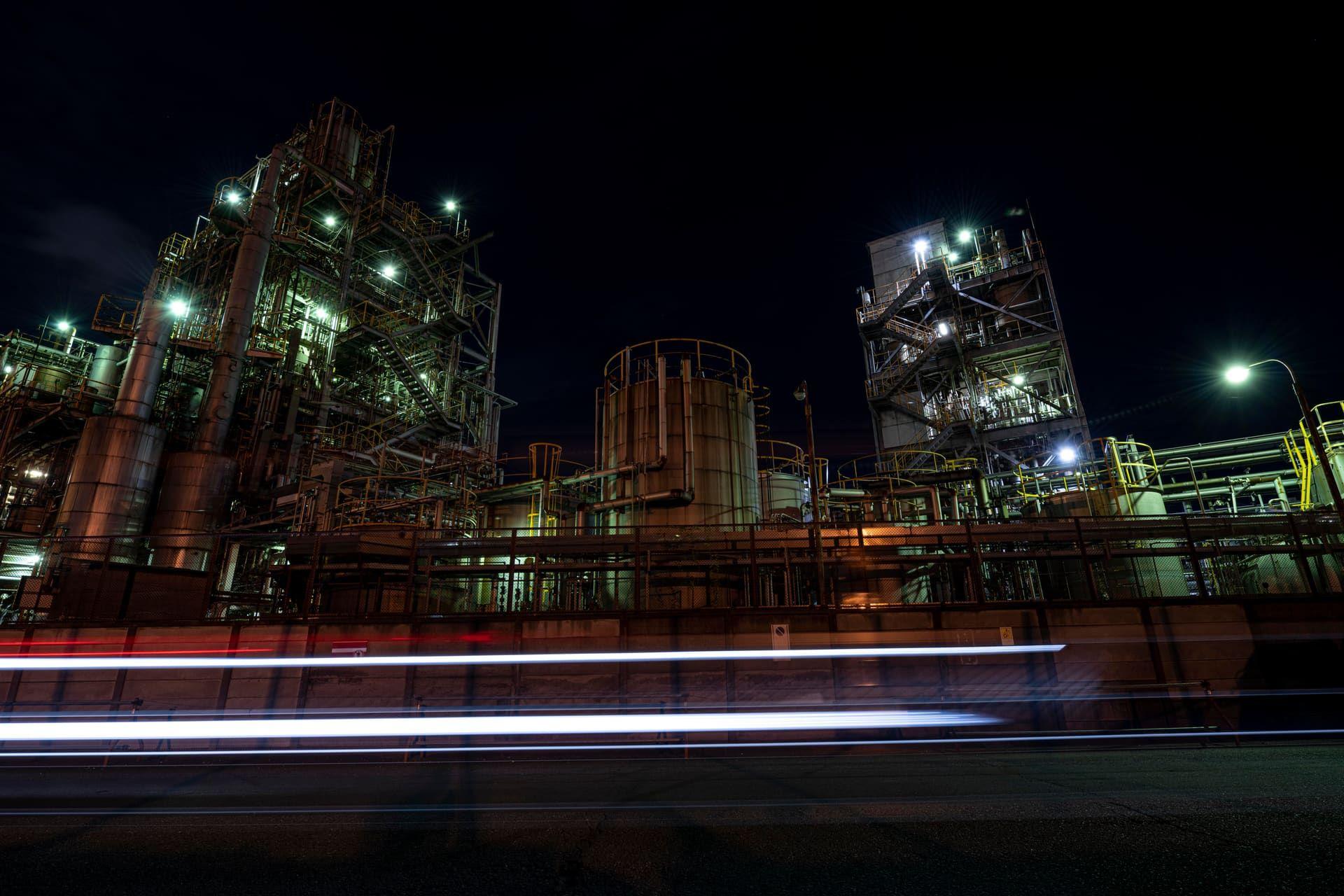
Vacuum Distillation Plant
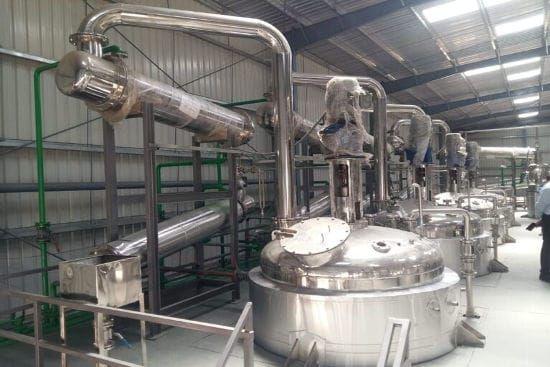
Vacuum Distillation Plant
Vacuum distillation is a reduced-pressure separation method in which the operating pressure inside the system is lowered so that liquids boil at temperatures far below their normal boiling points. This low-temperature operation is ideal for heat-sensitive essential oils, aroma chemicals and high-boiling fractions that would degrade, discolour or polymerise if distilled at atmospheric conditions. By pulling vacuum, high-boiling constituents can be volatilised gently and fractionated with better selectivity and cleaner colour. Mechotech designs and manufactures complete turnkey vacuum distillation systems, engineered around the client's feedstock chemistry, cut specification and throughput.
In a vacuum distillation plant, a vacuum system lowers the internal pressure so the boiling point of the charge drops sharply, allowing high-boiling or thermally fragile material to be distilled at markedly reduced temperature. The feed is heated gently, and volatile fractions rise, are condensed and are collected as separate cuts, giving improved oil quality, a mild thermal profile and reduced risk of thermal damage. The plant integrates a vacuum source, jacketed still or fractionating column, and efficient condensers with staged oil and fraction separation for clean cut collection. Product-contact parts are fabricated in SS 304 / SS 316L with hygienic finishes, and PLC/SCADA automation coordinates vacuum level, temperature and reflux for repeatable separation. Capacity is configured to requirement, from pilot rigs to commercial fractionation trains.
Technical Specifications
| Technology | Vacuum Distillation |
|---|---|
| Working Principle | Reduced-pressure operation lowers boiling points for low-temperature separation of heat-sensitive and high-boiling fractions |
| Operating Temperature | Reduced temperature below atmospheric boiling range, configurable to feed |
| Operating Vacuum | Reduced pressure / vacuum, configurable to cut specification |
| Product-contact Material | SS 304 / SS 316L |
| Condenser / Separation | Shell-and-tube / surface condensers with staged fraction receivers and separation |
| Automation | PLC/SCADA (configurable) |
| Capacity | Configured to requirement — pilot to commercial |
| Utilities | Steam / heating medium, cooling water and vacuum system |
| Compliance | GMP hygienic design |
| Final Output | Purified essential oil / distillate fractions |
Manufacturing Process
Feed Charging
The crude oil, aroma fraction or heat-sensitive feed is charged to the jacketed still or column base ready for reduced-pressure operation.
Vacuum Generation
A vacuum system evacuates the plant to the target pressure, lowering the boiling points of the components so they distil at reduced temperature.
Gentle Heating
The feed is heated to a controlled temperature well below its atmospheric boiling range, minimising thermal stress on sensitive constituents.
Vaporisation & Fractionation
Volatile and lighter fractions vaporise first and rise through the column, where reflux improves separation between individual cuts.
Condensation
Vapours are condensed in efficient shell-and-tube or surface condensers cooled by circulating water or chilled medium.
Fraction Collection
Distilled cuts are directed to separate receivers, isolating purified light, middle and heavy fractions as specified.
Residue Handling
The high-boiling residue or heavy bottoms are drawn off and collected for further use, recovery or disposal.
Applications
- Purification of heat-sensitive essential oils
- Separation and fractionation of aroma chemicals
- Recovery of high-boiling and heavy oil fractions
- Deodorisation and decolourisation of natural oils
- Perfumery and fragrance ingredient refining
- Flavour and food-grade distillate purification
- Pharmaceutical and nutraceutical intermediate distillation
- Fatty acid and specialty chemical fractionation
Key Features
Reduced-Pressure Operation
Lowering system pressure drops boiling points so high-boiling and heat-sensitive material distils gently at low temperature.
Protects Heat-Sensitive Fractions
Low-temperature separation prevents thermal degradation, discolouration and loss of delicate aroma and active constituents.
Selective Fractionation
Column reflux and staged receivers give sharp separation and clean collection of individual cuts and specialty fractions.
SS 304 / SS 316L Construction
Product-contact surfaces are fabricated in stainless steel with hygienic finishes suited to flavour, fragrance and pharma duty.
PLC/SCADA Automation
Coordinated control of vacuum level, temperature and reflux ratio delivers repeatable, well-controlled separations.
Turnkey & Configurable
Mechotech engineers capacity from pilot rigs to commercial trains and delivers design, fabrication, installation and commissioning.
Frequently Asked Questions
What is vacuum distillation?
How does a vacuum distillation plant work?
Which feedstocks and oils suit vacuum distillation?
How does vacuum distillation compare to steam and hydro distillation?
What capacities are available?
What materials and compliance standards are used?
Does Mechotech provide turnkey design, installation and commissioning?
Ready to discuss your project?
Get a free quote and technical consultation from our engineering team.