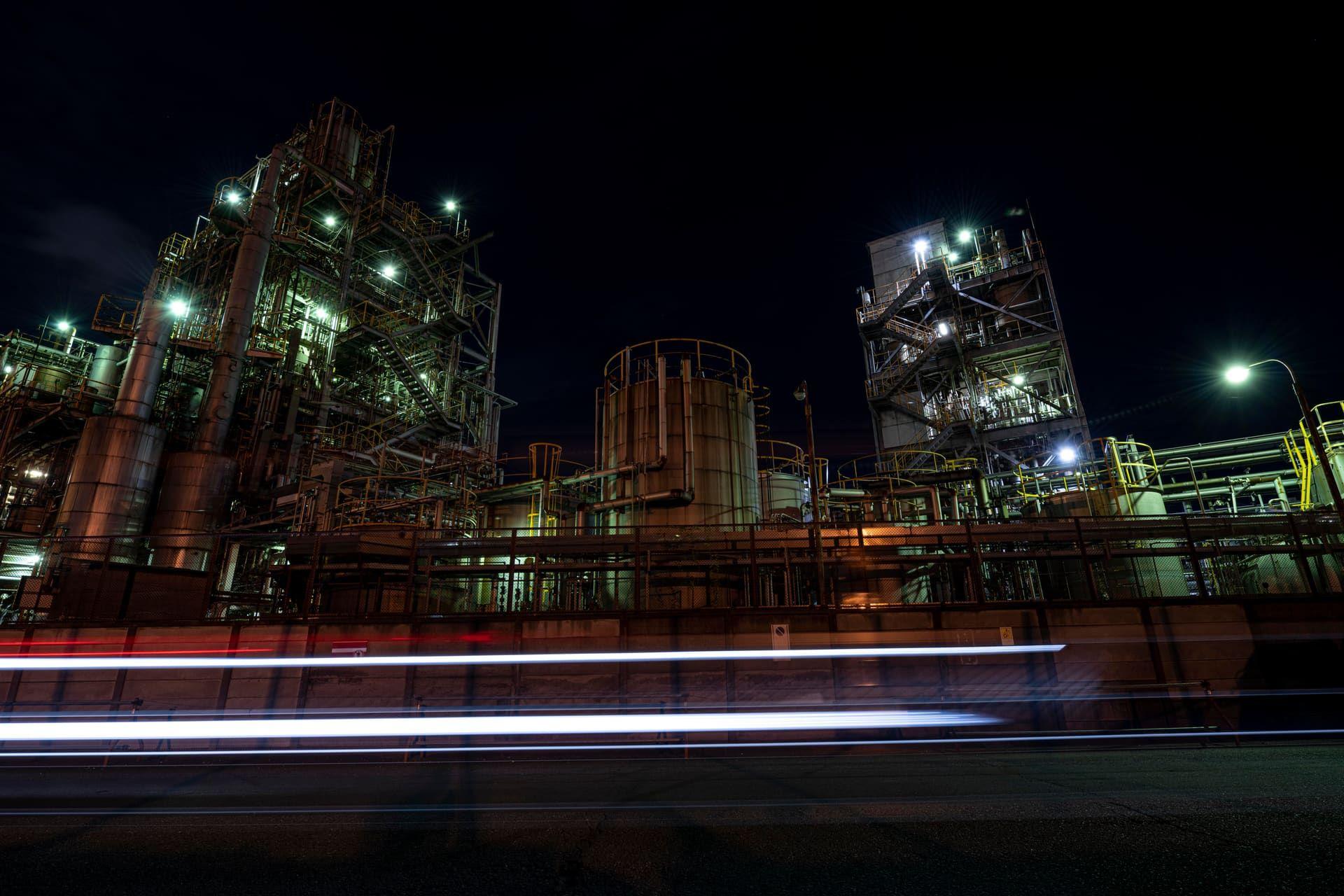
Automated Solid-Phase Peptide Synthesizer
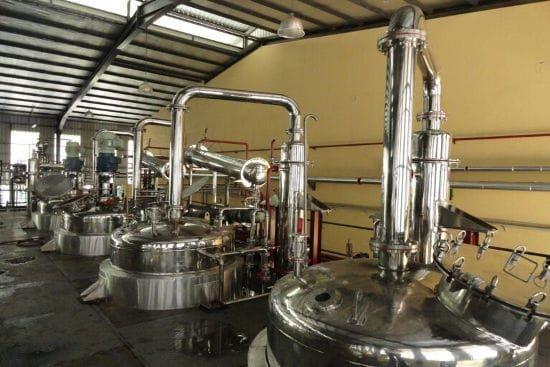
Automated Solid-Phase Peptide Synthesizer
Mechotech designs and manufactures automated solid-phase peptide synthesizers (SPPS) that build peptide chains one residue at a time on an insoluble resin support, automating the repetitive coupling, deprotection and wash cycles that define peptide chemistry. The system anchors the first amino acid to the resin and then adds each subsequent residue under programmed control, so the operator defines the sequence and the instrument executes it reproducibly from end to end. A multi-channel architecture runs several reaction vessels in parallel and asynchronously, letting a laboratory synthesize a panel of different sequences in a single unattended run. Built for research, biochemistry and molecular-biology laboratories, the platform supports both t-Boc and Fmoc strategies and handles complex, long and chemically modified sequences with consistent, high-fidelity results.
A Mechotech laboratory peptide synthesizer combines precise reagent metering, inert-gas mixing and independently addressable reaction vessels so that each channel can follow its own sequence, scale and cycle timing without waiting on the others. Amino-acid derivatives, activators, deprotection reagent and wash solvents are delivered by accurate dispensing from a shared fluidics manifold, while nitrogen bubbling agitates the resin bed for efficient mass transfer during coupling. Every step — activation, coupling, capping, Fmoc or Boc deprotection, and inter-step washing — is defined in an editable method and logged for full traceability, giving repeatable results run after run. The instrument is engineered for difficult syntheses, including long chains, aggregation-prone sequences and site-specific modifications such as labelling, cyclisation and non-natural residues. Reaction-vessel count, working scale and reagent-line configuration are all specified to the laboratory's throughput and chemistry, and the compliant control software brings audit trails and electronic records to method-driven synthesis.
Technical Specifications
| Technology | Automated solid-phase peptide synthesis (SPPS) |
|---|---|
| Synthesis Strategy | t-Boc and Fmoc (configurable) |
| Architecture | Multi-channel, asynchronous parallel synthesis |
| Reaction Vessels | Configured to requirement — multiple independent channels |
| Working Scale | Research / laboratory scale (configurable per channel) |
| Agitation | Inert-gas (nitrogen) bubbling for resin mixing |
| Reagent Delivery | Precise automated dispensing from shared fluidics manifold |
| Dispense Accuracy | High-accuracy metered delivery (configurable) |
| Cycle Control | Programmable coupling, capping, deprotection and wash steps |
| Sequence Support | Long, cyclic, labelled and non-natural-residue peptides |
| Software | FDA 21 CFR Part 11 compliant, with audit trail and e-records |
| Product-contact Material | Chemically resistant fluid path (PTFE / borosilicate / SS) |
| Utilities | Inert gas, electrical power, solvent and waste handling |
| Output | Resin-bound crude peptide ready for cleavage |
Plant Capacities
| Vessel Scale | Usage | Channels | Strategy | Control |
|---|---|---|---|---|
| Micro / screening | Library & analogue panels | Multiple parallel | Fmoc / t-Boc | 21 CFR Part 11 software |
| Small research | Single custom peptides | Multiple parallel | Fmoc / t-Boc | 21 CFR Part 11 software |
| Standard research | Routine lab synthesis | Multiple parallel | Fmoc / t-Boc | 21 CFR Part 11 software |
| Larger research | Scale-up feasibility | Configurable | Fmoc / t-Boc | 21 CFR Part 11 software |
Reaction-vessel scale, channel count and reagent-line configuration are specified to each laboratory's chemistry and throughput. Scales shown are typical research ranges — custom configurations on request.
Manufacturing Process
Resin Loading
The chosen resin is charged to each reaction vessel and pre-swelled in solvent so the growing peptide chain has an accessible, evenly wetted support for synthesis.
Amino-Acid Activation
The next Fmoc- or Boc-protected amino acid is metered with an activator to form the reactive species just before it is delivered to the resin.
Coupling
The activated residue is dispensed into the vessel and mixed by inert-gas bubbling, forming the new amide bond while nitrogen agitation drives efficient mass transfer.
Washing
Excess reagents and by-products are flushed from the resin with programmed solvent washes to prevent carry-over into the next step.
Deprotection
The temporary N-terminal protecting group is removed — piperidine for Fmoc or acid treatment for t-Boc — to expose the amine for the following coupling.
Capping (Optional)
Any unreacted chains are acetylated so that deletion sequences are terminated early, improving the purity of the final full-length peptide.
Cycle Repetition
The synthesizer repeats coupling, washing and deprotection for each residue in the programmed sequence, running multiple channels asynchronously and in parallel.
Final Wash & Handover
On completion the resin-bound peptide is given a final wash and dried, ready for downstream cleavage from the resin and side-chain deprotection.
Applications
- Research-scale synthesis of custom peptides for academic and industrial laboratories
- Parallel synthesis of peptide libraries and analogue panels for screening
- Antigen, epitope and vaccine-candidate peptides for immunology
- Peptide substrates, inhibitors and probes for enzymology and cell biology
- Labelled, biotinylated and fluorescently tagged peptides for assays
- Cyclic, stapled and non-natural amino-acid modified sequences
- Structure-activity relationship (SAR) studies in medicinal chemistry
- Molecular-biology, biochemistry and proteomics reference standards
Key Features
Multi-Channel Parallel Synthesis
Independently addressable reaction vessels run asynchronously and in parallel, so a panel of different sequences is produced in one unattended run.
Dual t-Boc & Fmoc Strategies
The chemistry module supports both Boc and Fmoc protecting-group strategies, giving flexibility across classical and modern SPPS routes.
Reproducible Automated Cycles
Programmed activation, coupling, capping, deprotection and wash steps repeat identically every cycle for consistent, high-fidelity results.
Handles Complex Sequences
Engineered for long, aggregation-prone and modified peptides — including cyclisation, labelling and non-natural residues — where manual synthesis struggles.
Precise Reagent Dispensing
Accurate metering of amino acids, activators, deprotection reagent and washes with inert-gas mixing ensures efficient coupling and minimal reagent waste.
Compliant Control Software
Method-driven control with audit trails and electronic records under FDA 21 CFR Part 11 for traceable, repeatable programmed synthesis.
Frequently Asked Questions
What is a solid-phase peptide synthesizer?
What is the difference between Fmoc and t-Boc synthesis?
Can it run several different peptides at once?
Can it make complex or modified peptides?
How does it ensure reproducibility?
Is the control software regulatory-ready?
Does Mechotech supply the synthesizer turnkey?
Ready to discuss your project?
Get a free quote and technical consultation from our engineering team.