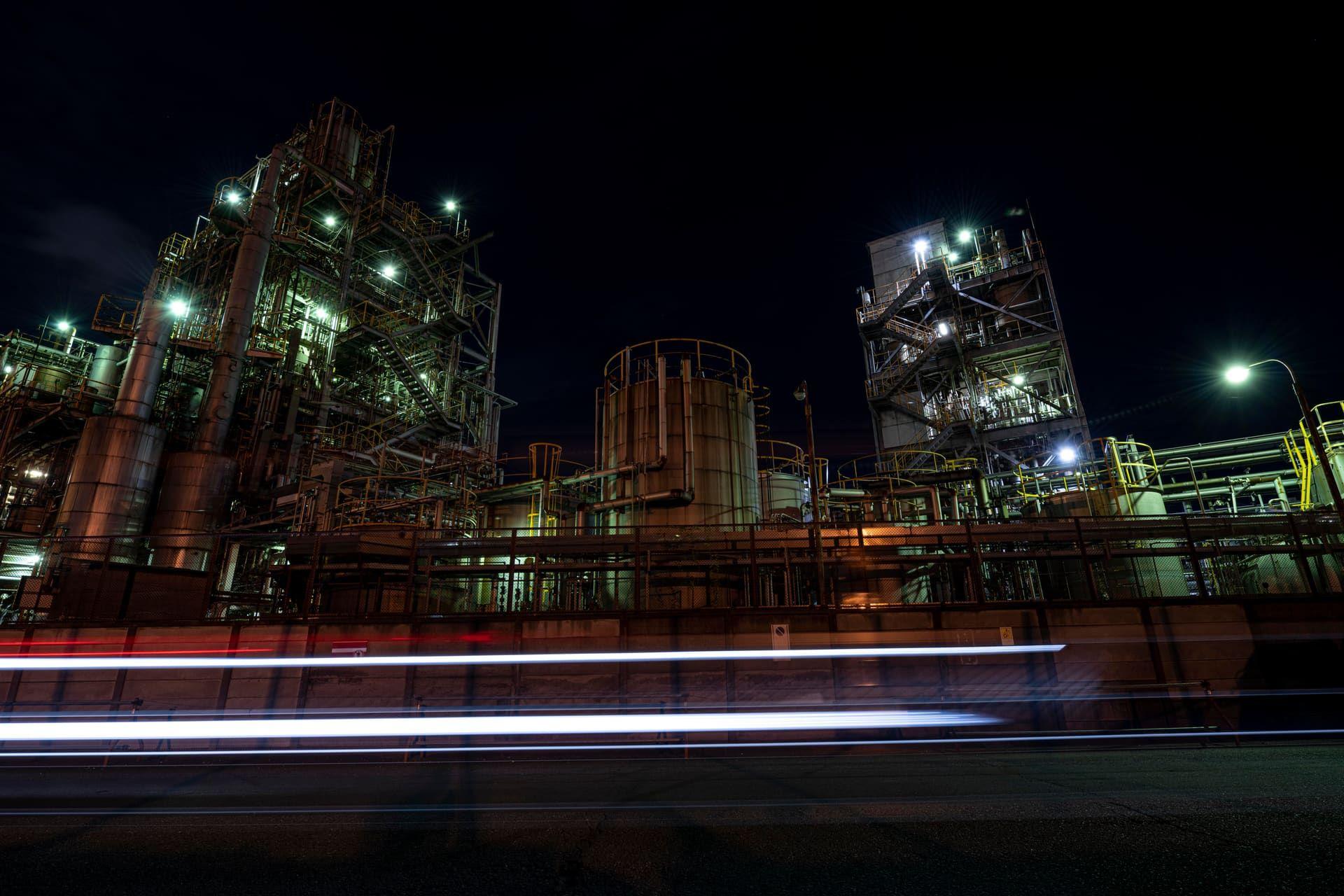
Frankincense Extraction Plant
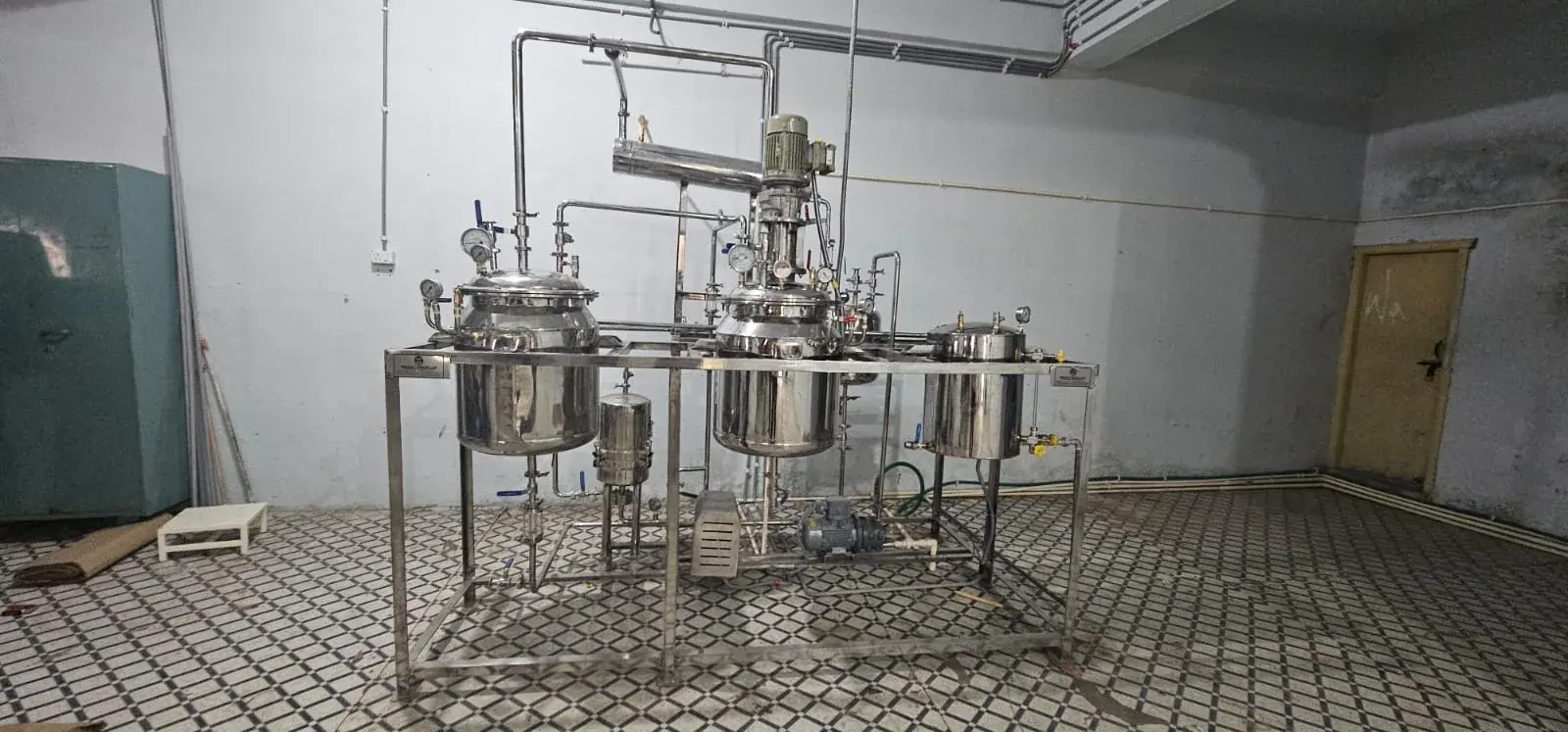
Frankincense Extraction Plant
Mechotech designs and manufactures turnkey plants that process frankincense (olibanum), the oleo-gum-resin tapped from Boswellia bark, engineered and built at our Hyderabad, India works. The catalogue offers three different routes: steam or hydro distillation to an essential oil, solvent extraction to a resinoid or absolute, and solvent extraction with purification to a standardised boswellic-acid powder. This page is for fragrance, nutraceutical and herbal-ingredient makers who need to match the plant to the output format they actually sell.
Frankincense arrives as hardened, air-cured resin tears mixed with bark fragments and sand, so every route opens with resin sorting, cleaning and controlled size reduction rather than a simple wash and mill. Distillation plants then use an SS 316L still, a multi-tube condenser with chilled-water circulation, a Florentine flask and polish filtration. Solvent plants use closed jacketed extractors, filtration, a falling-film / vacuum evaporator with solvent recovery and, for powders, a vacuum tray dryer or spray dryer. The design is GMP-oriented and hygienic, with documentation to support the customer's own qualification. Final configuration depends on raw material, process requirement, capacity and engineering review.
Technical Specifications
| Plant Type | Frankincense / olibanum plant: distillation (essential oil) or solvent extraction (resinoid, boswellic-acid extract) |
|---|---|
| Raw Material | Tapped, air-hardened Boswellia oleo-gum-resin ('tears'); species (B. serrata, B. sacra or B. carterii) confirmed per sourcing lot |
| Essential Oil Route | Steam or hydro distillation of sorted, size-reduced resin; verified by GC-MS profile and physical parameters; not standardised to boswellic-acid content |
| Resinoid Route | Solvent extraction (food-grade alcohol or hydrocarbon system, per target product) in closed jacketed SS 316L extractors to a resinoid or absolute |
| Boswellic-Acid Extract Route | Controlled-temperature solvent extraction with purification; grades listed on the Boswellia serrata extract page as 30% to 85% Boswellic acids by titration, including AKBA-enriched |
| Resin Handling | Resin reception, cleaning and sorting station; controlled size-reduction / resin milling |
| Distillation Train | SS 316L still, multi-tube condenser with chilled-water circulation, stainless-steel Florentine flask, polish filtration and drying |
| Solvent Plant Train | Plate-and-frame filter press or pressure leaf filter, cartridge polish filters, falling-film / vacuum evaporator, closed-loop solvent recovery |
| Product-contact Material | SS 316L, CIP-cleanable (the Boswellia serrata extract page lists SS 304 / SS 316L) |
| Automation | PLC-based; PLC-SCADA with recipe management on the extraction routes |
| Solvent Handling | Solvent-handling areas engineered for flammable solvents on the resinoid route |
| Plant Capacity | Configured to requirement; resin lots vary by origin, species and season, so capacity is confirmed after a pilot trial |
Manufacturing Process
Resin Reception, Sorting & Cleaning
Raw frankincense tears are inspected for species, tear size, colour and age, then cleaned to remove bark fragments, sand and other foreign matter picked up during tapping and collection.
Controlled Size Reduction
Hardened tears are crushed or milled to a controlled particle size using equipment configured for resin, with cooling and feed rate controlled because softer lots can gum up a standard mill.
Distillation: Steam or Hydro Distillation
For an essential oil, the prepared charge is loaded into the SS 316L still and distilled by steam or hydrodistillation, selected for tear hardness and resin age, over the extended cycle that resin typically needs.
Distillation: Condensation & Oil-Water Separation
Vapours pass through a multi-tube condenser with chilled-water circulation; the oil is drawn off in a Florentine flask while the aromatic hydrosol is collected as a co-product.
Distillation: Polishing, Drying & GC-MS Quality Control
The crude oil is polish-filtered and dried over anhydrous sodium sulphate or by vacuum, then verified batch by batch by GC-MS profiling and physical parameters before release.
Solvent Extraction
For a resinoid or boswellic-acid extract, milled resin is extracted in closed jacketed SS 316L extractors under controlled temperature over multiple cycles, typically longer than a leafy botanical needs.
Filtration, Concentration & Solvent Recovery
The resin miscella is clarified through filtration and cartridge polish filters, then concentrated under vacuum, with solvent recovered through the closed-loop condenser return system.
Purification, Standardisation & Drying
The resinoid is assayed and adjusted to the declared specification. On the boswellic-acid route the concentrate is purified, vacuum-dried and pulverised to a powder before release after residual-solvent, heavy-metal, microbial and moisture testing.
Major Plant Equipment
- Resin reception, cleaning and sorting station
- Resin crusher / controlled size-reduction mill
- SS 316L distillation still (steam / hydro configurable)
- Multi-tube condenser with chilled-water circulation
- Stainless-steel Florentine flask (oil-water separator)
- Polish filtration and oil drying station
- Closed jacketed SS 316L solvent extraction vessels
- Solvent storage tanks and transfer pumps
- Plate-and-frame filter press / pressure leaf filter and cartridge polish filters
- Falling-film / vacuum evaporator
- Closed-loop solvent recovery system with condensers and vacuum pumps
- Vacuum tray dryer / spray dryer and pulverizer (extract powder route)
- CIP (clean-in-place) system
- PLC-based automation panel, electrical MCC and instrumentation
Plant Output
Applications
- Aromatherapy, fragrance and perfumery formulations
- Fine fragrance base-note resinoid use
- Incense and traditional resin-based preparations
- Joint-health and anti-inflammatory supplement formulations (boswellic-acid extract)
- Cosmetics and skin-care aromatic and active ingredients
- Ayurvedic, Unani and traditional medicine preparations
- Pharmaceutical standardised ingredient supply
Key Features
Built for Resin, Not Leaf or Seed
Cleaning, sorting and size-reduction stages are configured for tapped oleo-gum-resin tears, a different raw-material handling requirement from most botanical lines.
Three Distinct Outputs
Essential oil, resinoid and boswellic-acid powder are different products from different plants. Boswellic acids are largely non-volatile and are not carried over by steam distillation.
GC-MS-Verified Oil Documentation
Each distilled oil batch is released against a GC-MS profile and physical parameters, with certificate-of-analysis documentation.
Extended-Cycle Extraction
Extraction time and temperature on the solvent routes are configured for the resin's dense matrix, with closed-loop solvent recovery returning solvent for reuse.
Species-Flexible Distillation
Distillation mode and cycle time can be adjusted for the tear hardness and volatility profile of different Boswellia sources.
Frequently Asked Questions
Should I make frankincense essential oil, resinoid or boswellic-acid extract?
Why does distilled frankincense oil not contain boswellic acids?
What does frankincense raw material look like, and what do you need to know?
Does Mechotech supply resin tapping, collection or grading equipment?
Which solvents are used on the resinoid route?
What boswellic-acid grades can the extract plant be configured for?
Can the same plant also process myrrh or opoponax?
What should I send to request a frankincense plant quote?
Project Enquiry Pages
Country pages that include this equipment among their project areas:
Ready to discuss your project?
Get a free quote and technical consultation from our engineering team.