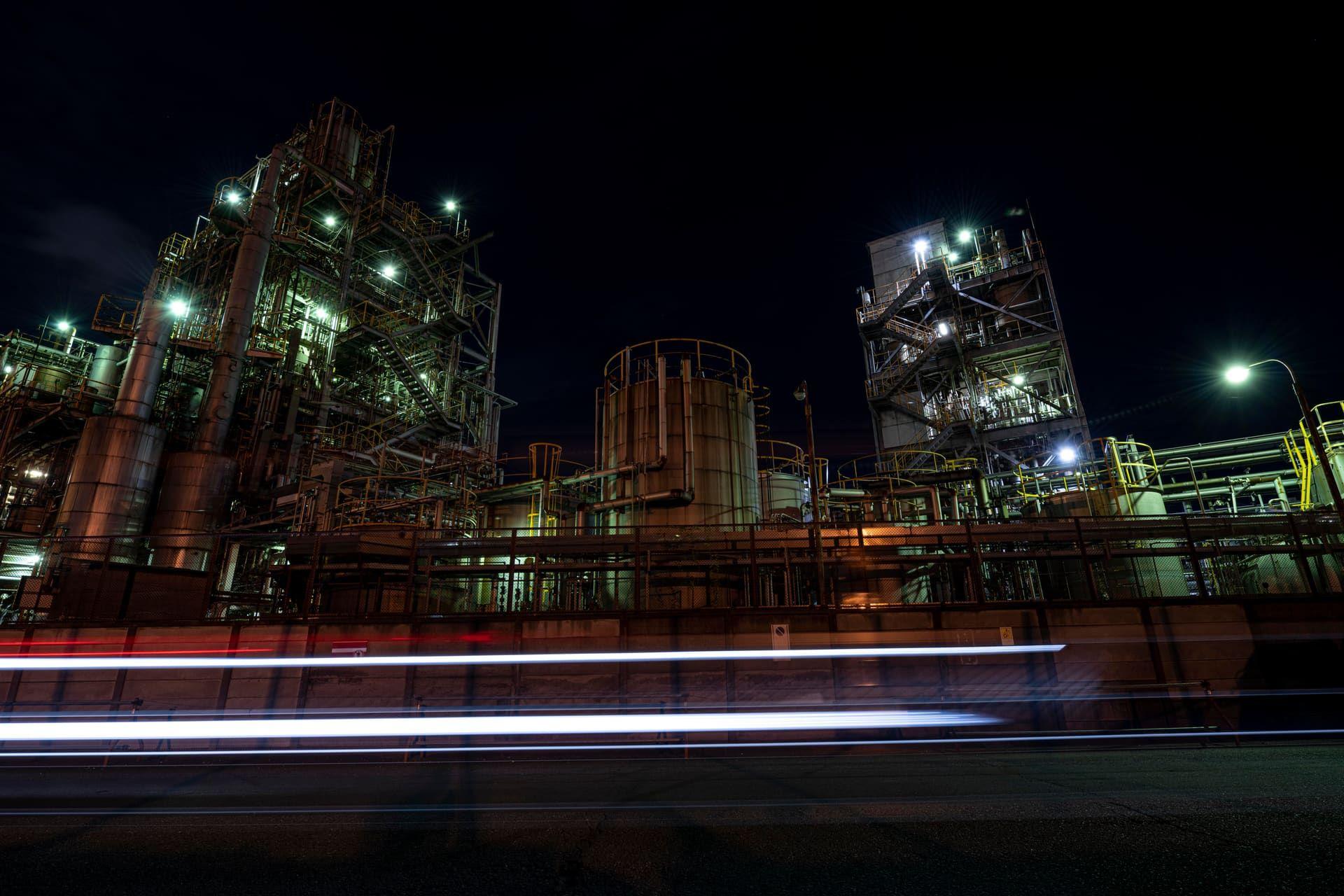
Fruit & Vegetable Dehydration Plant
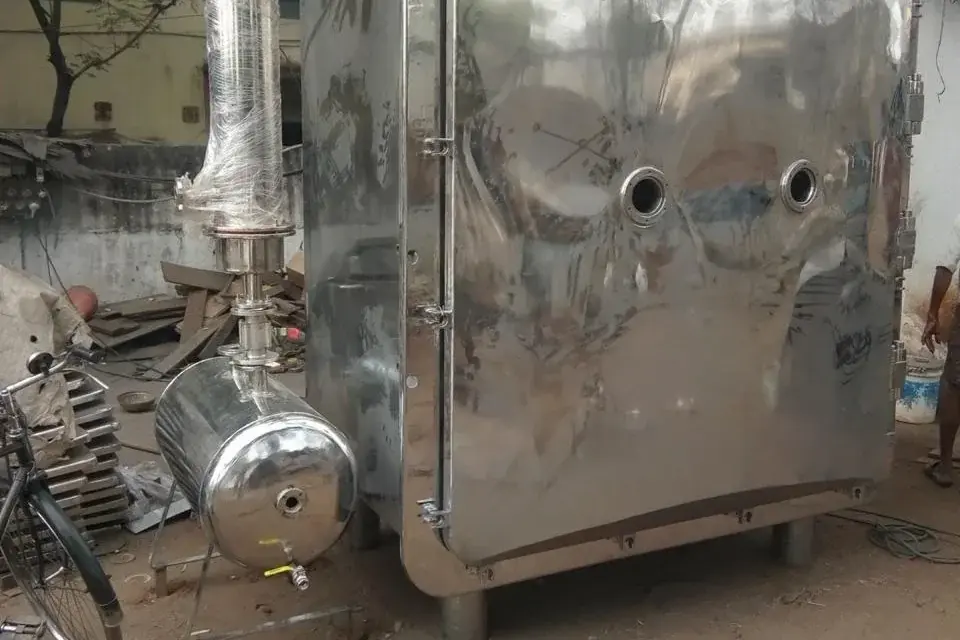
Fruit & Vegetable Dehydration Plant
A dehydration plant removes a controlled amount of moisture from fresh fruit or vegetables so the product stays stable, weighs less and can be sold as flakes, slices, granules or powder. Mechotech designs dehydration and food-processing systems around the raw material, fresh-input capacity, final product, moisture target, drying technology and utilities. A standalone raw-produce dehydration line is not a listed standard catalog product, so each project is scoped after engineering review.
A typical line moves produce through receiving, sorting and washing, peeling and size reduction, optional pretreatment such as blanching, drying, and cooling, grading and packing. Drying is the stage where the dryer type is chosen. Mechotech's listed drying equipment includes vacuum tray dryers, fluidised-bed dryers, vacuum paddle dryers, freeze dryers and spray dryers, each suited to a different feed form: pieces, granules, pastes or liquids. Final yield is far lower than fresh input because most incoming weight is water, so plant sizing starts from a mass balance. Final configuration depends on raw material, process requirements, capacity and engineering review.
Technical Specifications
| Project type | Fruit and vegetable dehydration: engineered per project |
|---|---|
| Catalogue status | Listed drying equipment is available; a complete raw-produce dehydration line is scoped per project, not a listed standard product |
| Listed drying equipment | Vacuum tray dryer, fluidised-bed dryer, vacuum paddle dryer, freeze dryer, spray dryer |
| Produce discussed in our guide | Mango, banana, pineapple, apple, papaya, amla, berries, coconut, onion, garlic, tomato, carrot, beetroot, potato, chilli, ginger and leafy vegetables; suitability confirmed per project |
| Product forms | Flakes, slices, granules and powders, depending on crop and customer specification |
| Plant sizing basis | Mass balance from fresh input through preparation losses and water removal to finished yield |
| Product-contact material | SS 316L (or process-appropriate grade), electropolished, CIP-capable on the listed dryers |
| Capacity | Configured to requirement |
Manufacturing Process
Receiving, Sorting & Washing
Incoming produce is inspected, damaged material is removed and the feed is washed to remove soil, dust and contaminants.
Peeling & Size Reduction
Where required, produce is peeled, then cut, sliced, shredded or diced to uniform dimensions so it dries consistently.
Pretreatment
Some products benefit from blanching or other steps to manage enzyme activity, colour, texture or microbial load. It is selected per product, not applied universally.
Drying
Moisture is removed under controlled temperature, airflow, humidity, bed thickness and residence time. Excess heat harms colour, flavour and nutrients; too little drying compromises stability.
Milling & Sieving (For Powders)
Where a powder is the product, dried material is milled to the target size after it reaches a suitable moisture and then sieved.
Cooling, Grading & Packing
Dried product is cooled, graded and packed under conditions that suit its stability and intended shelf life.
Major Plant Equipment
- Receiving, sorting and washing equipment
- Peeling, cutting and size-reduction equipment
- Vacuum tray dryer
- Fluidised-bed dryer
- Vacuum paddle dryer
- Freeze dryer (lyophilizer)
- Spray dryer (liquid and puree feeds)
- Milling and sieving equipment (powder routes)
- CIP (clean-in-place) system
- PLC-based control panel and instrumentation
Plant Output
Applications
- Fruit and vegetable dehydration for food ingredient supply
- Onion and garlic dehydration for seasoning and processed-food use
- Dehydrated flakes, slices and granules
- Fruit and vegetable powders
- Multi-product facilities for seasonal crops
- Export-oriented dehydrated ingredient production
Key Features
Mass-Balance Sizing
The plant is sized from fresh input through losses to finished yield, because comparing fresh capacity with finished output leads to over-sizing.
Dryer Chosen to the Product Form
Tray, fluidised-bed, paddle, freeze and spray dryers are each listed, so the dryer follows the product's form and heat sensitivity.
Hygienic Design
Suitable food-contact materials, accessible cleaning, drainage and raw and finished-zone separation are planned in, with CIP on the listed dryers.
Multi-Product Planning
For seasonal crops, a multi-product facility is possible where cleaning, product compatibility and scheduling are managed.
Frequently Asked Questions
Does Mechotech supply fruit and vegetable dehydration plants?
Which dryers does Mechotech list?
What do I need to share for a dehydration plant enquiry?
Why is finished output so much lower than fresh input?
Can the same plant dry different fruits and vegetables?
Can I make powder as well as dried pieces?
Can I run a trial before buying a dryer?
Project Enquiry Pages
Country pages that include this equipment among their project areas:
- Nigeria: Fruit & vegetable dehydration and powder
- Ghana: Fruit & vegetable dehydration and spray dryers
- Kenya: Fruit & vegetable dehydration and powder
- Ethiopia: Dehydration & industrial dryers
- Egypt: Vegetable dehydration & industrial dryers
- Morocco: Fruit & vegetable dehydration dryers
- Oman: Dates & fruit dehydration
- Türkiye: Fruit & vegetable dehydration dryers
- Vietnam: Fruit & vegetable dehydration dryers
- Philippines: Fruit & vegetable powder
- Bangladesh: Fruit & vegetable dehydration dryers
- Nepal: Fruit & vegetable dehydration dryers
Ready to discuss your project?
Get a free quote and technical consultation from our engineering team.