
Cassia Bark Oleoresin
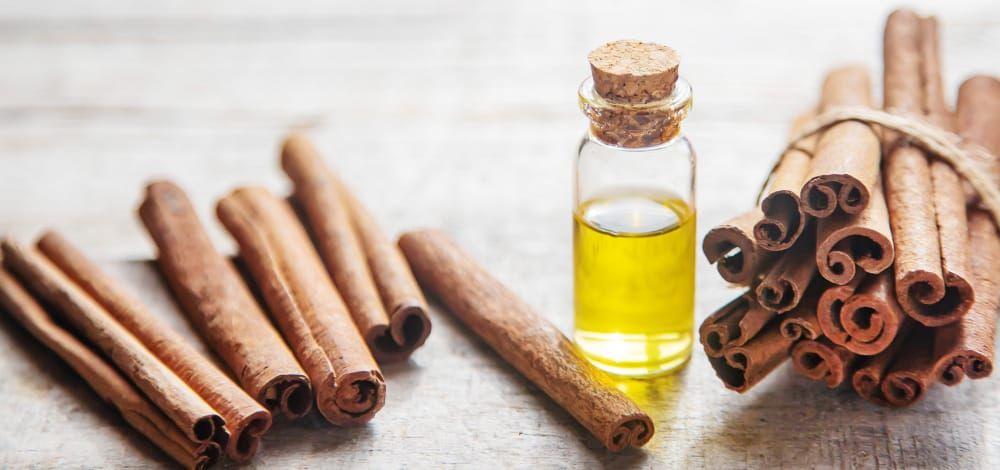
Cassia Bark Oleoresin
Purity Levels
Cinnamaldehyde 65–80% w/w
Mechotech designs and manufactures turnkey oleoresin extraction plants for Cassia (Cinnamomum cassia, also called Cinnamomum aromaticum), the thicker-barked, more pungent cinnamon species that dominates world cinnamon-spice trade, processing dried cassia bark into an oleoresin standardised primarily on cinnamaldehyde content — the aromatic aldehyde responsible for cinnamon's characteristic hot, sweet-woody flavour. Cassia is a genuinely different raw material from true Ceylon cinnamon (Cinnamomum verum, not covered by this page): cassia bark is thicker, coarser, and yields a stronger, more one-dimensional cinnamaldehyde-forward flavour, and — a well-documented food-safety distinction — carries meaningfully higher natural coumarin content than Ceylon cinnamon, which is relevant to food-grade dosing limits in several export markets. We supply the complete machinery to process cassia bark into a consistent, cinnamaldehyde-standardised oleoresin for the food, flavour, and fragrance industries.
Mechotech's Cassia oleoresin plant is engineered around the aldehyde chemistry of cinnamaldehyde, which forms the dominant fraction of cassia bark's essential oil and gives the finished oleoresin its characteristic pungency — a meaningfully different target from the non-volatile proanthocyanidin/polyphenol fraction that Mechotech's separate Cinnamon Bark Extract line is built to recover. That line processes bark (from either cassia or true cinnamon) specifically for its heat-sensitive, non-volatile polyphenol content using a UV-standardisation method aimed at antioxidant and glycemic-support nutraceutical buyers; this page's cassia oleoresin instead targets the volatile, steam- and solvent-recoverable cinnamaldehyde fraction for the flavour and food trade, and the two products are not interchangeable. Because cassia carries higher natural coumarin levels than Ceylon cinnamon — a genuine botanical distinction with food-safety relevance in markets that cap dietary coumarin intake — Mechotech's standardisation stage includes coumarin as a monitored release parameter alongside the primary cinnamaldehyde assay. Built in SS 316L with electropolished product-contact surfaces, closed-loop solvent recovery, and PLC-based automation, each plant is delivered as a commissioned turnkey system engineered to the declared cinnamaldehyde specification.
Technical Specifications
| Product | Cassia Bark Oleoresin Extraction Plant |
|---|---|
| Botanical Name | Cinnamomum cassia (syn. Cinnamomum aromaticum) |
| Raw Material | Dried cassia bark (quills, chips, or trimmings) |
| Plant Part | Bark |
| Extract Type | Cinnamaldehyde-rich viscous oleoresin (liquid concentrate) |
| Standardisation | Cinnamaldehyde content by GC assay, 65–80% w/w typical, with natural coumarin content monitored by HPLC as a food-safety release parameter |
| Extraction Method | Solvent percolation extraction (closed, jacketed SS 316L extractors) |
| Product-contact Material | SS 316L, electropolished, CIP-cleanable |
| Filtration System | Plate-and-frame filter press with cartridge polish filtration |
| Concentration System | Falling-film / vacuum evaporator with closed-loop solvent recovery |
| Drying System | Not applicable — final product is a viscous liquid oleoresin, not a dried powder |
| Automation | PLC-SCADA with recipe management, batch traceability and production reporting |
| Plant Capacity | Configured to requirement |
| Utility Requirements | Steam, chilled/cooling water, compressed air, soft water, power (project-specific) |
| Compliance | FSSAI, GMP, HACCP hygienic design; full documentation for qualification |
| Final Product Form | Viscous, food-grade cinnamaldehyde-rich oleoresin (liquid, not powder) |
Plant Capacities
| Plant Scale | Cassia Bark Throughput | Typical Use |
|---|---|---|
| Pilot | Configured to your feedstock and trial plan | Cinnamaldehyde-yield validation, coumarin-monitoring trials |
| Semi-Commercial | Configured between pilot and commercial scale | Contract manufacturing, flavour-house sample runs |
| Commercial | Configured to raw-material supply and confirmed buyer volume | Export-grade continuous oleoresin production |
Capacity is configured to raw-material supply and confirmed buyer volume; we recommend a pilot plant to validate cinnamaldehyde recovery and confirm coumarin levels against your target export market's food-safety limits before scaling.
Manufacturing Process
Raw Material Cleaning & Size Reduction
Dried cassia bark quills, chips, or trimmings are authenticated for species, cleaned of foreign matter, tested for moisture, and milled to a uniform particle size to maximise solvent contact given cassia's thicker, denser bark structure compared with true cinnamon.
Solvent Percolation Extraction
Milled cassia bark is charged into closed, jacketed SS 316L extractors and extracted with a food-grade solvent system across multiple percolation cycles to maximise recovery of cinnamaldehyde and associated aromatic constituents.
Solid-Liquid Separation & Filtration
The miscella is clarified through a plate-and-frame filter press followed by cartridge polish filters, removing bark fibre and particulate ahead of concentration.
Vacuum Concentration
The filtered miscella is concentrated in a falling-film / vacuum evaporator at controlled temperature, removing solvent under reduced pressure while limiting thermal loss of the volatile cinnamaldehyde fraction.
Solvent Recovery
A closed-loop recovery system condenses and recycles the extraction solvent back into production.
Standardisation & Coumarin Monitoring
The concentrated oleoresin is assayed for cinnamaldehyde content by GC, with natural coumarin quantified by HPLC as a monitored food-safety release parameter — reflecting cassia's well-documented, meaningfully higher coumarin content compared with true Ceylon cinnamon — then blended to target the declared 65–80% w/w cinnamaldehyde specification.
Quality Control & Filling
The finished oleoresin is polish-filtered, tested for residual solvent, heavy metals, and microbial load, and filled into lined drums to preserve assay and colour through storage and export transit.
Major Plant Equipment
- Raw material cleaning system
- Hammer mill (size reduction)
- Stainless-steel percolation extraction vessels (jacketed, SS 316L)
- Solvent storage tanks
- Solvent transfer pumps
- Plate-and-frame filter press / pressure leaf filter
- Cartridge polish filters
- Falling-film / vacuum evaporator
- Closed-loop solvent recovery system
- Condensers & vacuum pumps
- Drum-filling station
- CIP (clean-in-place) system
- Storage tanks & finished-product tanks
- PLC-SCADA control panel, electrical MCC & instrumentation
Plant Output
Applications
- Food, bakery, and confectionery flavouring
- Beverage and spiced-drink flavouring
- Flavour-house compounding for warm-spice flavour profiles
- Processed meat and sausage seasoning formulations
- Fragrance formulations calling for a natural cassia/cinnamon note
- Export to regulated-market spice-oleoresin buyers with defined coumarin limits
Key Features
GMP/FSSAI Hygienic SS 316L Construction
Electropolished SS 316L product-contact surfaces use FSSAI and GMP hygienic design, with CIP operation between batches.
Cinnamaldehyde-Anchored Standardisation, 65–80%
In-process and batch-release GC assay are used to check the finished oleoresin against its declared cinnamaldehyde specification, the dominant flavour-active compound in cassia bark.
Coumarin Monitoring for Food-Safety Compliance
Batch-release HPLC testing quantifies natural coumarin content, addressing cassia's genuinely higher coumarin levels relative to Ceylon cinnamon and supporting buyers exporting into markets with dietary coumarin limits.
Closed-Loop Solvent Recovery
Integrated recovery returns the extraction solvent for reuse each batch, reducing fresh-solvent consumption.
Distinct From Mechotech's Polyphenol Extract Line
This oleoresin targets the volatile cinnamaldehyde fraction for flavour applications, a different process and product from Mechotech's separate non-volatile polyphenol Cinnamon Bark Extract line built for nutraceutical antioxidant/glycemic-support buyers.
Scalable Batch Capacity
Plants are configured to requirement from pilot scale upward, with modular expansion.
Frequently Asked Questions
Does Mechotech supply the complete machinery for Cassia Cinnamon oleoresin?
Is Cassia the same as true Ceylon Cinnamon?
How is this Cassia oleoresin different from Mechotech's Cinnamon Bark Extract page?
Why does Mechotech monitor coumarin in Cassia oleoresin?
What specification can the Cassia oleoresin plant achieve?
What production capacities are available for the Cassia oleoresin plant?
Which industries use Cassia oleoresin, and does the plant support FSSAI and GMP requirements?
What is the typical cost and delivery timeline for a Cassia oleoresin plant?
Ready to discuss your project?
Get a free quote and technical consultation from our engineering team.