Celery Seed Oleoresin — Standardised to Buyer Specification by GC
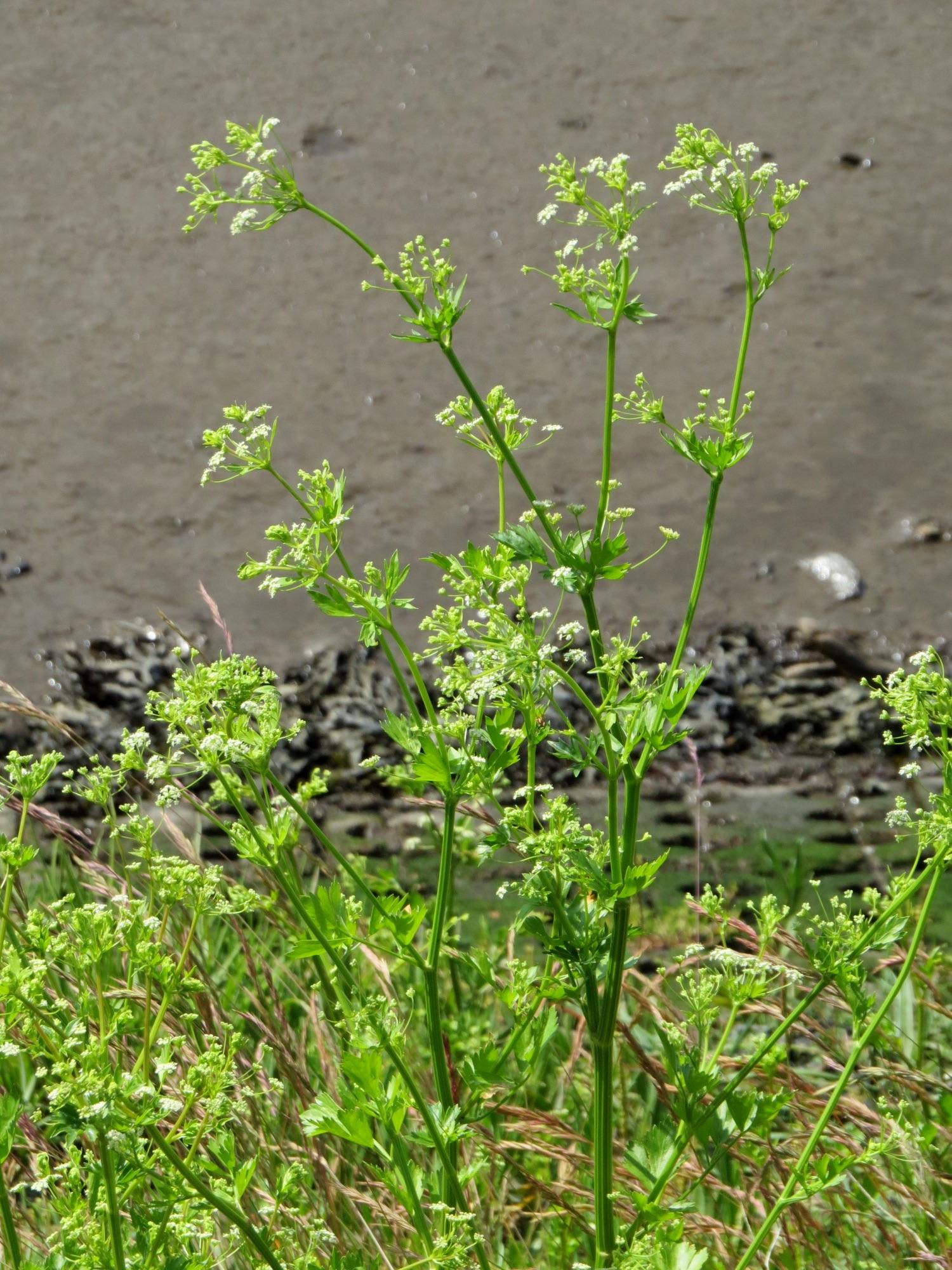
Celery Seed Oleoresin — Standardised to Buyer Specification by GC
Mechotech designs and manufactures turnkey spices oleoresin extraction plants for Celery Seed (Apium graveolens), processing dried, cleaned celery seed into a solvent-extracted oleoresin carrying the seed's characteristic volatile-oil constituents — principally the phthalide compound sedanolide and the terpenes apiol and limonene, which together define celery seed's distinctive aroma and flavour profile. Unlike a single-marker oleoresin, celery seed oleoresin is not conventionally traded against one fixed percentage; instead each batch is assayed by gas chromatography for its characteristic terpene/phthalide profile and standardised to the buyer's own specification, whether that buyer is sourcing for flavour intensity, aroma character, or a defined volatile-oil content band. We supply the complete machinery — seed cleaning, milling, solvent extraction, filtration, vacuum concentration, closed-loop solvent recovery, and GC-based quality control — to convert celery seed into a consistent, specification-matched oleoresin for the food, flavour, and pharmaceutical industries.
Mechotech's Celery Seed oleoresin plant is engineered around the volatile-oil chemistry of Apium graveolens seed, where sedanolide (a phthalide) and terpenes including apiol and limonene together determine the oleoresin's characteristic aroma, and where relative ratios between these constituents — not a single isolated percentage — are what buyers actually specify when sourcing celery seed oleoresin for food and flavour use. Because these constituents are volatile and moderately heat-sensitive, extraction and concentration run under controlled, moderate temperature to limit evaporative loss and oxidative drift, the same processing discipline applied on Mechotech's other completed spices-oleoresin lines (capsicum, coriander). Where a locked numeric standard does not already exist for a given buyer's celery seed grade, Mechotech standardises the finished oleoresin qualitatively — assayed by GC for its characteristic terpene/phthalide content and blended to the buyer's declared specification — rather than publishing an invented percentage. This line is positioned around the oleoresin (solvent-extraction) product route; buyers requiring a solvent-free celery seed essential oil should review Mechotech's separate distillation-based product lines. Built in SS 316L with electropolished product-contact surfaces, PLC-SCADA automation and full batch documentation, each plant is delivered as a commissioned, performance-verified turnkey system under GMP norms.
Technical Specifications
| Product | Celery Seed Oleoresin Extraction Plant |
|---|---|
| Botanical Name | Apium graveolens |
| Raw Material | Dried, cleaned celery seed |
| Plant Part | Seed (fruit) |
| Extract Type | Oleoresin (viscous liquid concentrate) |
| Standardization | Assayed by GC for characteristic terpene/phthalide content (apiol, limonene, sedanolide); standardised to buyer specification rather than a single fixed percentage |
| Extraction Method | Solvent extraction — food-grade solvent (ethanol/hexane-class or approved alternative) in closed, jacketed SS 316L extractors |
| Product-contact Material | SS 316L, electropolished, CIP-cleanable |
| Filtration System | Plate-and-frame filter press with cartridge polish filtration |
| Concentration System | Falling-film / low-temperature vacuum evaporator with closed-loop solvent recovery |
| Drying System | Not applicable for the liquid oleoresin grade; carrier-based powder available on request |
| Automation | PLC-SCADA with recipe management, batch traceability and production reporting |
| Plant Capacity | Configured to requirement — 100 kg/batch pilot to 2,000+ kg/batch commercial |
| Utility Requirements | Steam, chilled/cooling water, compressed air, soft water, power (project-specific) |
| Compliance | GMP, WHO-GMP, Schedule M, HACCP; USFDA-ready hygienic design |
| Final Product Form | Standardised liquid oleoresin (carrier-based powder available on request) |
Plant Capacities
| Plant Scale | Seed Throughput | Typical Use |
|---|---|---|
| Pilot | 100 kg/batch | Grade development, GC-profile validation against buyer specification |
| Semi-Commercial | 500–1,000 kg/batch | Contract manufacturing, buyer sample runs |
| Commercial | 2,000+ kg/batch | Export-grade continuous production |
Capacity is configured to raw-material supply and confirmed buyer volume; we recommend a pilot plant to validate the target GC profile before scaling, since seed origin, harvest season and storage age all shift starting volatile-oil composition.
Manufacturing Process
Seed Cleaning & Size Reduction
Dried celery seed is cleaned to remove stalk, dust and foreign matter, tested for moisture, and milled to a controlled particle size that opens the seed's oil-bearing tissue without generating excessive fines that would drive off the volatile terpene/phthalide fraction.
Solvent Extraction
Milled seed is charged into closed, jacketed SS 316L extractors and extracted with a food-grade solvent system under controlled, moderate temperature. Solvent selection and cycle count are set to balance efficient recovery of the volatile-oil fraction against the risk of co-extracting undesirable non-volatile seed matter that would dilute aroma character.
Solid-Liquid Separation & Filtration
The extract (miscella) is clarified through a plate-and-frame filter press followed by cartridge polish filters, removing spent seed marc ahead of concentration.
Low-Temperature Vacuum Concentration
The filtered miscella is concentrated in a falling-film / vacuum evaporator under reduced pressure and tightly controlled, low temperature, since sedanolide, apiol and limonene are volatile and can be lost or oxidised under excess heat — the same dual-extraction discipline applied on Mechotech's other spices-oleoresin lines.
Solvent Recovery
A closed-loop recovery system condenses and recycles the extraction solvent back into production, cutting operating cost and CPCB discharge load.
GC Profiling & Standardisation to Buyer Specification
The concentrate is assayed by gas chromatography for its characteristic terpene/phthalide profile (apiol, limonene, sedanolide) and blended across lots to match the buyer's declared specification — whether that is a defined volatile-oil content band, a flavour-intensity target, or a fixed aroma-character profile — rather than a single generic percentage.
Final Quality Control & Packing
The standardised Celery Seed oleoresin is released after GC assay against the buyer's specification, residual-solvent, heavy-metal, microbial, and moisture testing with full certificate-of-analysis documentation, then packed under nitrogen blanketing where required to protect the volatile fraction in storage.
Major Plant Equipment
- Seed cleaning and destoning system
- Cracking mill / hammer mill (controlled size reduction)
- Stainless-steel jacketed solvent extraction vessels (SS 316L)
- Solvent storage tanks
- Solvent transfer pumps
- Plate heat exchangers
- Plate-and-frame filter press / pressure leaf filter
- Cartridge polish filters
- Falling-film / low-temperature vacuum evaporator
- Closed-loop solvent recovery system
- Condensers & vacuum pumps
- Gas chromatography (GC) quality-control laboratory setup
- Standardisation/blending vessel
- Nitrogen-blanketing/inert packing line
- CIP (clean-in-place) system
- PLC-SCADA control panel, electrical MCC & instrumentation
Plant Output
From Plant to Product
Celery Seed Extract
This botanical is also in the product range of Sureka Life Sciences, our sister concern in botanical ingredients.
Applications
- Food, snack-seasoning, and processed-meat flavour applications
- Beverage and savoury-product manufacturing requiring standardised celery note
- Pharmaceutical standardised ingredient supply (traditional anti-inflammatory/diuretic positioning, structure/function only)
- Nutraceutical capsule and tablet manufacturing
- Cosmetic and personal-care active ingredient supply
- Export to regulated-market ingredient buyers requiring GC-verified profile documentation
Key Features
GMP-Compliant SS 316L Construction
Electropolished SS 316L product-contact surfaces meet WHO-GMP and Schedule M requirements, with CIP operation between batches.
GC-Verified Standardisation to Buyer Specification
Rather than a single fixed percentage, in-process and batch-release gas chromatography assay hold the finished oleoresin's terpene/phthalide profile within the buyer's own declared specification — matching how celery seed oleoresin is actually traded.
Low-Temperature Processing to Protect Volatile Aroma Compounds
Extraction and concentration both run at controlled, moderate temperature specifically to limit evaporative loss and oxidative drift of sedanolide, apiol and limonene.
Closed-Loop Solvent Recovery
Integrated recovery returns extraction solvent for reuse, cutting operating cost and meeting CPCB discharge norms.
Nitrogen-Blanketed Packing Option
Optional inert packing protects the volatile terpene/phthalide fraction from oxidative degradation between production and end use.
Scalable Batch Capacity
Plants are configured from 100 kg/batch pilot scale to 2,000+ kg/batch commercial capacity with modular expansion.
Frequently Asked Questions
Does Mechotech supply the complete machinery for Celery Seed Oleoresin?
Why doesn't the Celery Seed Oleoresin specification list a single fixed percentage the way some other oleoresins do?
What compounds define Celery Seed Oleoresin's aroma, and why do they matter for processing?
What raw material and plant part is used for Celery Seed Oleoresin?
Does Celery Seed Oleoresin carry any traditional or functional positioning?
What production capacities are available for the Celery Seed Oleoresin plant?
How does Celery Seed Oleoresin differ from Mechotech's other spices-oleoresin lines like Capsicum and Coriander?
What is the typical cost and delivery timeline for a Celery Seed Oleoresin plant?
Ready to discuss your project?
Get a free quote and technical consultation from our engineering team.