Indian Sandalwood — Heartwood
Indian Sandalwood — Heartwood
Purity Levels
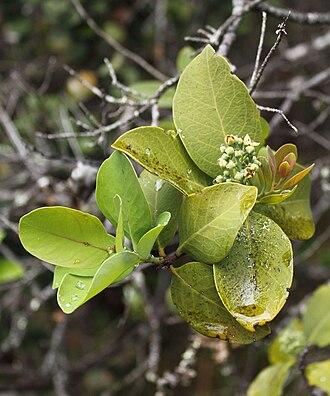
Heartwood (Santalum album) — santalol-rich sesquiterpenoid oil (alpha- and beta-santalol)
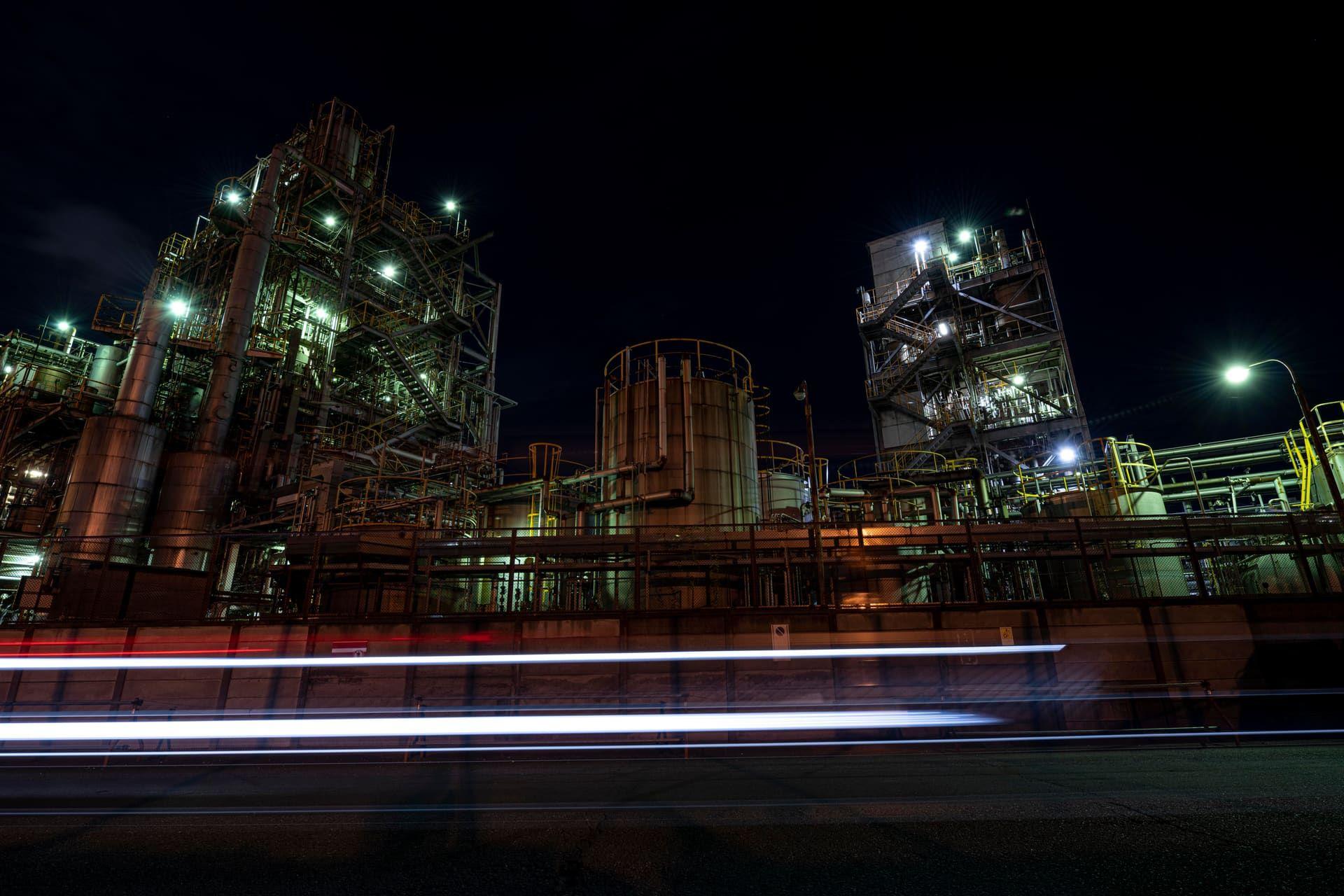
Mechotech designs and manufactures turnkey wood/bark distillation plants for Indian Sandalwood (Santalum album), a heartwood-based oil that demands substantially different handling from leaf, flower, or even root oils: the aromatic oil lies deep within the dense, mature heartwood rather than the bark or sapwood, so the tree's wood must first be reduced to chips or fine powder, then subjected to what is genuinely one of the longest distillation cycles among common essential oils — traditionally many hours to multiple days per batch. As a sandalwood oil extraction plant manufacturer, we supply the complete machinery — heartwood chipping/size reduction, extended-cycle steam/hydro distillation, condensation, and oil-water separation — to process sustainably sourced sandalwood heartwood into an essential oil configured to the client’s target specification for the perfumery, fragrance, and cosmetic industries.
Mechotech's Indian Sandalwood plant is engineered around the specific demands of heartwood processing: unlike leaf or flower oils, sandalwood's santalol-rich oil (alpha- and beta-santalol are the well-documented major aromatic constituents) sits within dense, mature wood tissue that must be mechanically chipped or powdered before the still can access it, and even then the oil releases slowly, requiring a distillation cycle that runs many hours to days per batch in traditional practice — genuinely the longest of common essential-oil distillations, and a real engineering constraint the still, boiler, and utility sizing must accommodate. Santalum album is also a heartwood resource of note in sourcing and export-compliance terms; Mechotech's plant is built for sustainably sourced heartwood, and we recommend buyers confirm current sourcing and export regulations for their target market rather than treat any single sourcing channel as a compliance guarantee. Built in SS 316L with a still sized for extended-duration runs, high-capacity condensation, and PLC-based automation, each plant is delivered as a commissioned, turnkey system suited to sandalwood's uniquely demanding wood-to-oil process.
Technical Specifications
| Product | Indian Sandalwood Heartwood Oil Distillation Plant |
|---|---|
| Botanical Name | Santalum album |
| Raw Material | Mature sandalwood heartwood (chips, billets, or powder) |
| Plant Part | Heartwood (not bark, not sapwood, not leaf) |
| Extract Type | Essential oil (dense, viscous) and hydrosol co-product |
| Oil Chemistry | Santalol-rich sesquiterpenoid oil — alpha- and beta-santalol are well-documented major constituents; qualitative profile, no fabricated assay percentage |
| Extraction Method | Long-cycle hydro-distillation / steam distillation following heartwood size reduction |
| Product-contact Material | SS 316L, CIP-cleanable |
| Wood Preparation | Mechanical chipping and/or powdering of mature heartwood to expose oil-bearing tissue ahead of charging |
| Distillation Cycle | Among the longest of common essential oils — traditionally many hours to multiple days per batch, driven by the oil's depth within dense heartwood tissue |
| Condensation & Separation | Multi-tube condenser with chilled-water circulation; stainless-steel Florentine flask for oil-water separation |
| Sourcing Note | Sustainably sourced heartwood; buyers should confirm current sourcing/export regulations for their target market |
| Automation | Configurable — manual, semi-automatic or fully automatic PLC-SCADA |
| Plant Capacity | Configured to requirement |
| Utility Requirements | Steam, chilled/cooling water, compressed air, soft water, power (project-specific) |
| Compliance | GMP, ISO, IFRA-aligned hygienic design; export documentation support |
| Final Product Form | Dense, viscous essential oil plus recoverable hydrosol |
Plant Capacities
| Plant Scale | Heartwood Throughput | Typical Use |
|---|---|---|
| Pilot | Configured to your feedstock and trial plan | Chip-size and cycle-duration validation on new heartwood lots |
| Semi-Commercial | Configured between pilot and commercial scale | Contract distillation, perfumery-house sample runs |
| Commercial | Configured to raw-material supply and confirmed buyer volume | Export-grade continuous sandalwood oil production |
Because sandalwood's distillation cycle runs many hours to multiple days per batch — far longer than any leaf, flower, or even root oil in Mechotech's range — throughput planning should size still count and cycle duration together, not batch weight alone; we recommend a pilot run to confirm optimum chip size and cycle length for your heartwood lot before committing to commercial-scale still sizing.
Manufacturing Process
Heartwood Reception & Size Reduction
Mature sandalwood heartwood — billets, offcuts, or roots retained from sustainably sourced trees — is mechanically chipped and, where finer recovery is targeted, further reduced to powder. This size-reduction step is essential and unique to wood-based distillation: unlike leaf or flower material, dense heartwood will not release its oil at commercially viable rates without being broken down to expose internal oil-bearing tissue.
Charging & Long-Cycle Distillation
The chipped or powdered heartwood charge is loaded into the SS 316L still and distilled by steam or hydro-distillation. Santalol-class sesquiterpenoids are deeply embedded in the wood's dense cellular structure, so full oil recovery traditionally requires a distillation cycle running many hours to multiple days per batch — genuinely the longest cycle among common essential oils, and a real constraint the still and boiler capacity must be sized around rather than compressed.
Condensation
Vapours pass through a high-capacity multi-tube condenser with chilled-water circulation, sized to sustain steady output over the extended run duration without interruption.
Oil–Water Separation
Condensate is separated in a stainless-steel Florentine flask. Sandalwood oil is dense and notably viscous, so separator residence time is tuned to fully resolve the oil from the hydrosol across the long run; the hydrosol is drawn off and can be recovered as a co-product.
Polishing & Drying
The crude oil is polish-filtered and dried over anhydrous sodium sulphate (or by vacuum) to remove residual moisture, with filtration staging adjusted for the oil's higher viscosity.
Quality Control
Each batch of sandalwood oil is verified by GC-MS profiling of its santalol (alpha- and beta-santalol) fraction alongside physical parameters (specific gravity, refractive index, optical rotation) before release.
Major Plant Equipment
- Heartwood reception, chipping & powdering system
- SS 316L extended-cycle distillation still
- Steam generator / boiler interface (sized for multi-day runs)
- High-capacity multi-tube condenser (chilled-water circulation)
- Stainless-steel Florentine oil-water separator
- Polish filtration & drying system
- Hydrosol collection tanks
- Essential-oil storage & drum-filling station
- CIP (clean-in-place) system
- PLC-SCADA automation, electrical MCC & instrumentation
Plant Output
From Plant to Product
Indian Sandal Wood Distillation
This botanical is also in the product range of Sureka Life Sciences, our sister concern in botanical ingredients.
Applications
- Fine fragrance and perfumery base-note applications
- Cosmetic and personal-care actives
- Aromatherapy and wellness formulations
- Ayurvedic and traditional medicine preparations
- Incense and traditional fragrance preparations
- Export to regulated-market perfumery and fragrance buyers
Key Features
Heartwood Chipping & Size Reduction
Dedicated mechanical chipping/powdering capacity ahead of the still, essential for exposing oil-bearing tissue in dense heartwood — a pre-treatment step not required for leaf or flower feedstock.
Extended-Cycle Still Engineering
The still, boiler, and utility sizing are configured for sandalwood's genuinely long distillation cycle — many hours to multiple days per batch — the longest among Mechotech's common essential-oil distillation lines.
SS 316L Construction
All product-contact surfaces are SS 316L for corrosion resistance and product purity, with CIP capability between batches.
Viscous-Oil Separation Tuning
Florentine flask geometry and residence time are tuned for sandalwood oil's density and viscosity, ensuring clean oil-water resolution across the extended run.
Hydrosol Recovery
Integrated separation allows recovery of the aromatic hydrosol as a co-product.
Scalable Capacity
Plants are configured from pilot to commercial heartwood throughput, with still count and cycle duration planned together for realistic production output.
Frequently Asked Questions
Why does sandalwood oil take so much longer to distil than most essential oils?
Why must sandalwood be chipped or powdered before distillation?
Does Mechotech supply the complete machinery for Indian Sandalwood oil distillation?
Are there sourcing or export considerations specific to Indian Sandalwood?
How is sandalwood's distillation process different from leaf-based oils like geranium?
What production capacities are available for the Indian Sandalwood oil plant?
Which industries use sandalwood oil, and what quality control is applied?
Does the age of the sandalwood tree affect the oil that comes out of the still?
Does Mechotech list other pages for the same raw material?
Ready to discuss your project?
Get a free quote and technical consultation from our engineering team.