Rose Concrete & Absolute
Rose Concrete & Absolute
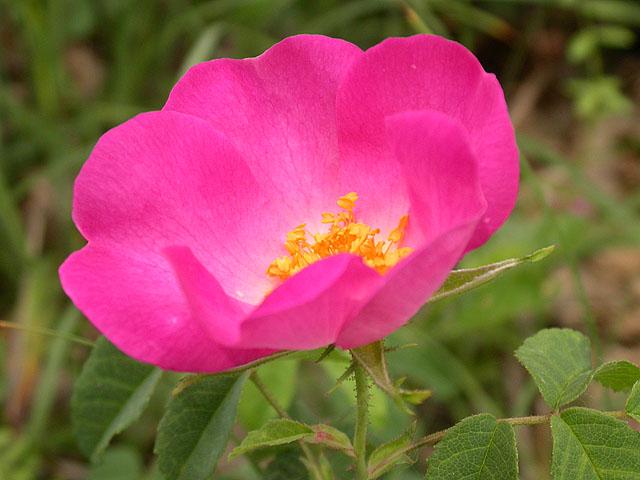
Mechotech designs and manufactures turnkey floral concrete & absolute extraction plants for Rose. The product tree lists the entry as Rose under Floral Concrete & Absolute Extraction Plants. Mechotech’s legacy page for the Rose Concrete & Absolute Extraction Plant describes rose concrete and absolute from Rosa damascena and Rosa centifolia, using food-grade hexane maceration followed by ethanol washing, and names citronellol, geraniol and nerol as the defining aromatic compounds. The Sureka Life Sciences (SLS) catalogue lists a Rose Extract with Rosa as the botanical source and citronellol as the offering grade, and separate Rose Concrete and Rose Absolute entries from Rosa Damascena. This page is the solvent-extraction route; the rose flower distillation route (rose otto and rose water) is on a separate page.
Mechotech’s Rose plant is configured around the raw material and the target extract. It is built in SS 316L with integrated solvent recovery, automation and full documentation, and is delivered as a commissioned turnkey system. Mechotech’s legacy page describes fresh petals macerated in food-grade hexane, filtration of the miscella, vacuum evaporation to a concrete, washing of the concrete with ethanol to remove waxes, and chilling and recovery of the absolute. The solvent, conditions and the concrete or absolute grade for a given project are established during process development and pilot validation.
Technical Specifications
| Product | Rose Concrete and Absolute Extraction Plant |
|---|---|
| Raw Material | Rose flowers (fresh petals) |
| Botanical Name | Rosa damascena and Rosa centifolia (per Mechotech’s legacy page for the Rose Concrete & Absolute Extraction Plant); the Sureka Life Sciences catalogue lists Rosa, and Rosa Damascena for its concrete and absolute entries |
| Plant Part / Feed Form | Flower (fresh petals), as the legacy page describes them; the exact form and the time between picking and extraction are confirmed with the client |
| Defining Compounds | Citronellol, geraniol and nerol (per the legacy page, which gives citronellol 25–40% and geraniol 10–22% as legacy-page figures); the Sureka Life Sciences catalogue lists citronellol for its Rose Extract and phenyl ethyl alcohol for its Rose Concrete and Rose Absolute |
| Product Category | Floral Concrete & Absolute Extraction Plants |
| Extract Type | Rose concrete and rose absolute (per the legacy page) |
| Extraction Method | Food-grade hexane maceration, then ethanol washing of the concrete to absolute (per the legacy page); route confirmed during process development |
| Product-contact Material | SS 316L |
| Filtration | Miscella filtration; plate-and-frame filter press with cartridge polish filters |
| Concentration | Vacuum evaporation to concrete at low temperature, with solvent recovery |
| Absolute Isolation | Ethanol washing of the concrete, chilling and filtration to remove waxes |
| Automation | PLC-based |
| Plant Capacity | Configured to requirement |
| Utility Requirements | Steam, chilled/cooling water, compressed air and power (project-specific) |
| Compliance | GMP hygienic design; hazardous-area design for the flammable-solvent zone, defined with the client; full documentation for qualification |
| Final Product Form | Rose concrete or rose absolute, per specification |
Plant Capacities
| Plant Scale | Raw Material Throughput | Typical Use |
|---|---|---|
| Pilot | Configured to your feedstock and trial plan | Product development, parameter validation |
| Semi-Commercial | Configured between pilot and commercial scale | Scale-up trials, contract manufacturing |
| Commercial | Configured to raw-material supply and confirmed buyer volume | Commercial production |
Capacity is configured to raw-material supply, confirmed buyer volume and investment timeline; a pilot plant is recommended to validate parameters before scaling.
Manufacturing Process
Fresh Flower Collection & Quality Inspection
Fresh rose petals are collected and inspected on receipt, then sorted and cleaned of stalks and debris; the legacy page treats the flowers as fresh material, so the time between picking and extraction and the handling are set with the client.
Solvent Extraction (Maceration)
The petals are macerated in food-grade hexane in closed jacketed SS 316L vessels, which dissolves the aromatic compounds together with natural plant waxes. The solvent, the contact time and the temperature are set during process development.
Miscella Filtration
The solvent solution (miscella) is separated from the spent petals and clarified through a plate-and-frame filter press and cartridge polish filters.
Vacuum Evaporation to Concrete
The miscella is concentrated under vacuum at low temperature in a falling-film / vacuum evaporator, with the solvent recovered through the condenser return system. The legacy page describes low-temperature evaporation as the way to preserve heat-sensitive top-note compounds; the residue is the rose concrete, a waxy solid carrying both aroma compounds and plant waxes.
Alcohol Washing (Absolute Isolation)
The concrete is washed with ethanol, which dissolves the aromatic fraction and leaves the waxes behind, according to the legacy page. The washing is carried out in a closed vessel with temperature control; the ethanol grade and ratio are set during process development.
Chilling, Absolute Recovery & Quality Control
The ethanol solution is chilled and filtered to remove the precipitated waxes, and the ethanol is stripped and recovered to leave the absolute. Each batch is sampled for GC-MS profile and physical parameters against the client’s specification before release.
Major Plant Equipment
- Flower receiving, sorting and cleaning system
- Closed jacketed SS 316L extraction (maceration) vessels
- Solvent storage tanks (hexane and ethanol)
- Plate-and-frame filter press
- Cartridge polish filtration
- Falling-film / vacuum evaporator
- Solvent recovery unit and condensers
- Concrete receiving vessel
- Ethanol washing, chilling and wax-filtration system
- Absolute concentration and recovery unit
- CIP system
- Hazardous-area electrical equipment and solvent-vapour monitoring (defined with the client)
- PLC-based automation and instrumentation
Plant Output
From Plant to Product
Rose Extract
This botanical is also in the product range of Sureka Life Sciences, our sister concern in botanical ingredients.
Applications
- Fine perfumery (rose absolute as a base-note fixative, per Mechotech’s legacy page)
- High-end cosmetics and personal care, such as creams, serums and body oils (per the legacy page)
- Aromatherapy and therapeutic blending (per the legacy page)
- Luxury soap, candle and natural fragrance products (per the legacy page)
- Traditional medicine preparations, such as Gulkand and Ittar (per the legacy page)
- Food flavouring in trace quantities, subject to food-grade specification (per the legacy page)
Key Features
SS 316L Construction
Product-contact surfaces are SS 316L for corrosion resistance and product purity, with CIP capability between batches.
Concrete and Absolute on One Line
The legacy page describes the concrete as the intermediate and the absolute as the ethanol-washed product, so the plant is configured to stop at concrete or continue to absolute.
Low-Temperature Vacuum Evaporation
Vacuum evaporation at low temperature protects the heat-sensitive aroma compounds that the legacy page describes as defining rose absolute.
Closed Solvent Circuit with Recovery
A closed extraction and evaporation circuit with condenser-return recovery reuses solvent between batches and limits solvent loss.
Hazardous-Area Design for Solvent Zones
Hexane and ethanol are flammable, so the solvent zone is designed for hazardous-area operation, with the specification defined with the client.
Scalable Capacity
Plants are configured to requirement from pilot scale upward, with modular expansion.
Frequently Asked Questions
Does Mechotech supply the complete machinery for Rose?
What specification can the Rose plant achieve?
What production capacities are available for the Rose plant?
Which industries use the Rose concrete and absolute plant?
Which part of Rose is processed in the extraction plant?
What is the difference between rose concrete and rose absolute?
How is rose absolute produced in the plant?
Which rose species is on this page?
Is residual solvent a consideration?
How does this page differ from the other rose pages?
Can the same plant process other flowers?
Ready to discuss your project?
Get a free quote and technical consultation from our engineering team.