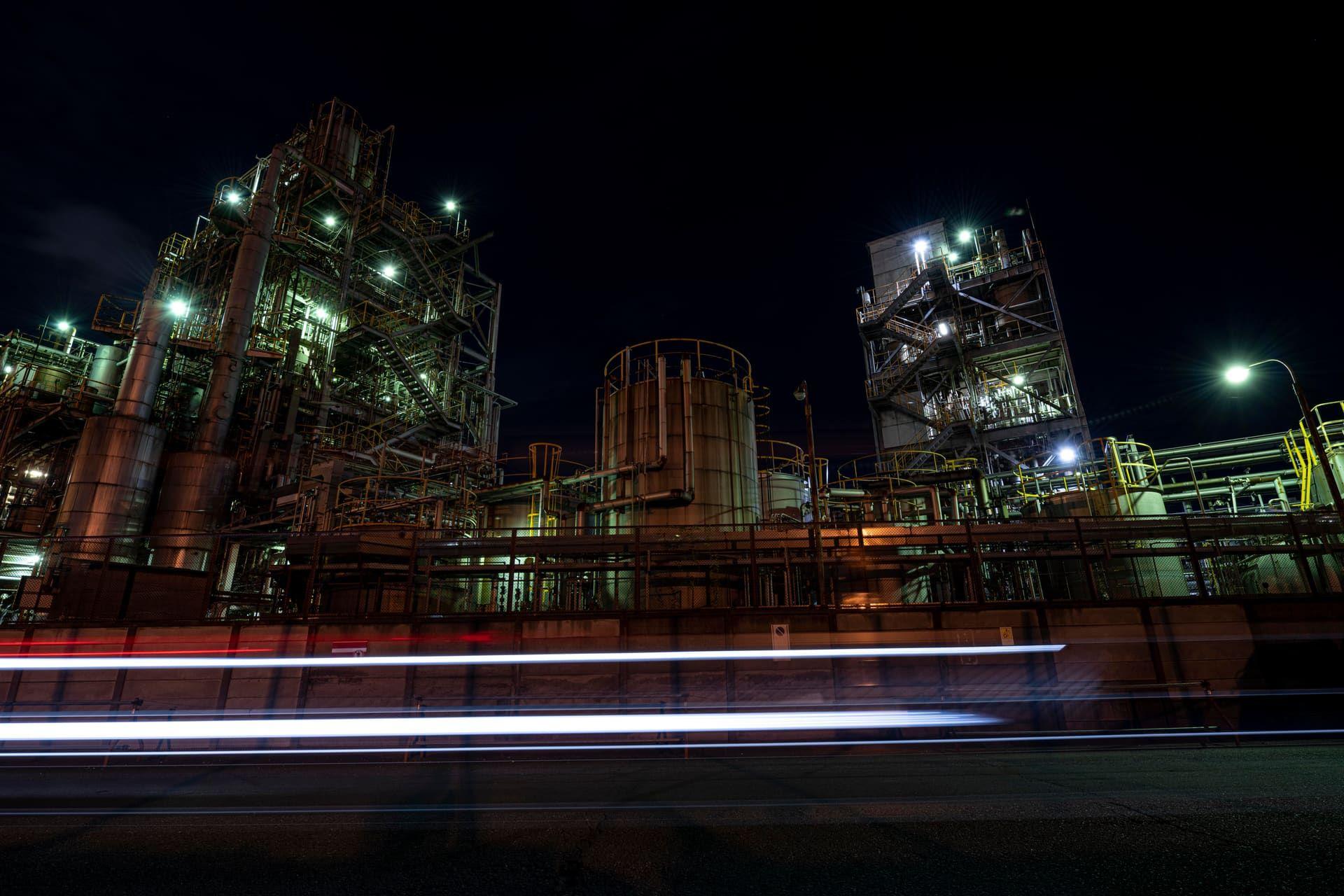
Plant - St. John's Wort / Larkspur
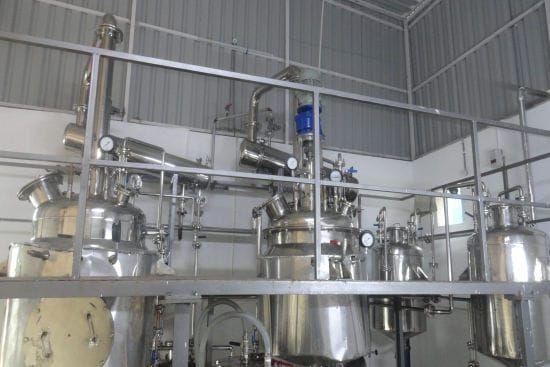
Plant - St. John's Wort / Larkspur
Mechotech designs and manufactures turnkey natural colour extraction plants for St. John’s wort and larkspur. In the Mechotech catalogue, Plant - St. John's Wort / Larkspur is listed in the Yellow Colour group alongside Leaves - Bay Leaves / Tea, Stamens - Saffron, Flowers - MariGold / Queen Annes Lace / Golden Rod, Roots - Turmeric, Innerbark or Shavings - Osage Orange, Skins - Brown Onion and Seeds - Annotto. According to Mechotech’s article on yellow colour extraction from St. John’s wort and larkspur, the flowering tops of St. John’s wort (Hypericum perforatum) and the flowers of larkspur (genus Delphinium) owe their dye colour chiefly to water-soluble flavonoids, including quercetin and kaempferol glycosides, giving warm yellows on wool and silk with a metal mordant. The catalogue does not say whether a project uses one plant or both, or the larkspur species, so these are confirmed with the client.
Mechotech’s Plant - St. John's Wort / Larkspur plant is configured around the raw material and the target colour extract. It is built in SS 316L with integrated solvent recovery, automation and full documentation, and is delivered as a commissioned turnkey system. The article describes aqueous flavonoid extraction: chopped flowering tops simmered in water below boiling to dissolve the flavonoid glycosides into a yellow liquor, strained, then concentrated under gentle vacuum and dried to a flavonoid-rich powder, with temperature and oxygen limited so the polyphenols do not dull. The line is configured for aqueous extraction, solid-liquid separation and vacuum concentration, with final parameters established during process development and pilot validation.
Technical Specifications
| Product | Plant - St. John's Wort / Larkspur Natural Colour Extraction Plant |
|---|---|
| Raw Material | St. John’s wort flowering tops and larkspur flowers (catalogue name: Plant - St. John's Wort / Larkspur) |
| Botanical Name | St. John’s wort: Hypericum perforatum; larkspur: genus Delphinium, species not stated (per Mechotech’s article) |
| Plant Part / Feed Form | St. John’s wort flowering tops and larkspur flowers gathered at full bloom, when flavonoid content peaks; fresh or shade-dried (per the article); chopped before extraction; exact feed forms confirmed with the client |
| Colour Group | Yellow Colour (see the Yellow Colour page) |
| Colour-forming Components | Flavonoids and flavonols, including quercetin and kaempferol glycosides (water-soluble polyphenols); St. John’s wort also carries the red compound hypericin in its dark flower glands (per the article) |
| Process Category | Natural Colour Extraction Plants |
| Extract Type | Natural colour extract (liquid concentrate or dried powder, per specification) |
| Extraction Method | Closed jacketed SS 316L extraction at controlled temperature; hot-water extraction below boiling is the route the article describes, with route and solvent confirmed during process development |
| Product-contact Material | SS 316L |
| Filtration System | Plate-and-frame filter press with cartridge polish filters |
| Concentration System | Falling-film / vacuum evaporator with solvent recovery where a solvent is used |
| Drying System | Spray or vacuum dryer, where a powder is required |
| Automation | PLC-based |
| Plant Capacity | Configured to requirement |
| Utility Requirements | Steam, chilled/cooling water, compressed air and power (project-specific) |
| Compliance | GMP hygienic design; full documentation for qualification |
| Final Product Form | Natural colour extract (yellow colour group) |
Plant Capacities
| Plant Scale | Raw Material Throughput | Typical Use |
|---|---|---|
| Pilot | Configured to your feedstock and trial plan | Product development, parameter validation |
| Semi-Commercial | Configured between pilot and commercial scale | Scale-up trials, contract manufacturing |
| Commercial | Configured to raw-material supply and confirmed buyer volume | Commercial production |
Capacity is configured to raw-material supply, confirmed buyer volume and investment timeline; a pilot plant is recommended to validate parameters before scaling.
Manufacturing Process
Raw Material Preparation
Flowering tops of St. John’s wort and larkspur flowers are authenticated, tested for moisture and chopped. The article gathers them at full bloom and uses them fresh or shade-dried out of direct sun, which preserves the pigments and lets a seasonal harvest be held for year-round processing.
Extraction
The chopped tops are extracted in closed jacketed SS 316L vessels at controlled temperature over several cycles, simmered in water below boiling to dissolve the flavonoid glycosides into a yellow liquor, as the article describes. Gentler or cooler handling favours clear yellow with St. John’s wort; the solvent and conditions are set during process development.
Filtration
The spent plant material is separated from the liquor and the extract is clarified through a plate-and-frame filter press followed by cartridge polish filters.
Concentration & Solvent Recovery
The dilute flavonoid liquor is concentrated in a falling-film / vacuum evaporator under gentle vacuum and with limited oxygen, because the article notes that the polyphenol pigments dull if over-heated or exposed to air.
Standardisation
The concentrate is assayed and adjusted to the declared target colour or marker strength, which the article says extract grades are standardised to, with harvest timing, drying and steep conditions held consistent between batches.
Drying & Quality Control
The standardised extract is supplied as a liquid concentrate or dried to a flavonoid-rich powder, per specification, then released after assay, heavy-metal, microbial and moisture testing.
Major Plant Equipment
- Raw material cleaning, authentication and moisture testing
- Size-reduction system
- Closed jacketed SS 316L extraction vessels
- Solvent storage tanks
- Plate-and-frame filter press
- Cartridge polish filtration
- Falling-film / vacuum evaporator
- Solvent recovery unit and condensers
- Standardisation / blending vessel
- Spray or vacuum dryer
- CIP system
- Automation and instrumentation
Plant Output
Applications
- Natural textile dyeing of wool and silk, the main use the article describes (heritage, craft and natural-fashion markets)
- Natural colour and dye ingredient supply
- Standardised herbal extract from the St. John’s wort feedstock, where the line is also configured for it (per the article)
Key Features
SS 316L Construction
Electropolished SS 316L product-contact surfaces with CIP operation between batches.
Aqueous Flavonoid Extraction
Hot-water extraction below boiling releases the flavonoid glycosides into a yellow liquor, as the article describes.
Mordant and pH-Tuned Palette
The article notes that alum gives clear yellow, iron olive and khaki, copper gold, and pH adjustment fine-tunes the tone; the shade on a given fibre is established in application trials.
Oxygen-Limited Concentration
Gentle vacuum concentration with controlled temperature protects the polyphenol pigments from dulling.
Scalable Batch Capacity
Plants are configured to requirement from pilot scale upward, with modular expansion.
Frequently Asked Questions
Does Mechotech supply the complete machinery for Plant - St. John's Wort / Larkspur?
What specification can the Plant - St. John's Wort / Larkspur plant achieve?
What production capacities are available for the Plant - St. John's Wort / Larkspur plant?
Which industries use the Plant - St. John's Wort / Larkspur plant?
Which plants and plant parts does this page cover?
What gives the yellow colour?
How do mordant and pH change the shade?
Can the same feedstock serve colour and a herbal extract?
How does this page differ from the single-plant St. John’s wort and larkspur pages?
Where does this page sit in the yellow colour range?
Ready to discuss your project?
Get a free quote and technical consultation from our engineering team.