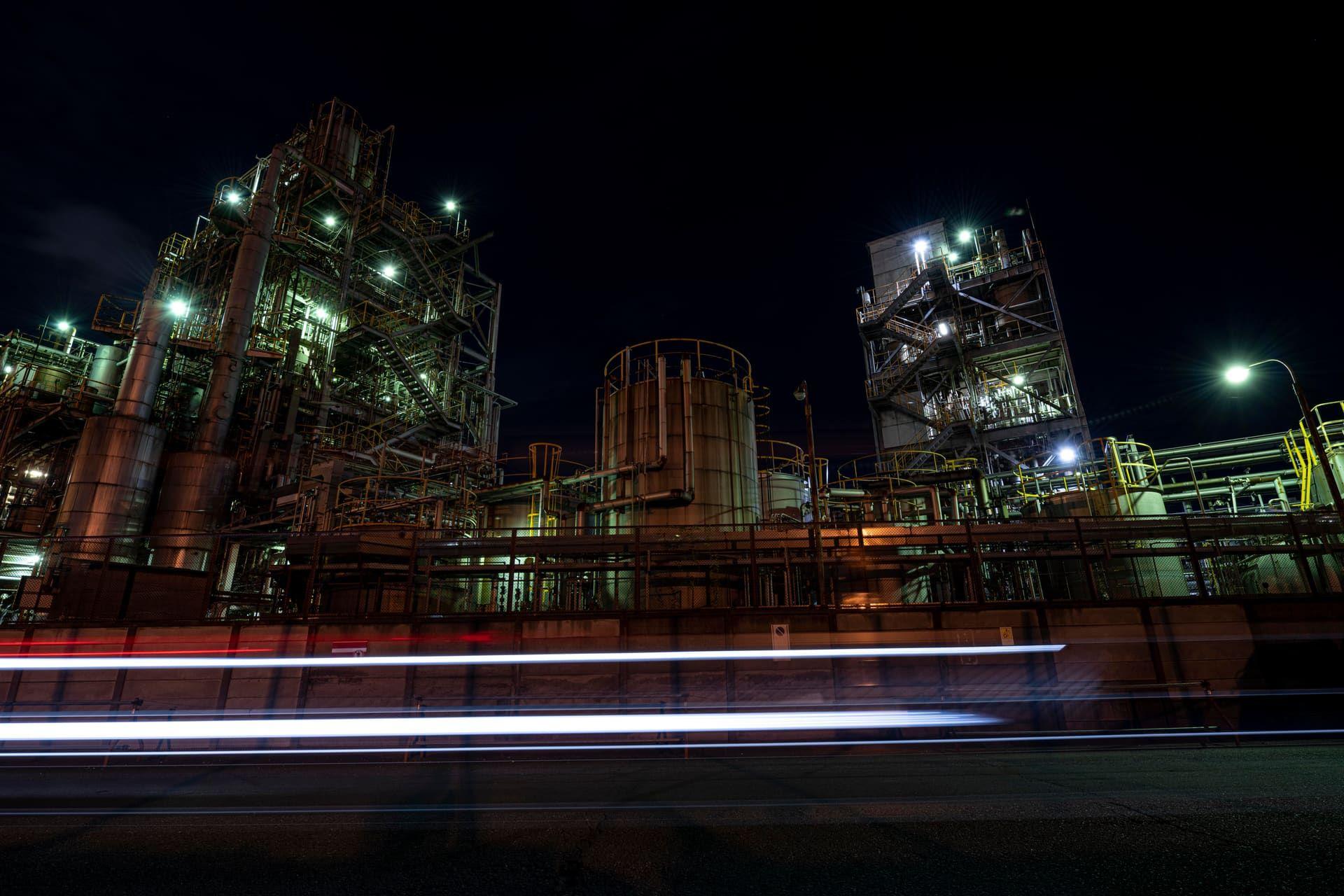
Seeds - Annotto
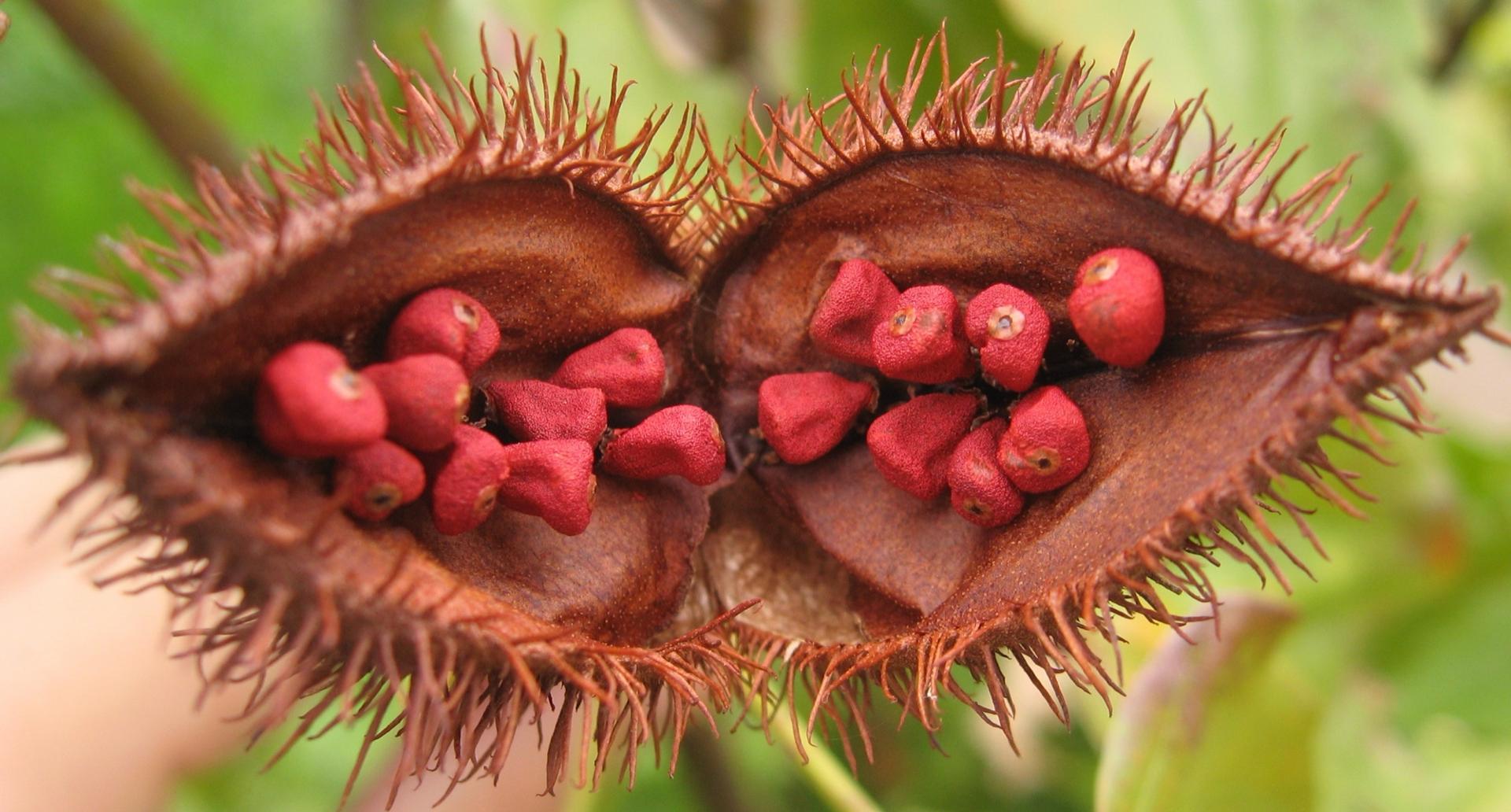
Seeds - Annotto
Mechotech designs and manufactures turnkey natural colour extraction plants for annatto seeds (catalogue spelling: Seeds - Annotto). In the Mechotech catalogue, Seeds - Annotto is listed in the Yellow Colour group alongside leaf, saffron, marigold and goldenrod, St. John’s wort, turmeric, Osage orange and brown onion skin entries. According to Mechotech’s article on yellow colour extraction from annatto seeds, the raw material is the seed of Bixa orellana, and the pigment sits in a thin resinous coating on the seed surface rather than inside the kernel. The principal pigment is bixin, an oil-soluble apocarotenoid that the article puts at roughly 70 to 80 percent of the total pigment; alkaline hydrolysis converts it to norbixin, the water-dispersible form, so one seed can feed an oil-soluble grade and a water-soluble grade. Annatto colour is approved in Europe as E160b. This page is the colour route; the Annatto seed page is a separate herbal extraction product standardised on bixin and nor-bixin.
Mechotech’s Seeds - Annotto plant is configured around the raw material and the target colour extract. It is built in SS 316L with integrated solvent recovery, automation and full documentation, and is delivered as a commissioned turnkey system. The article describes controlled attrition of the seed surface, then either warmed edible vegetable oil to dissolve bixin, or dilute alkali to saponify bixin to norbixin which is acidified, filtered and dried, with food-grade solvents and solvent recovery for higher-strength bixin concentrates, and standardisation to a declared colour value. The route and the grade for a given project are established during process development and pilot validation.
Technical Specifications
| Product | Seeds - Annotto Natural Colour Extraction Plant |
|---|---|
| Raw Material | Annatto seeds (catalogue name: Seeds - Annotto) |
| Botanical Name | Bixa orellana (per Mechotech’s article) |
| Plant Part / Feed Form | Whole seed, with the pigment in the thin resinous coating on the seed surface; the kernel is kept intact (per the article) |
| Colour Group | Yellow Colour (see the Yellow Colour page) |
| Colour-forming Components | Bixin (oil-soluble apocarotenoid, roughly 70 to 80 percent of the pigment, per the article) and norbixin (water-dispersible form made by alkaline hydrolysis); sensitive to heat, light and oxygen |
| Process Category | Natural Colour Extraction Plants |
| Extract Type | Natural colour extract (bixin or norbixin grade, as an oil suspension, liquid or powder, per specification) |
| Extraction Method | Controlled surface attrition, then oil extraction of bixin, or dilute-alkali saponification to norbixin followed by acidification, filtration and drying; food-grade solvents with recovery for higher-strength bixin concentrates (per the article); route confirmed during process development |
| Product-contact Material | SS 316L |
| Filtration System | Plate-and-frame filter press with cartridge polish filters |
| Concentration System | Falling-film / vacuum evaporator with solvent recovery where a solvent is used |
| Drying System | Spray or vacuum dryer, where a powder is required |
| Automation | PLC-based |
| Plant Capacity | Configured to requirement |
| Utility Requirements | Steam, chilled/cooling water, compressed air and power (project-specific) |
| Compliance | GMP hygienic design; full documentation for qualification |
| Final Product Form | Natural colour extract (yellow colour group): oil-soluble bixin or water-soluble norbixin grade, per specification |
Plant Capacities
| Plant Scale | Raw Material Throughput | Typical Use |
|---|---|---|
| Pilot | Configured to your feedstock and trial plan | Product development, parameter validation |
| Semi-Commercial | Configured between pilot and commercial scale | Scale-up trials, contract manufacturing |
| Commercial | Configured to raw-material supply and confirmed buyer volume | Commercial production |
Capacity is configured to raw-material supply, confirmed buyer volume and investment timeline; a pilot plant is recommended to validate parameters before scaling.
Manufacturing Process
Raw Material Preparation & Attrition
Seeds are cleaned and the pigment layer is stripped by gentle abrasion or agitation of the seeds in a liquid medium, without fracturing the oily kernel; the article notes that fracturing the kernel releases seed lipids that contaminate the colour and complicate purification, so attrition is controlled to remove only the surface resin.
Extraction
For fat-based applications the seeds are suspended in warmed edible vegetable oil, which dissolves the lipophilic bixin directly. For aqueous systems the seeds are treated with dilute alkali (potassium or sodium hydroxide), which saponifies the bixin methyl ester to the water-soluble norbixin salt. The route is chosen at the start of the process; conditions are set during process development.
Filtration & Separation
The pigmented oil is separated from the seeds, or the alkaline liquor is clarified; for norbixin the clarified liquor is acidified to precipitate norbixin, which is then filtered. Plate-and-frame and cartridge filtration clarify the streams.
Concentration & Solvent Recovery
Higher-strength bixin concentrates are produced with food-grade solvents followed by solvent recovery, as the article describes; a falling-film / vacuum evaporator with condenser-return recovery concentrates solvent streams where a solvent is used.
Standardisation
The extract is standardised to a declared colour value (the article notes colour value measured spectrophotometrically near 450 to 503 nm, or percent bixin) and blended to a consistent hue.
Drying & Quality Control
The norbixin is dried and, for bixin concentrates, solvent is removed and the product dried to a powder where required. Batches are tested for pigment strength, residual solvent and microbial quality before release. Because the pigments are conjugated polyenes, the article notes gentle processing and rapid drying preserve strength.
Major Plant Equipment
- Seed cleaning and moisture testing
- Attrition (seed-surface abrasion) vessel
- Closed jacketed SS 316L extraction vessels
- Alkali dosing and pH-control system (norbixin route)
- Oil storage and warming system (bixin oil route)
- Plate-and-frame filter press
- Cartridge polish filtration
- Falling-film / vacuum evaporator
- Solvent recovery unit and condensers
- Standardisation / blending vessel
- Spray or vacuum dryer
- CIP system
- Automation and instrumentation
Plant Output
Case Study
Annatto Natural Colour Extraction Plant
See how this plant was engineered and delivered for a real project.
Applications
- Oil-soluble bixin grade for butter, margarine, bakery fats and snack seasonings (per the article)
- Water-soluble norbixin grade for cheese, dairy and beverage colours (per the article)
- Replacement of synthetic sunset-yellow and tartrazine shades in clean-label reformulation (per the article)
- Cosmetic colour applications (per the article)
- Traditional natural dyeing of cotton, silk and wool in yellow to orange shades, mainly artisanal because of moderate light-fastness (per the article)
Key Features
SS 316L Construction
Electropolished SS 316L product-contact surfaces with CIP operation between batches.
One Seed, Two Pigment Grades
Oil-soluble bixin and water-soluble norbixin come from the same seed, so the plant is configured for the grade or grades the client wants, with the stages kept separate.
Gentle Seed-Coat Attrition
Controlled surface attrition removes only the pigment resin and keeps the oily kernel intact, which the article says gives a cleaner, brighter colour.
Heat-, Light- and Oxygen-Aware Processing
Controlled temperature, closed handling and rapid drying protect the conjugated pigments, as the article describes.
Standardised on Colour Value
Each batch is standardised to a declared colour value and tested for pigment strength, residual solvent and microbial quality.
Scalable Batch Capacity
Plants are configured to requirement from pilot scale upward, with modular expansion.
Frequently Asked Questions
Does Mechotech supply the complete machinery for Seeds - Annotto?
What specification can the Seeds - Annotto plant achieve?
What production capacities are available for the Seeds - Annotto plant?
Which industries use the Seeds - Annotto plant?
Which part of annatto is processed?
What is the difference between bixin and norbixin?
How is the colour recovered without crushing the seed?
Is annatto colour approved for food?
Can annatto be used as a textile dye?
How does this page differ from the Annatto seed page?
Is there a related Mechotech case study?
Where does this page sit in the Yellow Colour range?
Ready to discuss your project?
Get a free quote and technical consultation from our engineering team.