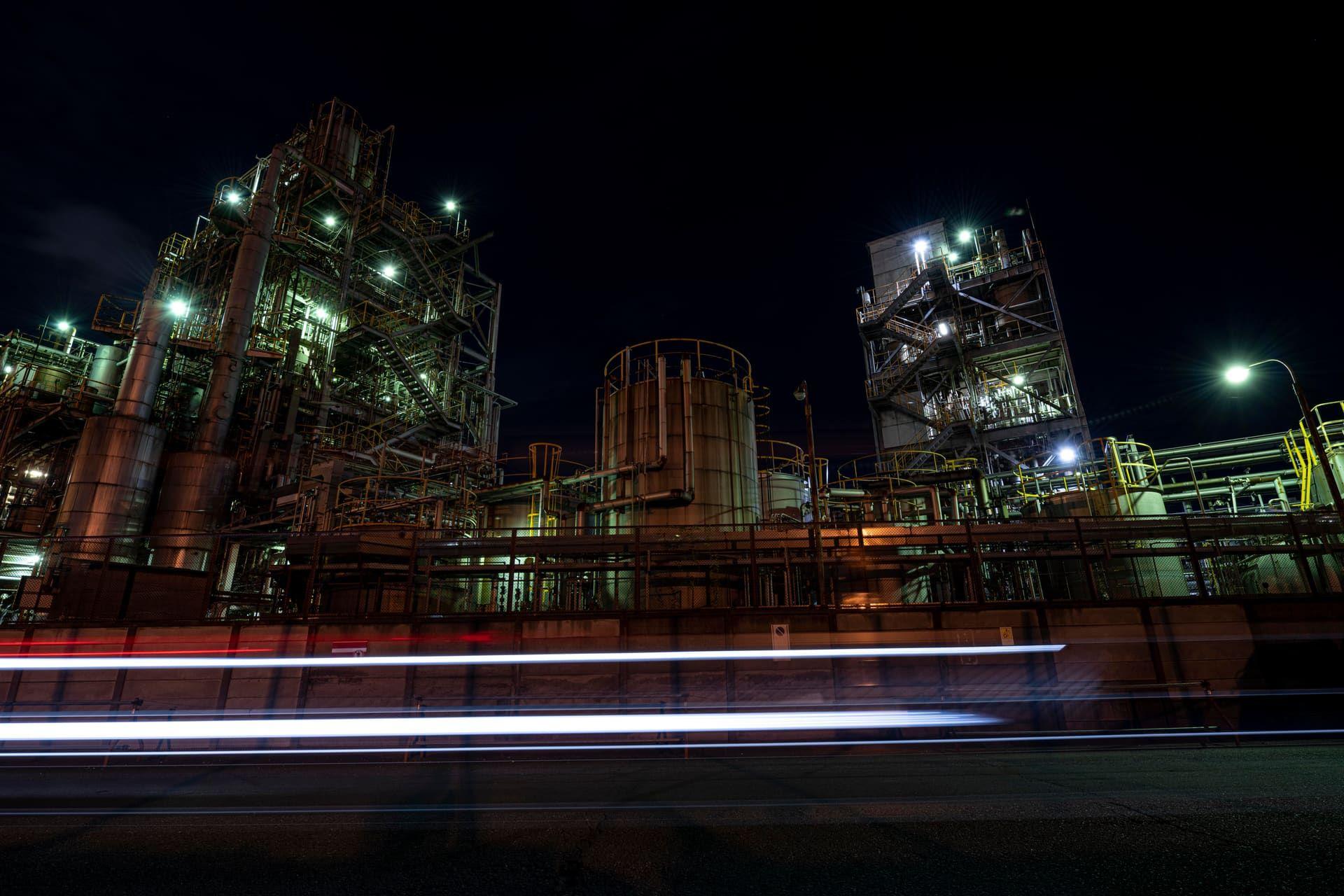
Roots - Dandelion
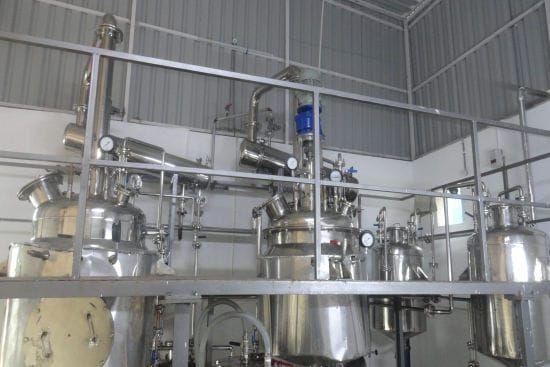
Roots - Dandelion
Mechotech designs and manufactures turnkey natural colour extraction plants for dandelion root. In the Mechotech catalogue, Roots - Dandelion is listed in the Brown Colour group alongside Bark - Oak Bark / Birch, Hulls - Walnut, Grinds - Coffee, Plant - Yellow Dock, Woody Stems - Ivy, Shoots - Golden Rod and Leaves - Tea / Sumac. According to Mechotech’s article on brown colour extraction from dandelion roots, the plant is Taraxacum officinale, and the thick taproot carries tannins and phenolic acids (the article names chlorogenic and caffeic acid) that give a pale to medium brown in water; roasting the root drives browning reactions that deepen the colour to a coffee-like brown through melanoidin-type pigments, so the roast level sets the shade, from amber and golden brown to deep chocolate brown. Because the coloured species are tannins and browning polymers rather than anthocyanins, the article describes the colour as stable across a wide pH range and tolerant of heat. This page is the colour route; the dandelion extract powder page is a separate extract-powder product.
Mechotech’s Roots - Dandelion plant is configured around the raw material and the target colour extract. It is built in SS 316L with integrated automation and full documentation, and is delivered as a commissioned turnkey system. The article describes a roast-then-extract route: washed, trimmed and chopped taproot is dried, roasted at a controlled temperature to develop the colour, ground and extracted with hot water at 70 to 95 degrees Celsius, with a second pass over the spent root, followed by pressing, filtration, vacuum concentration and either a liquid concentrate or spray drying with a carrier such as maltodextrin, standardised to a colour value. The roast level, extraction conditions and finishing form for a given project are established during process development and pilot validation.
Technical Specifications
| Product | Roots - Dandelion Natural Colour Extraction Plant |
|---|---|
| Raw Material | Dandelion roots (catalogue name: Roots - Dandelion) |
| Botanical Name | Taraxacum officinale (per Mechotech’s article) |
| Plant Part / Feed Form | Thick taproot, washed to remove soil, trimmed and chopped, dried and roasted before extraction (per the article); the exact feed form and roast level are confirmed with the client |
| Colour Group | Brown Colour (see the Brown Colour page) |
| Colour-forming Components | Tannins and phenolic acids (the article names chlorogenic and caffeic acid) and, after roasting, melanoidin-type browning pigments; pH-stable and heat-tolerant, not an anthocyanin colour (per the article) |
| Process Category | Natural Colour Extraction Plants |
| Extract Type | Natural colour extract (liquid concentrate or dried powder, per specification) |
| Extraction Method | Hot-water extraction of the roasted, ground root in closed jacketed SS 316L vessels (the article gives 70 to 95 degrees Celsius) with a second pass over the spent root; route confirmed during process development |
| Product-contact Material | SS 316L |
| Filtration System | Plate-and-frame filter press with cartridge polish filters |
| Concentration System | Falling-film / vacuum evaporator with solvent recovery where a solvent is used |
| Drying System | Spray or vacuum dryer, where a powder is required |
| Automation | PLC-based |
| Plant Capacity | Configured to requirement |
| Utility Requirements | Steam, chilled/cooling water, compressed air and power (project-specific) |
| Compliance | GMP hygienic design; full documentation for qualification |
| Final Product Form | Natural colour extract (brown colour group) |
Plant Capacities
| Plant Scale | Raw Material Throughput | Typical Use |
|---|---|---|
| Pilot | Configured to your feedstock and trial plan | Product development, parameter validation |
| Semi-Commercial | Configured between pilot and commercial scale | Scale-up trials, contract manufacturing |
| Commercial | Configured to raw-material supply and confirmed buyer volume | Commercial production |
Capacity is configured to raw-material supply, confirmed buyer volume and investment timeline; a pilot plant is recommended to validate parameters before scaling.
Manufacturing Process
Raw Material Preparation
Harvested taproots are washed to remove soil, trimmed and chopped; the article stresses thorough cleaning because the root is fibrous and carries field soil. The chopped root is dried to a stable moisture level so it can be roasted evenly.
Roasting to Develop Colour
The dried root is roasted at controlled temperature, which drives the browning reactions that deepen the natural tannin colour into a coffee-like brown. According to the article the roast level is the primary control on shade: a lighter roast gives amber to golden brown and a darker roast a deep chocolate brown. The roast profile is set during process development.
Extraction
The roasted, ground root is extracted with hot water in closed jacketed SS 316L vessels, typically at 70 to 95 degrees Celsius according to the article, which describes the tannins, phenolic acids and melanoidin pigments as heat-stable. A second pass over the spent root recovers residual colour; temperature and contact time are set during process development.
Filtration
The dark liquor is pressed off the spent root and clarified through a plate-and-frame filter press and cartridge polish filters to remove fibre and fine solids.
Concentration & Solvent Recovery
The clarified extract is concentrated under vacuum in a falling-film / vacuum evaporator to build colour intensity. The route described in the article uses hot water, so solvent recovery applies only where a solvent is introduced for a particular grade.
Standardisation, Drying & Quality Control
The concentrate is standardised to a colour value, measured as absorbance in the visible range, and to solids content; for food grades cleanliness and the absence of soil contamination also matter, per the article. It is supplied as a liquid or spray-dried with a carrier such as maltodextrin, then released after assay, heavy-metal, microbial and moisture testing.
Major Plant Equipment
- Root washing, trimming and chopping system
- Drying unit
- Roasting unit (roast level sets the shade, per the article)
- Grinding system
- Closed jacketed SS 316L extraction vessels
- Press and plate-and-frame filter press
- Cartridge polish filtration
- Falling-film / vacuum evaporator
- Standardisation / blending vessel
- Spray or vacuum dryer
- CIP system
- Automation and instrumentation
Plant Output
Applications
- Warm coffee-like brown for herbal and coffee-substitute drinks, malt-style beverages, bakery products, sauces and confectionery (per the article)
- Plant-derived alternative to caramel colour in clean-label formulations (per the article)
- Natural dyeing of fibres in warm to deep brown tones, with iron or alum mordants to shift and fix the shade (per the article)
- Natural brown tint in cosmetics and personal care (per the article)
Key Features
SS 316L Construction
Electropolished SS 316L product-contact surfaces with CIP operation between batches.
Roast Level Sets the Shade
The article describes amber, golden and deep chocolate browns from the same root by changing the roast, so the plant is configured around a roasting step as well as extraction.
pH-Stable, Heat-Tolerant Colour
Because the colour comes from tannins and browning polymers, the article describes it as stable across a wide pH range and tolerant of heat, which allows a simple hot-water extraction rather than an acid-protected route.
Standardised on Colour Value
The finished extract is standardised on colour value and solids, with batches blended to a declared strength for consistent dosing.
Scalable Batch Capacity
Plants are configured to requirement from pilot scale upward, with modular expansion.
Frequently Asked Questions
Does Mechotech supply the complete machinery for Roots - Dandelion?
What specification can the Roots - Dandelion plant achieve?
What production capacities are available for the Roots - Dandelion plant?
Which industries use the Roots - Dandelion plant?
Which part of dandelion is processed?
What gives dandelion root its brown colour?
How is the shade of dandelion brown controlled?
Is dandelion brown stable in food and beverage products?
Is this the same as the Dandelion Extract Powder page?
Why is dandelion root a convenient raw material for colour?
Where does this page sit in the Brown Colour range?
Ready to discuss your project?
Get a free quote and technical consultation from our engineering team.