Holy Basil
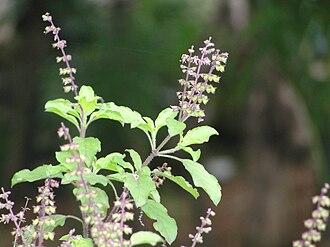
Holy Basil
Mechotech designs and manufactures turnkey leaves oils distillation plants for Holy Basil (Ocimum tenuiflorum / Ocimum sanctum), also known as Tulsi, processing fresh leaves and tender stems into eugenol-rich essential oil and aromatic hydrosol. As a Holy Basil essential oil distillation plant manufacturer, we supply the complete steam-distillation line — leaf handling, distillation vessel, condenser, Florentine oil-water separation, and vacuum polishing — for the pharmaceutical, nutraceutical, food, fragrance, and Ayurvedic industries.
Mechotech's Holy Basil plant is engineered around the real chemistry of Tulsi leaf: gentle steam distillation releases the volatile phenylpropanoids and terpenoids — chiefly eugenol, along with methyl eugenol, caryophyllene and eucalyptol — without degrading heat-sensitive aroma compounds, while a matched Florentine separator recovers both the essential oil and a hydrosol co-product. Built in SS 316L with high-efficiency condensers, PLC-based automation and full batch documentation, each plant is delivered as a commissioned turnkey system to GMP, HACCP and AYUSH-aligned standards, with capacity and automation configured to the customer's requirement.
Technical Specifications
| Product | Holy Basil (Tulsi) Essential Oil Distillation Plant |
|---|---|
| Botanical Name | Ocimum tenuiflorum (syn. Ocimum sanctum) |
| Raw Material | Fresh Holy Basil (Tulsi) leaves and tender stems |
| Plant Part | Leaves and tender stems |
| Extract Type | Steam-distilled essential oil and hydrosol |
| Standardisation | Eugenol-rich profile; batch GC-MS verified against internal reference standard |
| Extraction Method | Steam / hydro-distillation (not solvent extraction) |
| Product-contact Material | SS 304 / SS 316L, hygienic sanitary piping |
| Condensation System | Multi-tube shell-and-tube condensers with chilled-water circulation |
| Separation System | Stainless-steel Florentine oil-water separator |
| Polishing System | Vacuum/anhydrous polishing for residual-moisture removal |
| Automation | Configurable — manual, semi-automatic or fully automatic PLC-SCADA (recipe-based) |
| Plant Capacity | Configured to requirement — pilot to commercial scale |
| Utility Requirements | Steam, chilled/cooling water, compressed air, soft & RO water, power (project-specific) |
| Compliance | GMP, HACCP, AYUSH-aligned hygienic design; full documentation for qualification |
| Final Product Form | Essential oil (liquid) and hydrosol (liquid co-product) |
Plant Capacities
| Plant Scale | Raw Material Throughput | Typical Use |
|---|---|---|
| Pilot | Configured to your feedstock and trial plan | Product development, parameter validation |
| Semi-Commercial | Configured between pilot and commercial scale | Contract manufacturing, scale-up trials |
| Commercial | Configured to raw-material supply and confirmed buyer volume | Commercial production at confirmed buyer volume |
Capacity is configured to raw-material supply and confirmed buyer volume; we recommend a pilot plant to validate process parameters before scaling.
Manufacturing Process
Raw Material Reception & Cleaning
Freshly harvested Holy Basil (Tulsi) leaves and tender stems are inspected, cleaned of soil and foreign matter, and gently handled to minimise bruising before distillation.
Leaf Preparation & Charging
Cleaned leaves are loosely charged into the SS 316L steam distillation vessel, ensuring uniform steam permeation through the bed to maximise oil release.
Steam Distillation
Low-pressure steam passes through the leaf charge, volatilising eugenol, methyl eugenol, caryophyllene, eucalyptol and other characteristic Tulsi aroma compounds.
Condensation
Vapours pass through an efficient multi-tube condenser with chilled-water circulation, condensing the volatile essential oil and hydrosol.
Florentine Oil–Water Separation
Condensate is separated in a stainless-steel Florentine flask; the essential oil is collected while the aromatic hydrosol is drawn off and recovered as a co-product.
Polishing & Drying
The crude oil is polish-filtered and dried over anhydrous sodium sulphate (or by vacuum) to remove residual moisture and trace particulates.
Quality Control
Each batch of Holy Basil oil is verified by GC-MS for eugenol content and by physical parameters (specific gravity, refractive index, optical rotation) before release.
Storage & Packing
Essential oil and hydrosol are filled into light-protected, food/pharma-grade containers under batch-traceable, GMP-controlled conditions ready for dispatch.
Major Plant Equipment
- Leaf washing system
- Raw material feeding system
- Stainless-steel steam distillation vessels
- Steam distribution system
- Shell & tube condensers
- Florentine oil-water separators
- Essential oil filters
- Vacuum/anhydrous oil polishing unit
- Essential oil storage tanks
- Hydrosol storage tanks
- PLC-SCADA automation panel
- Electrical MCC & instrumentation package
- Automatic CIP system
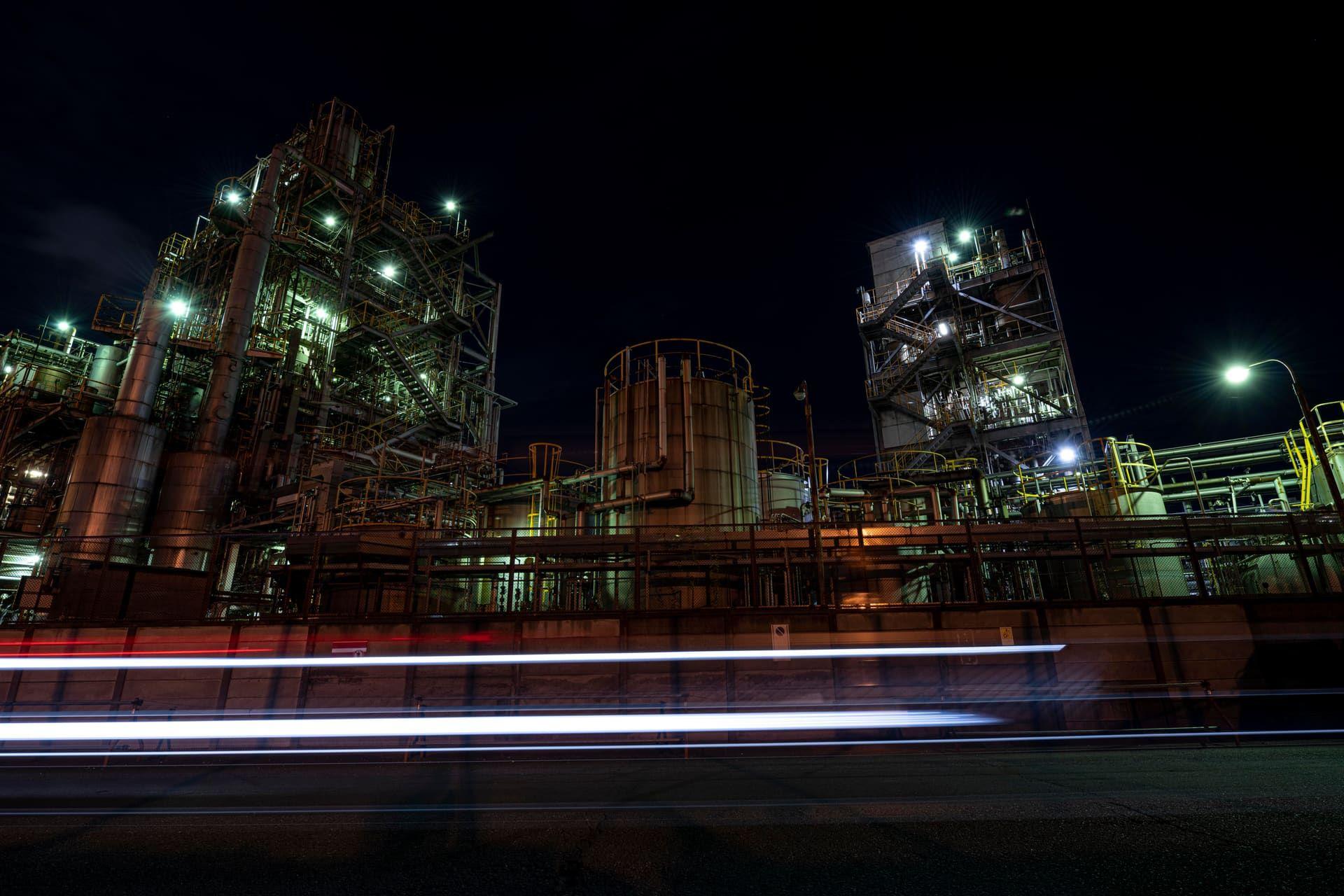
Plant Output
Case Study
Tulsi (Holy Basil) Extraction Plant
See how this plant was engineered and delivered for a real project.
Applications
- Aromatherapy, fragrance, perfumery, and flavour applications
- Pharmaceutical standardised ingredient supply
- Nutraceutical capsule, tablet, and supplement manufacturing
- Food, flavour, and beverage applications
- Cosmetic and personal care active ingredients
- Ayurvedic and traditional medicine preparations
- Export to regulated-market ingredient buyers
Key Features
SS 316L Construction
All product-contact surfaces are SS 316L for corrosion resistance and product purity, with CIP capability between batches.
Efficient Condensation
High-surface-area multi-tube condensers with chilled-water circulation maximise oil recovery and minimise losses of volatile top-notes.
Steam Distillation, Not Solvent Extraction
Holy Basil oil is recovered by steam / hydro-distillation of fresh leaf and tender stems rather than solvent extraction, preserving its eugenol-rich aroma; standardised tulsi extract powder is a separate product line.
Hydrosol Recovery
Integrated separation allows recovery of the aromatic hydrosol as a co-product.
Eugenol-Rich Oil Profile
Gentle steam distillation releases eugenol along with methyl eugenol, caryophyllene and eucalyptol, and each batch is GC-MS verified against an internal reference standard.
Frequently Asked Questions
Does Mechotech supply the complete machinery for Holy Basil?
What specification can the Holy Basil plant achieve?
What production capacities are available for the Holy Basil plant?
Which industries use the Holy Basil plant?
Is Holy Basil oil produced by steam distillation or solvent extraction?
What is the difference between this Holy Basil plant and the Ocimum Sanctum Tulsi Extract plant?
Ready to discuss your project?
Get a free quote and technical consultation from our engineering team.