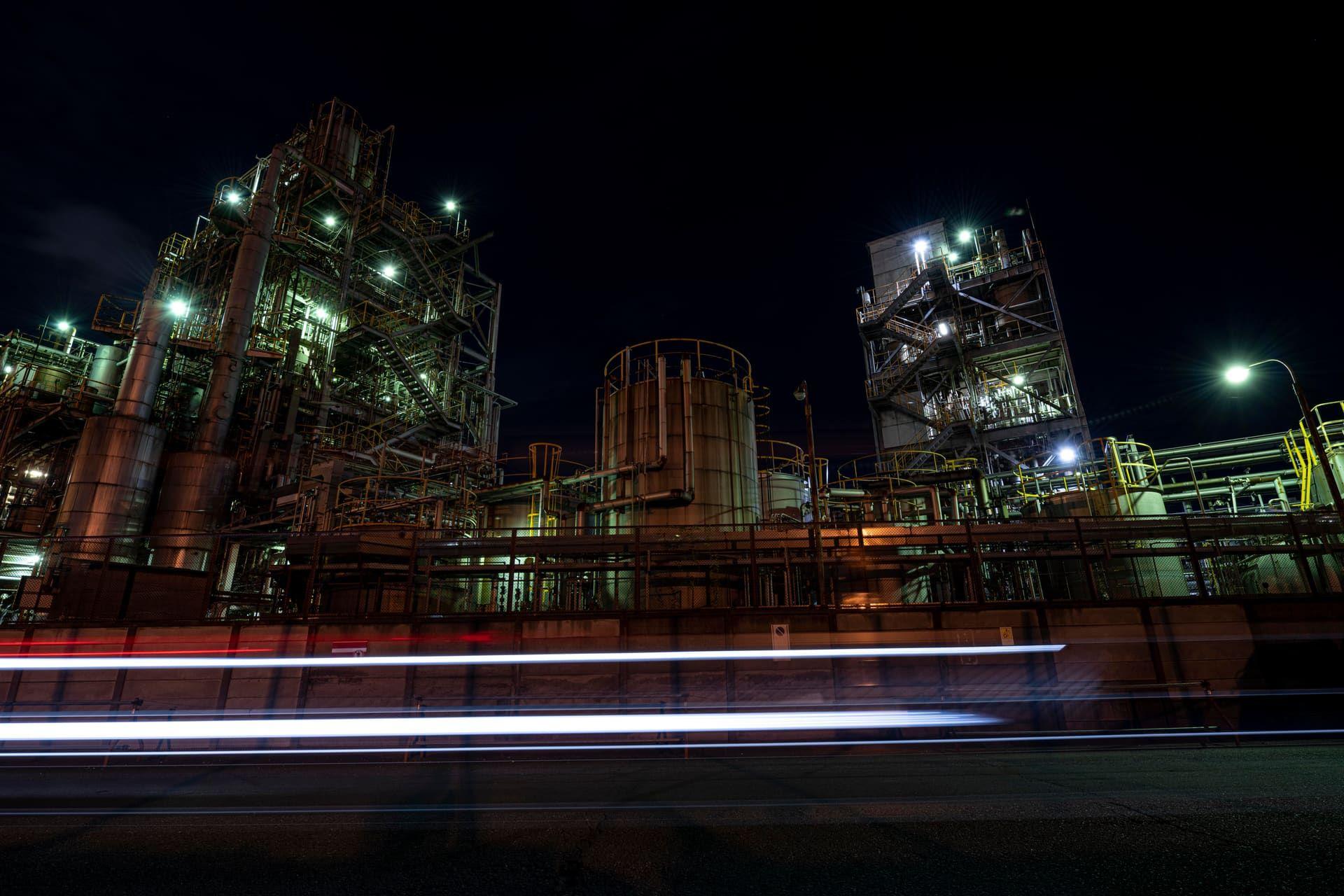
Kava Extract
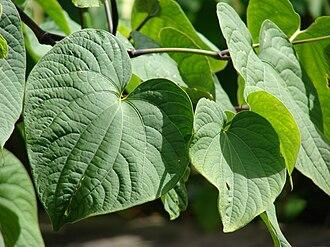
Kava Extract
Purity Levels
5% to 10% Kavalactones by HPLC
Mechotech designs and manufactures turnkey herbal extraction plants for Kava (Piper methysticum) root, standardised to 5% to 10% Kavalactones by HPLC. Kavalactones are the well-documented lactone-class bioactives concentrated in the dried root and rhizome of the kava shrub, and are the established marker compounds behind kava's long-standing relaxation-category nutraceutical use. We supply the complete machinery — root cleaning, milling, hydro-alcoholic extraction, filtration, vacuum concentration, closed-loop solvent recovery, HPLC-verified standardisation and drying — to process kava root into an extract configured to the client’s target specification for the nutraceutical, pharmaceutical, and functional-beverage industries.
Mechotech's Kava Extract plant is engineered around the specific chemistry of kavalactones, a family of alpha-pyrone lactones (including kavain, dihydrokavain, methysticin and yangonin) concentrated in the root and rhizome, which requires a controlled hydro-alcoholic or aqueous-alcoholic solvent system to achieve efficient, consistent recovery without degrading the lactone ring structure. Because different kavalactone congeners contribute differently to the extract's sensory and functional profile, in-process HPLC monitoring tracks the overall kavalactone fraction through concentration and drying so the finished powder holds consistently within specification batch after batch. Because kava is subject to import restrictions or additional documentation requirements in some markets on account of historical liver-safety review, the plant is built with full batch traceability and certificate-of-analysis documentation to support buyers confirming current regulatory status in their target market. Built in SS 316L with electropolished product-contact surfaces, closed-loop solvent recovery, PLC-based automation and full batch documentation, each plant is delivered as a commissioned, turnkey system configured to the declared 5% to 10% Kavalactones by HPLC specification.
Technical Specifications
| Product | Kava Extraction Plant |
|---|---|
| Botanical Name | Piper methysticum |
| Raw Material | Dried Kava root and rhizome |
| Plant Part | Root / rhizome |
| Extract Type | Standardised dry extract (powder) |
| Standardisation | 5% to 10% Kavalactones by HPLC |
| Extraction Method | Hydro-alcoholic solvent extraction (closed, jacketed SS 316L extractors) |
| Product-contact Material | SS 316L, electropolished, CIP-cleanable |
| Filtration System | Plate-and-frame filter press with cartridge polish filtration |
| Concentration System | Falling-film / vacuum evaporator with closed-loop solvent recovery |
| Drying System | Spray dryer or vacuum tray dryer |
| Automation | PLC-SCADA with recipe management, batch traceability and production reporting |
| Plant Capacity | Configured to requirement |
| Utility Requirements | Steam, chilled/cooling water, compressed air, soft water, power (project-specific) |
| Compliance | GMP hygienic design; full documentation for qualification |
| Final Product Form | Free-flowing standardised extract powder |
Plant Capacities
| Plant Scale | Root Throughput | Typical Use |
|---|---|---|
| Pilot | Configured to your feedstock and trial plan | Product development, parameter validation |
| Semi-Commercial | Configured between pilot and commercial scale | Contract manufacturing, scale-up trials |
| Commercial | Configured to raw-material supply and confirmed buyer volume | Export-grade continuous production |
Capacity is configured to raw-material supply and confirmed buyer volume; we recommend a pilot plant to validate kavalactone recovery parameters before scaling.
Manufacturing Process
Root Cleaning & Size Reduction
Dried Kava root and rhizome is cleaned to remove soil, fibrous stem and foreign matter, tested for moisture, and milled to a uniform particle size to maximise solvent contact with the kavalactone-bearing root tissue.
Hydro-Alcoholic Extraction
Milled root is charged into closed, jacketed SS 316L extraction vessels and extracted with a controlled hydro-alcoholic solvent system under regulated temperature and multiple cycles to maximise recovery of the kavalactone fraction.
Solid-Liquid Separation & Filtration
The extract slurry is clarified through a plate-and-frame filter press followed by cartridge polish filters, removing root fibre and starch carried over from the rhizome.
Vacuum Concentration
The filtered miscella is concentrated in a falling-film / vacuum evaporator under reduced pressure and moderated temperature to protect the kavalactone lactone ring structure from thermal degradation.
Solvent Recovery
A closed-loop recovery system condenses, purifies and recycles the recovered solvent back into production, returning it to production and reducing solvent loss.
HPLC Standardisation
The concentrate is assayed by HPLC and adjusted to the declared 5% to 10% Kavalactones specification before drying.
Drying & Quality Control
The standardised extract is spray- or vacuum-tray dried to a free-flowing, low-moisture powder, then released after kavalactone HPLC assay, residual-solvent, heavy-metal, microbial, and moisture testing with full certificate-of-analysis documentation.
Major Plant Equipment
- Raw material cleaning system
- Hammer mill / root mill (size reduction)
- Stainless-steel hydro-alcoholic extraction vessels (jacketed, SS 316L)
- Solvent storage tanks
- Solvent transfer pumps
- Plate-and-frame filter press / pressure leaf filter
- Cartridge polish filters
- Falling-film / vacuum evaporator
- Closed-loop solvent recovery system
- Condensers & vacuum pumps
- Spray dryer / vacuum tray dryer
- CIP (clean-in-place) system
- Storage tanks & finished-product tanks
- PLC-SCADA control panel, electrical MCC & instrumentation
Plant Output
From Plant to Product
Kava Extract
This botanical is also in the product range of Sureka Life Sciences, our sister concern in botanical ingredients.
Applications
- Relaxation-category nutraceutical capsule and tablet manufacturing
- Functional-beverage and ready-to-drink kava formulations
- Pharmaceutical standardised ingredient supply
- Traditional and botanical wellness preparations
- Export to ingredient buyers subject to market-specific regulatory confirmation
Key Features
SS 316L Construction
Electropolished SS 316L product-contact surfaces with CIP operation between batches.
Closed-Loop Solvent Recovery
Integrated condenser-return recovery reuses solvent between batches and reduces solvent loss.
HPLC-Verified Kavalactone Standardisation
In-process and batch-release HPLC assay are used to check the finished extract against its declared 5% to 10% Kavalactones specification, with full certificate-of-analysis documentation for regulatory review.
Moderated-Temperature Processing
Concentration and drying stages are run at controlled temperature to protect the kavalactone alpha-pyrone structure from thermal degradation.
Integrated Drying
A matched spray/vacuum dryer produces a free-flowing, low-moisture powder ready for encapsulation and blending.
Scalable Batch Capacity
Plants are configured to requirement from pilot scale upward, with modular expansion.
Frequently Asked Questions
Does Mechotech supply the complete machinery for Kava Extract?
Why does particle size matter specifically for Kava root milling?
What plant part of Kava is used, and why?
Are there regulatory considerations specific to Kava extract?
What extraction method is used, and how much solvent is recovered?
What production capacities are available for the Kava Extract plant?
Which industries use the Kava Extract plant, and does the plant support GMP qualification?
Can the plant produce different kavalactone chemotypes or grades on the same line?
Ready to discuss your project?
Get a free quote and technical consultation from our engineering team.