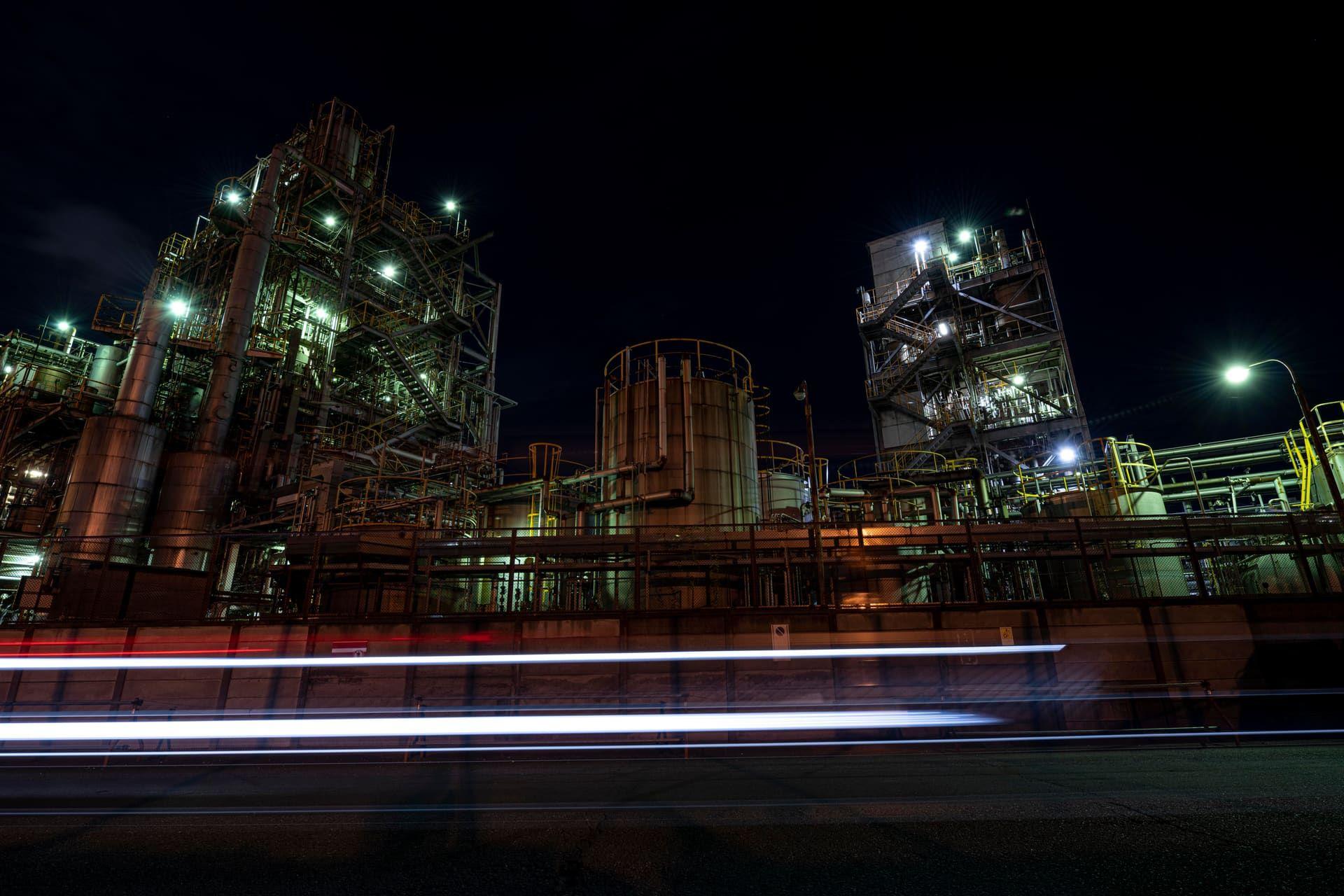
Tomato Pomace Lycopene Extract
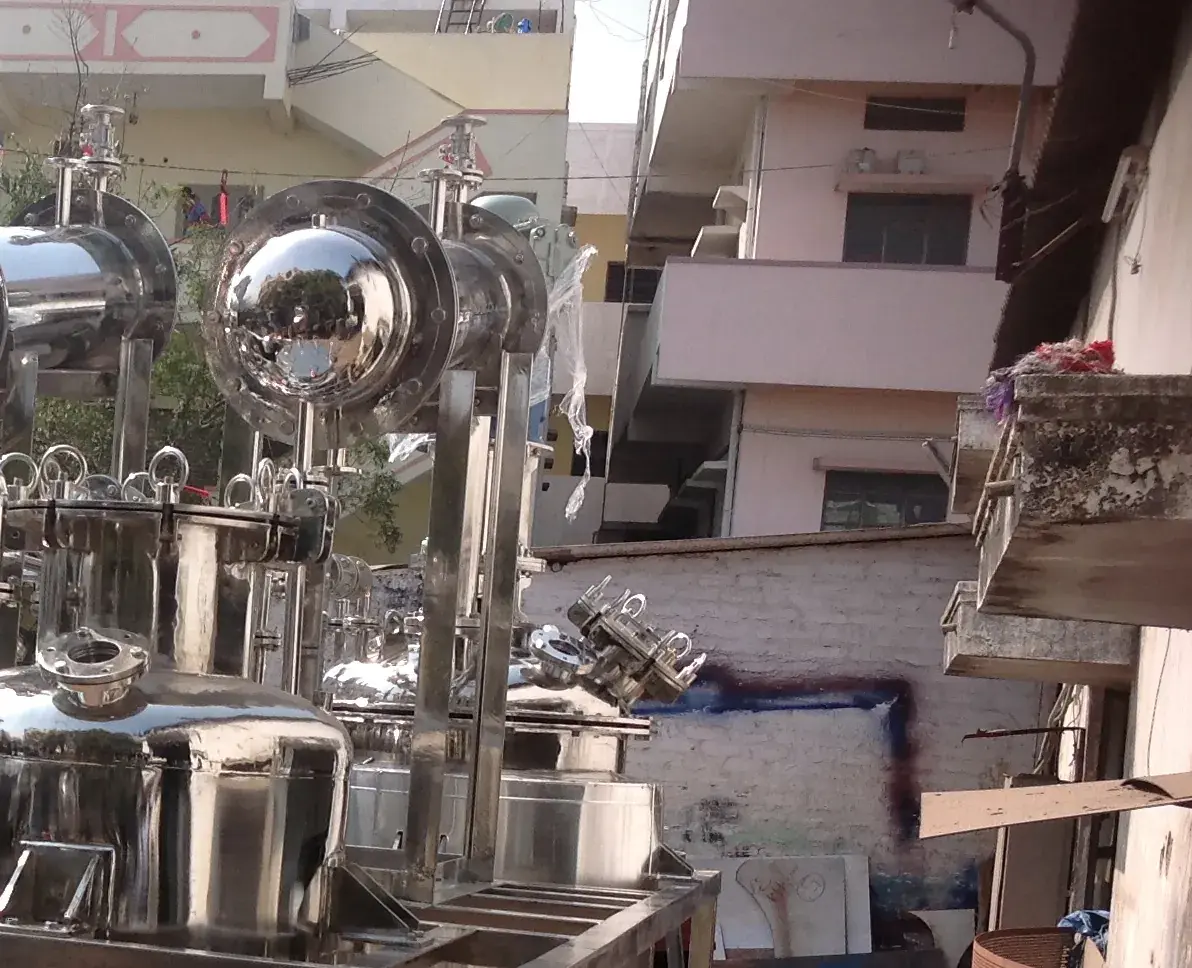
Tomato Pomace Lycopene Extract
Purity Levels
10% Lycopene
Extraction Technologies
Mechotech designs and manufactures turnkey extraction plants for Tomato (Solanum lycopersicum), processing the fruit pulp and skin — where lycopene is naturally concentrated — into a standardised extract at 10% Lycopene. Lycopene is a fat-soluble carotenoid pigment responsible for tomato's red colour, and it is notably heat- and light-sensitive and prone to oxidative and isomeric degradation, which shapes every stage of the process. We supply the complete machinery — pulp/skin preparation, low-temperature solvent or CO2-based extraction, filtration, gentle concentration, closed-loop solvent recovery, standardisation and protected drying — to produce a consistent lycopene extract for the nutraceutical, functional-food, cosmetic and natural food-colour industries. Candidate extraction technologies for lycopene, lycopene oil and pectin: Counter-Current Extraction (CCE), Supercritical CO₂ Extraction (SCFE), Subcritical Water Extraction (SWE), Ultrasound-Assisted Extraction (UAE), Enzyme-Assisted Extraction (EAE), Hybrid Extraction and Microwave-Assisted Extraction (MAE) (7 in total).
Mechotech's Tomato plant is engineered around the specific chemistry of lycopene: an unsaturated, all-trans carotenoid concentrated mainly in the fruit skin and outer pulp (processing tomato pomace and skin fractions are typically far richer in lycopene than the pulp alone), which readily isomerises and oxidises when exposed to heat, light and oxygen. Rather than the aggressive high-temperature extraction suited to more stable actives, the line runs controlled low-temperature solvent extraction (or supercritical CO2 as an oxygen-free alternative), inert-gas blanketing during concentration, and light-protected handling through to drying, so the finished powder holds its 10% Lycopene specification. Built in SS 316L with electropolished product-contact surfaces, PLC-SCADA automation and full batch documentation, each plant is delivered as a commissioned turnkey system.
Technical Specifications
| Product | Tomato Extraction Plant |
|---|---|
| Botanical Name | Solanum lycopersicum |
| Feedstock | Tomato pomace |
| Part / Feed Form | Pomace |
| Target Extract | Lycopene, lycopene oil and pectin |
| Extract Type | Standardised oleoresin or dry extract (powder) |
| Standardisation | 10% Lycopene (assay by spectrophotometry/HPLC) |
| Extraction Method | Counter-current, CO2, SWE, UAE, EAE, Hybrid, MAE |
| Technology Count | 7 |
| Extraction Conditions | Low-temperature solvent extraction or supercritical CO2 extraction (closed, jacketed SS 316L / pressure-rated vessels) |
| Product-contact Material | SS 316L, electropolished, CIP-cleanable |
| Filtration System | Plate-and-frame filter press with cartridge polish filtration |
| Concentration System | Low-temperature falling-film / vacuum evaporator under nitrogen blanketing with closed-loop solvent recovery |
| Drying System | Vacuum tray dryer or spray dryer with light- and oxygen-protected handling |
| Automation | PLC-SCADA with recipe management, batch traceability and production reporting |
| Utility Requirements | Steam, chilled/cooling water, compressed air, soft water, nitrogen, power (project-specific) |
| Compliance | GMP, HACCP, FSSAI hygienic design; full documentation for qualification |
| Final Product Form | Free-flowing standardised extract powder or oleoresin |
Plant Capacities
| Plant Scale | Pomace Throughput | Typical Use |
|---|---|---|
| Pilot | Configured to your feedstock and trial plan | Product development, parameter validation |
| Semi-Commercial | Configured to raw-material supply and buyer volume | Contract manufacturing, scale-up trials |
| Commercial | Configured to raw-material supply and confirmed buyer volume | Commercial production at confirmed buyer volume |
Capacity is configured to raw-material supply and confirmed buyer volume; we recommend a pilot plant to validate process parameters before scaling. No fixed throughput is quoted for this product.
Manufacturing Process
Each extraction method follows a different process — pick a method to see its steps.
Raw-Material Preparation
Tomato pomace is cleaned and size-reduced so lycopene can be reached by the extraction medium; particle size and moisture are set during process development.
Counter-Current Loading
Prepared tomato pomace is fed into a multi-stage solid–liquid counter-current extractor where fresh ethanol/water or a suitable food-grade solvent meets the most-depleted material.
Counter-Current Extraction
Solvent flows against the solids across stages to draw out lycopene; bed flow and fines management are verified during pilot work.
Extract (Miscella) Collection
The lycopene-bearing miscella is collected from the fresh-feed end while spent solids are discharged from the solvent-entry end.
Concentration & Solvent Recovery
Solvent is removed from the clarified lycopene-bearing extract under vacuum and returned through a solvent-recovery loop; recovery performance is confirmed at pilot scale.
Standardisation & Drying
The lycopene extract is assayed against the declared target specification and dried or supplied as a concentrate, according to the requirement.
Raw-Material Conditioning
Tomato pomace is cleaned and conditioned so lycopene oil is accessible to supercritical CO₂; moisture and particle size are set during process development.
Extraction Vessel Loading
Conditioned tomato pomace is charged into the high-pressure extraction vessel.
Supercritical CO₂ Extraction
Supercritical CO₂ passes through the charge and dissolves lycopene oil; an ethanol modifier can be evaluated where polar fractions are also required, and operating pressure and temperature are set in process development.
Separator Collection
Pressure is reduced in separator stages so the extracted lycopene oil drops out of the CO₂ and is collected.
CO₂ Recycle
Gaseous CO₂ is re-liquefied and recirculated to the extractor, limiting make-up gas demand.
Finishing & Packing
The collected lycopene oil is polished by filtration as needed and packed to the required specification.
Raw-Material Preparation
Tomato pomace is cleaned and size-reduced so pectin can be reached by the extraction medium; particle size and moisture are set during process development.
Vessel Loading & Pressurisation
Prepared tomato pomace and water are loaded into a pressure-rated extraction vessel.
Subcritical Water Extraction
Water held liquid under pressure at elevated temperature extracts pectin without an organic solvent; temperature and residence time are set to limit thermal degradation and hydrolysis.
Separation
Spent solids are separated by filtration or centrifugation and the extract is clarified before concentration.
Concentration
The clarified aqueous extract is concentrated under vacuum or by membrane systems where required; no organic solvent is used in this route.
Recovery, Standardisation & Drying
The pectin fraction is recovered from the concentrate by a route selected during process development and checked against the target specification; drying behaviour is verified because polysaccharide-type targets can be heat-sensitive.
Raw-Material Preparation
Tomato pomace is cleaned and size-reduced so lycopene can be reached by the extraction medium; particle size and moisture are set during process development.
Slurrying
Prepared tomato pomace is slurried with ethanol/water or water in the extraction vessel.
Ultrasonic Cavitation
Ultrasound creates cavitation that disrupts the plant matrix and speeds release of lycopene; probe intensity, temperature and filtration behaviour are piloted.
Separation
Spent solids are separated by filtration or centrifugation and the extract is clarified before concentration.
Concentration & Solvent Recovery
Solvent is removed from the clarified lycopene-bearing extract under vacuum and returned through a solvent-recovery loop; recovery performance is confirmed at pilot scale.
Standardisation & Drying
The lycopene extract is assayed against the declared target specification and dried or supplied as a concentrate, according to the requirement.
Raw-Material Preparation
Tomato pomace is cleaned and size-reduced so pectin can be reached by the extraction medium; particle size and moisture are set during process development.
Slurry & pH Control
Prepared tomato pomace is slurried in water with pH and temperature set for the enzyme system.
Enzymatic Treatment
An enzyme (for example a cellulase, pectinase or protease, selected for the tomato pomace matrix) breaks down bound cell-wall material to release pectin; enzyme cost and specificity are validated at pilot scale.
Enzyme Inactivation & Separation
The enzyme is inactivated and spent solids are separated by filtration or centrifugation.
Concentration
The clarified aqueous extract is concentrated under vacuum or by membrane systems where required; no organic solvent is used in this route.
Recovery, Standardisation & Drying
The pectin fraction is recovered from the concentrate by a route selected during process development and checked against the target specification; drying behaviour is verified because polysaccharide-type targets can be heat-sensitive.
Raw-Material Preparation
Tomato pomace is cleaned and size-reduced so lycopene and pectin can be reached by the extraction medium; particle size and moisture are set during process development.
Stage Sequence Selection
A deliberate combined extraction train is used: the sequence of stages is selected for lycopene and pectin in pilot screening and each stage is designed separately.
First Assisted Stage
The first stage releases lycopene and pectin from the prepared feed under controlled conditions set for that stage.
Second / Combined Stage
The second stage completes recovery of lycopene and pectin from the partially extracted material; stage conditions are optimised separately.
Separation & Concentration
Spent solids are removed and the combined extract is clarified and concentrated; solvent is recovered where a solvent is used.
Standardisation & Drying
The lycopene and pectin extract is assayed against the declared target specification and dried or supplied as a concentrate, according to the requirement.
Raw-Material Preparation
Tomato pomace is cleaned and size-reduced so lycopene can be reached by the extraction medium; particle size and moisture are set during process development.
Medium Mixing
Prepared tomato pomace is mixed with ethanol/water or water in the microwave extraction vessel.
Microwave Heating & Extraction
Controlled microwave heating drives lycopene out of the prepared feed in a short cycle; heating, moisture, solvent safety and temperature-sensitive targets are controlled, with limits set during process development and pilot validation.
Separation
Spent solids are separated by filtration or centrifugation and the extract is clarified before concentration.
Concentration & Solvent Recovery
Solvent is removed from the clarified lycopene-bearing extract under vacuum and returned through a solvent-recovery loop; recovery performance is confirmed at pilot scale.
Standardisation & Drying
The lycopene extract is assayed against the declared target specification and dried or supplied as a concentrate, according to the requirement.
Major Plant Equipment
- Raw material reception and washing system
- Pulp/skin screening and seed-removal system
- Stainless-steel jacketed extraction vessels (SS 316L) or supercritical CO2 extraction unit
- Solvent storage tanks
- Solvent transfer pumps
- Plate-and-frame filter press / pressure leaf filter
- Cartridge polish filters
- Nitrogen blanketing system
- Falling-film / low-temperature vacuum evaporator
- Closed-loop solvent recovery system
- Condensers & vacuum pumps
- Vacuum tray dryer / spray dryer (light- and oxygen-protected)
- Standardisation/blending vessel
- CIP (clean-in-place) system
- PLC-SCADA control panel, electrical MCC & instrumentation
Plant Output
Applications
- Nutraceutical capsule, tablet, and softgel supplement manufacturing (antioxidant/prostate-health category)
- Natural food-colour applications (red pigment replacing synthetic dyes)
- Functional food and beverage fortification
- Cosmetic and personal-care antioxidant actives
- Culinary and food-processing colour/flavour ingredient supply
- Export to regulated-market ingredient buyers requiring assay-verified lycopene content
Key Features
GMP Hygienic SS 316L Construction
Electropolished SS 316L product-contact surfaces use GMP hygienic design, with CIP operation between batches.
Low-Temperature, Oxygen-Protected Processing
Extraction, concentration and drying stages run under moderated temperature and nitrogen blanketing throughout, since lycopene's carotenoid structure is highly sensitive to heat-driven isomerisation and oxidative bleaching.
Closed-Loop Solvent Recovery
Integrated recovery returns the majority of solvent per batch for reuse.
Standardised to Specification
In-process and batch-release assay are used to check the finished extract against its declared 10% Lycopene specification.
Inert Packing for Storage Stability
Nitrogen-blanketed, light-protected packing limits post-production carotenoid degradation, helping the finished product hold its declared assay through shipment and storage.
Scalable Batch Capacity
Plants are configured to raw-material supply and confirmed buyer volume, with modular expansion.
Frequently Asked Questions
Does Mechotech supply the complete machinery for Tomato lycopene extraction?
Why is Tomato extraction processed at low temperature?
Which part of the tomato is used for lycopene extraction?
Does it matter if the raw material is fresh pomace or dried skin?
Is solvent recovered during the Tomato extraction process?
What production capacities are available for the Tomato plant?
What is a tomato pomace extraction plant for lycopene, lycopene oil and pectin?
Which plant part or feed form does the tomato pomace plant process?
Which extraction technologies are suitable for tomato pomace?
Why do the candidate technologies target lycopene, lycopene oil and pectin when the specification on this page is 10% lycopene?
How does the tomato pomace extraction process work?
What equipment does the tomato pomace extraction plant include?
Which related Mechotech extraction pages cover the same material or target?
Which industries use Tomato lycopene extract, and does the plant support GMP qualification?
Ready to discuss your project?
Get a free quote and technical consultation from our engineering team.